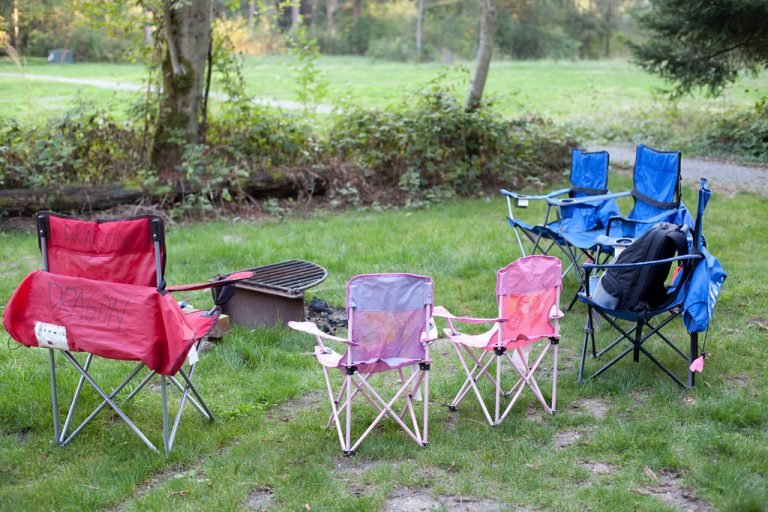

A late afternoon drive in midsummer rarely feels dramatic while it is happening. The road stays wide and predictable, the air conditioner works harder than it should, and the only real decision is when to stop.
But for overlanding trips, especially when temperatures stay high well past sunset, the real shift doesn’t happen on the road. It happens the moment the vehicle slows down and you start looking for a place where heat, wind, and light will not immediately undo any sense of comfort you’re trying to build.
On one recent summer trip along a coastal route, the stop came later than expected. The sun was still hanging low, reflecting off the metal surfaces of the car even after parking. Nothing about the scene felt difficult yet, but it was clear that whatever setup came next would have to deal with lingering heat, not just darkness.
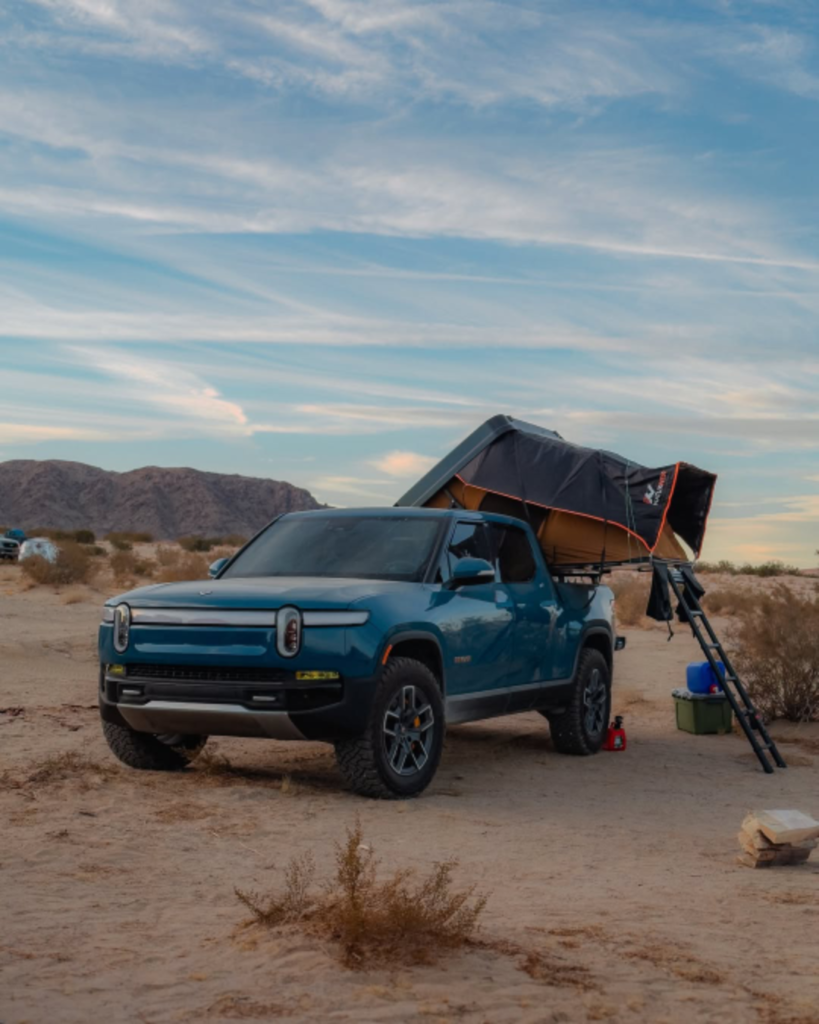
The first thing that happens is not unpacking. It’s stepping out of the vehicle and noticing where shade already exists. It does not have to be ideal shade, just enough to temporarily escape direct sunlight. The ground is still warm, almost holding onto the day. That small detail usually decides where everything else will be placed.
Only after that does the actual camp begin to take shape.
There is a tendency among less experienced campers to think of setup as a checklist: sleeping area, cooking area, storage. But in real summer conditions, especially in overlanding, none of those spaces exist independently. They are all shaped by one thing first—how quickly you can create a livable temperature.
That is why the structure of many camps today starts with elevation and shade working together rather than separately.
A sleeping system raised above the ground changes more than just comfort. It changes timing. The ground cools slowly after sunset, especially in open or coastal areas, and staying directly on it means inheriting that heat longer than expected. Many travelers gradually move toward a more stable sleeping arrangement, something closer to a summer overlanding setup, not because it feels more “adventurous,” but because it simply removes one variable from an already warm environment.
But sleep is only one part of the equation.
The more immediate challenge is everything that happens before night fully arrives. Cooking, changing clothes, organizing gear—these small actions become noticeably slower when there is no shaded transition space between the vehicle and the open air.
In that same trip, the difference became obvious only after a simple adjustment. Instead of working entirely inside the car doors, a shaded area was extended outward, creating a space that was neither fully exposed nor fully enclosed. Once that space existed, everything slowed down in a more natural way.
People stayed outside longer. Gear stayed organized instead of being constantly moved in and out of the vehicle. Even the act of waiting for water to boil felt less rushed.
This kind of transition space is often overlooked, yet it defines whether a campsite feels temporary or livable.
A large part of that effect comes from external shading. Once the sun drops lower, heat doesn’t disappear immediately—it lingers in surfaces, fabrics, and even inside the vehicle itself. Creating separation from that heat becomes more important than simply blocking sunlight during the day.
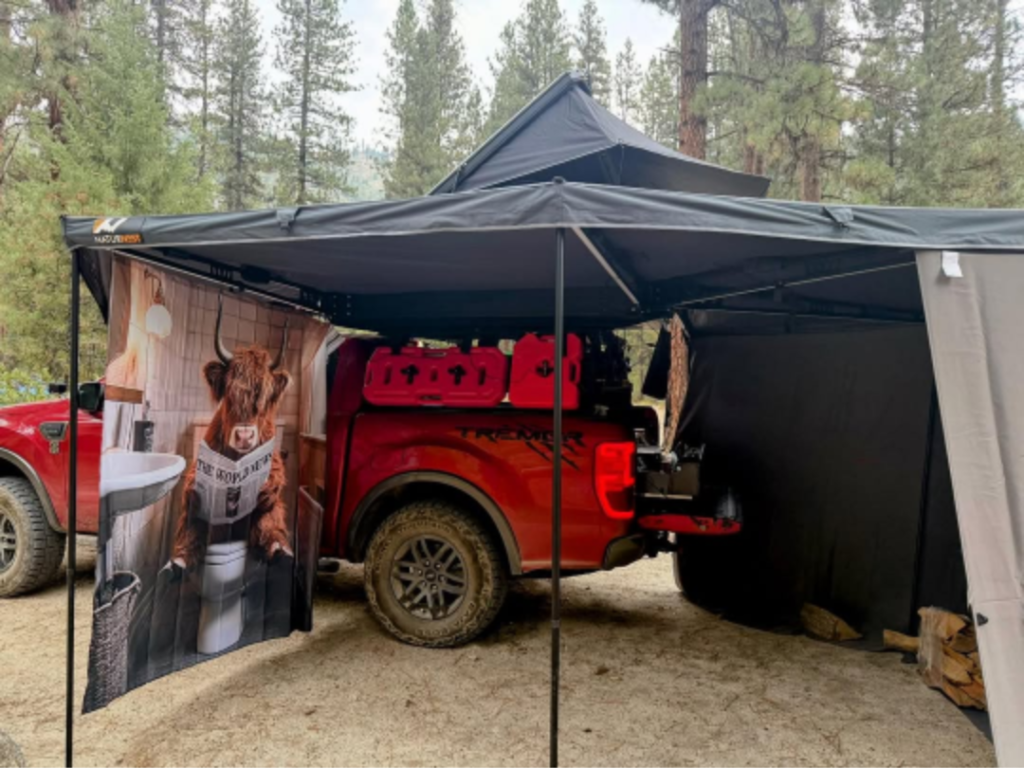
That is where a vehicle awning for camping quietly changes the entire dynamic of a campsite. Once it is set up, the area beside the car stops behaving like open ground and starts functioning like a semi-contained room. Not indoors, not outdoors—something in between that allows movement without constant exposure.
What makes this setup effective is not complexity. In fact, the best versions of it tend to be the simplest. It is the way shade, airflow, and proximity to the vehicle begin to overlap naturally. Cooking happens there, resting happens there, even small conversations tend to happen without planning.
As the evening progresses, the focus shifts again. The sun is gone, but heat remains trapped in materials and surfaces. This is usually when sleep quality is decided, not when the sleeping bag is unrolled.
Inside a rooftop sleeping space, the difference between a well-ventilated setup and a closed, stagnant one becomes very noticeable. Air movement is not just about comfort—it determines how quickly the body can actually settle.
In practice, this is less about equipment and more about layout. Where the vehicle is parked relative to wind direction, how shaded zones are positioned, and how airflow moves through the camp all matter more than any single upgrade.
Over time, experienced overlanders stop describing their setups as collections of gear. They describe them as arrangements. The vehicle is not the center of activity, but the anchor point around which everything else organizes itself.
That shift in thinking is subtle, but it changes how camps are built. Instead of asking what to bring, the question becomes how the space will behave once everything is in place.
On this particular night, after the cooking was done and the light finally disappeared, there was a quiet moment when nothing needed adjusting anymore. The awning held its shape in the still air, and the raised sleeping space felt noticeably cooler than the ground beneath.
Not everything was perfect—no summer setup ever is—but the environment had stopped resisting.
And that is usually the point where a camp stops feeling like something assembled temporarily, and starts feeling like something that can simply hold for a while.
Not permanently. Just long enough to make the heat feel manageable.

Charmaine van Vuuren is a seasoned professional hunter and safari guide turned outdoor gear expert, with over 15 years of experience leading big-game expeditions and wilderness adventures across Southern Africa. That same field-tested expertise now drives every review on TheOutdoorChamp — from hunting gear and survival tools to camping equipment, fishing tackle, and boating accessories. When she recommends a product, it’s because she’s used it in conditions where failure isn’t an option.