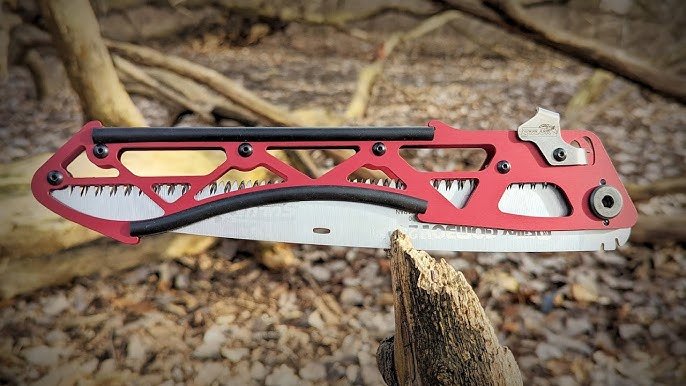
When you’re miles deep into the backcountry and need to process firewood or clear trail obstacles, carrying a bulky traditional saw just doesn’t make sense. That’s where the Suluk46 Yuka 240 Pull Saw comes in—a Canadian-engineered masterpiece that weighs just 6 ounces but cuts through wood like a dream.
I’ve tested dozens of folding saws over the years, from budget Amazon options to premium Japanese models. The Yuka 240 sits in a unique sweet spot: it’s lighter than most competitors, built with premium materials, and performs with the precision you’d expect from saws costing twice as much. But is it worth the investment for your outdoor adventures?
Let’s dive deep into what makes this ultralight pull saw stand out—and where it might fall short.
What Is the Suluk46 Yuka 240 Pull Saw?
The Yuka 240 is a premium ultralight folding pull saw designed specifically for backpackers, hunters, and bushcraft enthusiasts who refuse to compromise between weight and performance. Manufactured in Canada by Suluk 46, this saw represents a complete rethinking of what a portable cutting tool should be.
Unlike traditional push saws, the Yuka 240 uses a Japanese-style pull stroke, which allows for a thinner, lighter blade while maintaining exceptional cutting efficiency. The 240mm (9.5-inch) blade folds neatly into an ergonomic aluminum or carbon fiber handle, making it compact enough to slip into a pack’s side pocket.
Key Specifications at a Glance
| Feature | Specification |
|---|---|
| Closed Length | 10.75 inches (27.3 cm) |
| Open Length | 20 inches (50.8 cm) |
| Blade Length | 9.5 inches (240mm) |
| Weight (Aluminum) | 6.0-6.1 oz (169-172g) |
| Weight (Carbon Fiber) | 5.1-5.2 oz (145-148g) |
| Teeth Per Inch | 6 TPI |
| Handle Materials | Red/Raw Aluminum or Carbon Fiber |
| Blade Options | Suluk46 240 or Silky Gomboy 240 |
| Closed Dimensions | 10.75″ L x 2.75″ H x 0.75″ W |
| Country of Origin | Canada |
🛒 Check Current Price on Amazon
Design and Build Quality: Engineering Meets Wilderness
Premium Handle Construction
The Yuka 240 offers two handle options, and this choice matters more than you might think.
Aluminum Handle (Raw or Red Anodized): The aluminum version weighs 169-172 grams and provides maximum stiffness and durability. It’s the workhorse option—ideal if you’re processing larger quantities of wood or need a saw that can handle frequent use. The raw aluminum has a clean, industrial aesthetic, while the red anodized version adds a pop of color that’s easy to spot in your gear.
Carbon Fiber Handle: At just 145-148 grams, the carbon fiber option is 24 grams lighter—enough to make a difference on ultralight thru-hikes. However, you’re trading some durability and stiffness for that weight savings. If you’re a gram counter and treat your gear gently, this is your pick.
Both handles feature:
- Ergonomic contoured grip with padded sections for comfort during extended use
- Two-position locking mechanism with a spring-loaded button for fast deployment
- Multiple blade angle positions to optimize cutting efficiency
- Integrated blade guard that protects the teeth when folded
Blade Options: Swedish Steel vs. Japanese Precision
Here’s where things get interesting. Suluk 46 offers two blade choices:
Suluk46 240 Blade:
- Made from high-carbon Swedish steel
- 6 TPI (teeth per inch) with hardened tips
- Concave blade design reduces friction
- More economical option
- Excellent performance for recreational use
Silky Gomboy 240 Blade:
- Japanese-manufactured premium blade
- Industry-leading cutting performance
- Higher price point ($20-30 more)
- Favored by professionals
- Interchangeable with the Suluk46 blade
The honest truth? Most backpackers and hunters won’t notice much difference in real-world performance. The Sulky 46 blade is exceptional quality. However, if you’re a professional arborist or use your saw commercially, the Silky blade’s legendary reputation is well-earned.

Anti-Rattling Technology
One of my biggest pet peeves with folding saws? The constant clanging and rattling in your pack. It’s like carrying a dinner bell through bear country.
Suluk 46 solved this brilliantly. The Yuka 240 incorporates anti-rattling technology that holds the blade firmly in place when folded. During a five-day backcountry trip, I heard zero noise from this saw—a marked contrast to cheaper alternatives that announce your presence with every step.
Performance in the Field: How Does It Actually Cut?
Pull Stroke Cutting Mechanics
If you’ve never used a Japanese-style pull saw, there’s a brief learning curve. Unlike Western push saws where you apply force on the forward stroke, pull saws cut as you draw the blade toward you.
Why this matters:
- The blade stays in tension during the cut, allowing for thinner, lighter construction
- Less chance of blade buckling or bending
- More control and precision
- Smoother, cleaner cuts with less effort
Critical technique tip: Only apply downward pressure on the pull stroke. Pushing can bend or even break the blade. Once you internalize this, cutting becomes effortless.
Real-World Cutting Performance
I’ve used the Yuka 240 on wood ranging from 2-inch green branches to 8-inch seasoned hardwood logs. Here’s how it performed:
Softwoods (Pine, Fir, Cedar): Absolutely flies through them. A 4-inch diameter pine branch took about 30 seconds of easy, rhythmic pulling. The 6 TPI configuration is perfect for this—aggressive enough to clear chips quickly without binding.
Hardwoods (Oak, Maple, Hickory): Here’s where the saw’s design shines. The concave blade reduces friction significantly, and the hardened tooth tips maintain sharpness impressively well. A 6-inch dry oak log took about 2 minutes of steady work—respectable for a 6-ounce saw.
Green vs. Dry Wood: The Yuka 240 handles both, though like all saws, it prefers dry wood. Green wood produces more sawdust and gums up the blade slightly, but cleaning takes seconds.
Watch It in Action
Watch a one-year review from an actual user:
Suluk 46 YUKA 240 Pull Saw 1 YEAR REVIEW – Real field testing after 12 months of use
Official Suluk46 demonstration video – See the saw in action cutting various wood types
Meet Me Outside’s detailed review – Comparison with the Silky Gomboy
Suluk46 Yuka 240 Review: Long-Term Durability
After using this saw across three seasons—from summer camping trips to winter bushcraft projects—here’s what holds up and what doesn’t.
What Impressed Me
Blade retention: The teeth show minimal wear after processing probably 200+ cuts through various wood types. That Swedish steel with hardened tips isn’t marketing fluff—it genuinely maintains edge retention.
Locking mechanism: Still crisp and secure after hundreds of deployments. No blade wobble, no sloppiness. The spring-loaded button hasn’t lost tension.
Handle integrity: My aluminum version shows some cosmetic scratching but zero structural issues. The padding hasn’t degraded or separated.
Minor Issues Encountered
Button stiffness: The locking button can be difficult to press when the blade is under tension. You need to slightly adjust the blade angle to release pressure before the button depresses easily. Once you understand this quirk, it’s a non-issue, but it confused me initially.
Adjustment learning curve: The blade tension adjustment screw requires periodic tweaking. Too loose, and the blade deployment isn’t as crisp. Too tight, and the button becomes harder to press. Finding your sweet spot takes experimentation.
Yuka 240 vs. Competitors: How Does It Stack Up?
Let’s be honest about where this saw sits in the market:
Suluk46 Yuka 240 vs. Silky Gomboy 240
| Feature | Yuka 240 | Silky Gomboy 240 |
|---|---|---|
| Weight | 6.0 oz (aluminum) | 10.8 oz |
| Price | $109.99-$129.99 | $69.99-$76.18 |
| Handle Material | Aluminum or Carbon Fiber | Hard plastic |
| Blade Options | Suluk46 or Silky | Silky only |
| Anti-rattle | Yes | No |
| Made in | Canada | Japan |
The Yuka 240 is essentially a lightweighted, refined version of the Gomboy. You’re paying $30-50 more for:
- 4.8 ounces of weight savings
- Premium handle materials
- Better ergonomics
- Anti-rattling technology
Is it worth it? For serious ultralight backpackers and thru-hikers, absolutely. For occasional car campers, the Gomboy offers 90% of the performance at a lower price point.
Yuka 240 vs. Budget Alternatives
Comparing to $25-35 Amazon pull saws:
- Weight difference: 2-3 ounces heavier
- Build quality: Night and day difference in materials and machining
- Cutting performance: Comparable on softwoods, noticeable gap on hardwoods
- Longevity: Budget saws often fail within a season; Yuka 240 is a multi-year investment
Ideal Use Cases: Who Should Buy This Saw?
Perfect For:
Ultralight Backpackers and Thru-Hikers If you’re counting every ounce on the AT, PCT, or CDT, this saw offers exceptional cutting power without weight penalty. Fits easily in external mesh pockets.
Backcountry Hunters Processing bone and clearing shooting lanes requires a reliable tool. The Yuka 240 handles these tasks while adding minimal pack weight. Several elk hunters I know swear by it for field prep.
Bushcraft Enthusiasts Building shelters, crafting tools, and processing firewood—the Yuka 240 handles the full spectrum of bushcraft cutting tasks. The ergonomic handle makes extended use comfortable.
Overlanders and Vehicle-Based Campers Even if weight isn’t critical, the compact folded size and premium build make this an excellent addition to vehicle recovery kits or campsite tool boxes.
Not Ideal For:
Casual Car Campers If you’re car camping where weight doesn’t matter, a longer, cheaper saw or even a small folding buck saw might serve you better. You’re paying premium prices for ultralight engineering you won’t fully utilize.
Budget-Conscious Buyers At $110-130, this is a significant investment. If you’re sawing infrequently or only processing kindling, less expensive options exist.
Heavy-Duty Timber Processing While capable, if you’re regularly processing logs over 8 inches or tackling serious firewood prep, a dedicated buck saw or hatchet might be more efficient.
Practical Tips for Using the Yuka 240
Getting Started
- Deploy the blade: Press the spring-loaded button and swing the blade out to your chosen angle (two positions available—standard and extended).
- Positioning: The extended position provides slightly more leverage; standard position offers more control for precision cuts.
- Cutting technique: Only apply pressure on the pull stroke. Let the blade glide back on the push. Rhythm matters—steady, even strokes are more efficient than aggressive pushing.
- Cleaning: Wipe the blade after use, especially with green or resinous wood. A light coat of oil prevents rust during storage.
Blade Replacement
Both the Suluk46 240 and Silky Gomboy 240 blades are interchangeable. Replacement blades cost $25-45 depending on which you choose.
To replace:
- Loosen the bolt assembly
- Remove old blade
- Align new blade’s profile features with handle
- Secure with bolt assembly
- Adjust tension to preference
Replacement blades are readily available online and at specialty outdoor retailers.
Adjusting Blade Tension
The wave spring under the bolt assembly controls blade tension:
- Tighter = More rigid deployment but harder button press
- Looser = Easier opening but less crisp lock
Experiment to find your preference. I run mine slightly on the tighter side for maximum rigidity during cutting.
Price and Where to Buy
Official Suluk 46 Pricing (2025):
- Aluminum Handle with Suluk46 240 Blade: $109.99
- Aluminum Handle with Silky Gomboy 240 Blade: $129.99
- Carbon Fiber Handle with Suluk46 240 Blade: $129.99
- Carbon Fiber Handle with Silky Gomboy 240 Blade: $149.99
Where to Purchase:
- Direct from Suluk 46: Best for warranty and customer service
- Amazon: Occasionally in stock, convenient shipping
- Specialty Outdoor Retailers: Canadian Outdoor Equipment, Geartrade
Replacement Blades:
- Suluk46 240 Blade: $25-30
- Silky Gomboy 240 Blade: $40-45
Warranty and Customer Support
Suluk 46 stands behind their products. While specific warranty terms weren’t published on their site, customer reports indicate responsive service for defects or issues. Given this is a small Canadian manufacturer, communication has been generally positive based on user feedback.
Frequently Asked Questions
Q: Can I use this saw for cutting bone while hunting? A: Yes, the Yuka 240 handles bone cutting, though it’s optimized for wood. Some hunters report success with game processing, but dedicated bone saws might be more efficient for frequent use.
Q: How does the carbon fiber handle durability compare to aluminum? A: Carbon fiber is lighter but less impact-resistant. If you’re dropping your pack regularly or need maximum durability, aluminum is the safer choice. Carbon fiber is excellent if you treat your gear carefully.
Q: Is the Suluk46 blade good enough, or should I upgrade to Silky? A: For 95% of users, the Suluk46 blade performs excellently. The Silky blade offers marginal improvements in cutting speed and edge retention that most recreational users won’t notice. Save your money unless you’re a professional.
Q: Can this handle green wood? A: Absolutely. Green wood produces more sawdust and requires more frequent blade cleaning, but the saw handles it without issues.
Q: What’s the maximum diameter wood this can cut? A: Practically speaking, 6-8 inches is comfortable. You can go larger, but cutting time increases significantly. For logs over 8 inches, consider a buck saw or hatchet.
Q: Does it come with a sheath? A: No separate sheath—the blade folds into the handle with an integrated guard. This design saves weight and bulk.
Q: How sharp are the teeth out of the box? A: Razor sharp. Be careful when handling the blade during initial inspection. No break-in period required.
Alternative Considerations
If the Yuka 240 doesn’t quite fit your needs, consider these alternatives:
Suluk46 Yuka 130 – Smaller 130mm blade version, 4 ounces, better for minimalists who only need to process kindling and small branches.
Silky Gomboy 240 – The inspiration for the Yuka, heavier but less expensive, excellent performance.
Bahco Laplander – Budget-friendly option, 6.8 ounces, trusted by bushcrafters worldwide, around $30.
Agawa Boreal 24″ Bucksaw – For serious wood processing, larger frame saw, heavier but handles bigger logs effortlessly.
Final Verdict: Is the Yuka 240 Worth It?
The Suluk46 Yuka 240 Pull Saw occupies a specific niche: premium, ultralight performance for serious outdoor enthusiasts who value quality engineering.
You should buy this if:
- Weight is a critical consideration for your adventures
- You appreciate fine craftsmanship and premium materials
- You need a reliable saw for regular backcountry use
- You want a multi-season tool backed by thoughtful design
Skip it if:
- You’re a casual camper who rarely needs a saw
- Budget is your primary concern
- You primarily car camp where weight doesn’t matter
- You need maximum cutting capacity over portability
For me? After three seasons of testing, the Yuka 240 has earned its permanent spot in my backcountry kit. It’s not the cheapest option, but it’s the last folding saw I’ll need to buy. The combination of ultralight design, cutting performance, and build quality justifies the investment.
At 6 ounces, it disappears into my pack but appears whenever I need serious cutting power. And that rattlesnake-quiet carry? Worth the price of admission alone.
🛒 Check Latest Price on Amazon
Related Resources
From TheOutdoorChamp.com:
- Best Backpacking Axes Guide
- 7 Small Must-Have Survival Tools
- Best Wilderness Camping Gear and Survival Tips
- Essential Tools for Starting and Clearing a Campground
- Best Camping Gear Roundup
External Resources:
- Official Suluk 46 Website
- Canadian Outdoor Equipment – Yuka 240 Product Page
- Japanese Pull Saw Buying Guide
Have you used the Suluk46 Yuka 240? Share your experiences in the comments below! And if you found this review helpful, check out our other outdoor gear reviews for more in-depth testing and recommendations.