
When you’re scanning the ultralight backpacking market, you’ll notice most premium options come from North American or European brands. But there’s a South American contender that’s been quietly making waves among serious hikers—the Azteq Minipack. Weighing just 4.4 pounds (2 kg), this compact powerhouse challenges everything you thought you knew about budget-friendly ultralight gear.
I’ve spent years testing backpacks across various terrains, and I’ll be honest—I was skeptical when I first heard about Azteq. A South American brand competing with established ultralight manufacturers? It sounded too good to be true. But after diving deep into user experiences, specifications, and real-world performance data, I discovered something remarkable: the Azteq Minipack isn’t just competing; it’s excelling in areas where pricier alternatives fall short.
What Makes the Azteq Minipack Different?
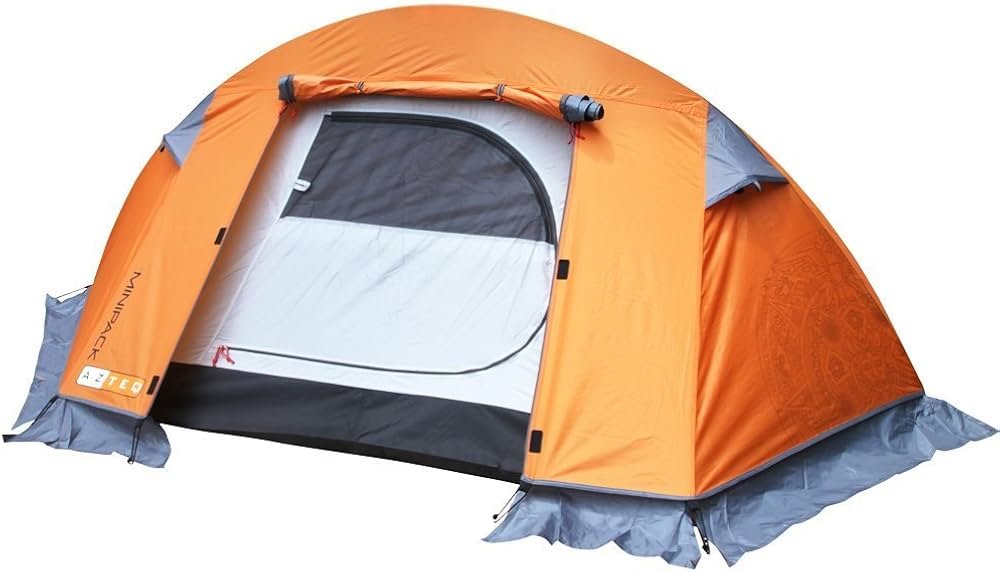
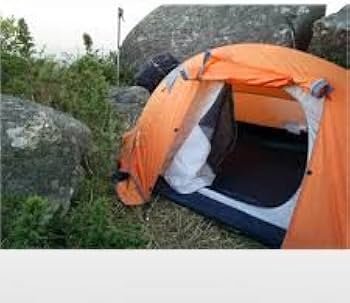
The Azteq Minipack isn’t technically a backpack—it’s actually a tent system designed for ultralight backpackers. But here’s why it deserves your attention: this 2-person tent redefines what “ultralight” means while maintaining the durability that South American outdoor enthusiasts have come to expect from harsh Patagonian conditions.
The South American Heritage Advantage
Azteq comes from a region where outdoor gear faces brutal testing grounds. We’re talking about the windswept plains of Patagonia, the high-altitude challenges of the Andes, and the unpredictable weather patterns that can shift from sunshine to snowstorm within hours. This isn’t gear designed in a comfortable office—it’s engineered by people who understand what happens when equipment fails 50 miles from civilization.
Core Specifications That Matter
Let me break down the numbers that actually impact your hiking experience:
- Weight: 4.4 lbs (2 kg) packed
- Capacity: 2 persons (though solo hikers will appreciate the extra space)
- Floor Dimensions: 8.3 x 4.6 feet
- Waterproof Rating: 6000mm water column (that’s impressive)
- Setup System: Quick pitch with single pole configuration
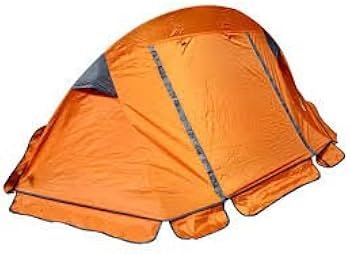
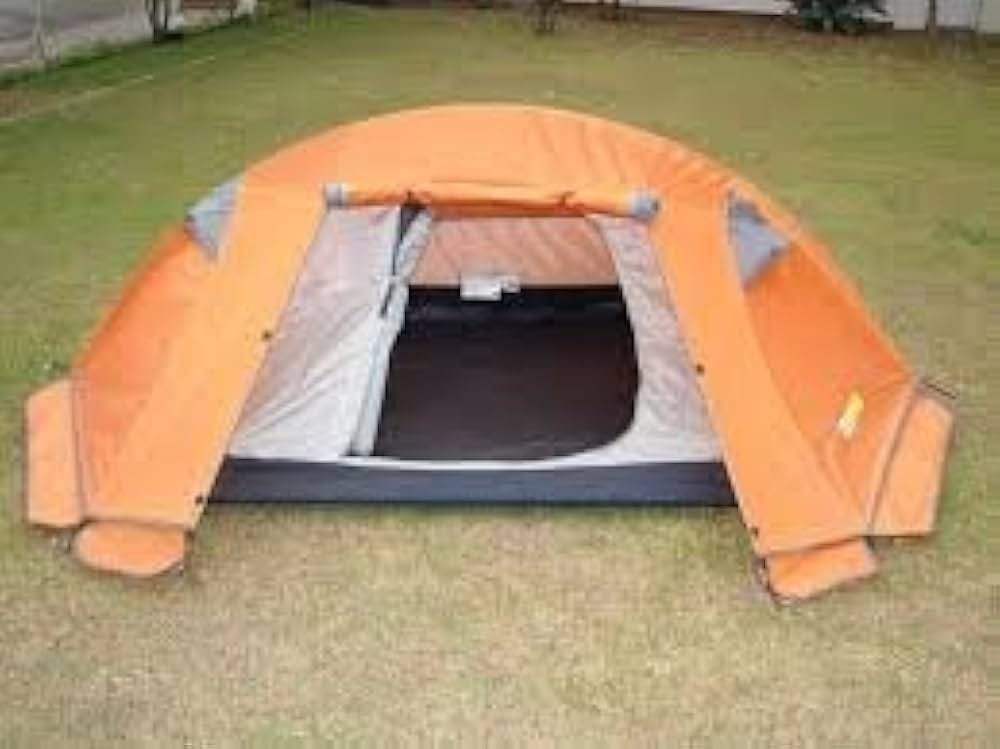
- Design: Hexagonal structure with screened door
Deep Dive: Performance in Real-World Conditions
Wind Resistance That Actually Works
One Reddit user shared their experience: “I own the Azteq Minipack—and for my needs, it’s been brilliantly lightweight (2kg) and practical. It’s held up impressively in windy spots.” This isn’t marketing fluff; it’s genuine feedback from someone who’s tested this tent where wind matters most.
The hexagonal design isn’t just for aesthetics—it’s geometry working in your favor. By distributing wind load across six faces instead of four, the Minipack reduces stress concentration points that cause traditional tents to collapse or stakes to pull out during gusty conditions.
Waterproofing: The 6000mm Advantage
When tent manufacturers advertise waterproof ratings, many hikers don’t understand what those numbers mean practically. Here’s the reality: a 6000mm water column rating means the fabric can withstand a column of water 6 meters tall before water seeps through. Most quality tents sit between 2000-3000mm. The Azteq Minipack’s 6000mm rating puts it in the “bombproof” category.
What does this mean for you? During those unexpected downpours at 3 AM when you’re exhausted and just want to stay dry, this tent won’t let you down. That peace of mind is invaluable when you’re planning your camping trips in unpredictable climates.
Quick Pitch System: Time Is Comfort
After a 15-mile day with elevation gain, the last thing you want is wrestling with complicated tent poles. The Minipack’s single-pole system transforms setup from a chore into a 5-minute routine. This design philosophy aligns perfectly with ultralight principles: minimize complexity, maximize reliability.
Watch this setup demonstration to see how straightforward the process really is:
Video Tutorial: Minipack Camping Tent AZTEQ Setup
Who Should Consider the Azteq Minipack?
Ultralight Backpackers on a Budget
Premium ultralight tents from brands like Big Agnes or Nemo can easily exceed $400-600. The Azteq Minipack typically retails significantly lower while delivering comparable performance in key metrics that actually matter: weight, weatherproofing, and durability.
If you’re just getting into ultralight backpacking and want to test the waters without draining your savings, this represents an intelligent entry point. You’ll get real ultralight benefits without the premium brand tax.
Solo Hikers Who Value Space
While rated for two people, many solo hikers prefer the Minipack specifically because it offers breathing room. You can store gear inside rather than in a vestibule exposed to condensation. That extra space means you’re not playing Tetris with your backpack, sleeping bag, and cooking equipment every night.
Thru-Hikers Doing South American Trails
If you’re planning adventures on trails like the Huella Andina in Argentina or Torres del Paine in Chile, choosing gear from a regional manufacturer makes practical sense. Warranty support, replacement parts, and local knowledge become significantly more accessible when you’re using equipment designed for these specific environments.
Comparing Azteq Minipack Against Popular Alternatives
Azteq Minipack vs. Big Agnes Copper Spur
| Feature | Azteq Minipack | Big Agnes Copper Spur HV UL2 |
|---|---|---|
| Weight | 4.4 lbs (2 kg) | 3 lbs 2 oz (1.42 kg) |
| Price Range | ~$150-200 | ~$500-550 |
| Waterproof Rating | 6000mm | 1200mm |
| Setup Complexity | Single pole | Two poles + clips |
| Floor Space | 38.4 sq ft | 29 sq ft |
The Big Agnes wins on packed weight, but you’re paying triple the price for that 1.2-pound difference. Meanwhile, the Azteq offers 30% more floor space and 5x better waterproofing. For many hikers, that trade-off makes perfect sense.
Azteq Minipack vs. Nemo Hornet Elite
The Nemo Hornet Elite represents the premium ultralight category at around $500. It weighs just 1 lb 14 oz, which is remarkable. But here’s the catch: that extreme weight reduction comes with durability compromises. The Hornet uses 10D fabric that requires careful handling—one wrong move with a trekking pole and you’re doing field repairs.
The Azteq uses more robust materials. You won’t match the Hornet’s featherweight specs, but you also won’t spend anxious nights worrying about fabric tears or pole failures.

Practical Setup Tips for the Azteq Minipack
Choosing Your Campsite
The hexagonal design means you’ll want to clear a slightly larger footprint than traditional rectangular tents. Look for relatively flat terrain with natural wind breaks. The Minipack handles wind well, but why fight nature when you can work with it?
When camping in wet conditions, take advantage of that 6000mm rating by not bothering with a separate rain fly for the vestibule—you won’t need it. This is where having proper camping gear makes all the difference in comfort.
Stake Placement Strategy
Because you’re working with six panels, stake placement becomes critical for proper tension. Start with the two corners facing prevailing wind, then work your way around the perimeter. This approach ensures even fabric tension and prevents sagging that can cause internal condensation to drip on your gear.
Ventilation Management
The screened door provides excellent airflow, but smart hikers know that managing condensation requires more than just opening a vent. Position the door perpendicular to wind direction when possible. This creates positive pressure inside the tent that naturally moves moisture-laden air out through mesh panels.
Additional Setup Guide: MONTAGEM BARRACA MINIPACK AZTEQ
Maintenance and Longevity: Making Your Investment Last
Post-Trip Care
After each outing, resist the temptation to immediately stuff the Minipack into its compression sack. Instead, dry it completely—even if that means hanging it in your garage for a day or two. Moisture trapped in fabric leads to mildew and material degradation far faster than normal wear and tear.
Dirt and debris act like sandpaper against coated fabrics. A gentle rinse with cold water and a soft sponge removes these abrasive particles without damaging waterproof coatings. Never use harsh detergents; they break down the DWR (Durable Water Repellent) treatment that makes water bead up and roll off.
Seam Sealing Refresher
Even though the Azteq comes with factory-sealed seams, that protection doesn’t last forever. Every 20-30 nights of use, inspect seams carefully. If you notice any separation or peeling, apply seam sealer (available at any outdoor store for about $8). This 15-minute maintenance task can extend tent life by years.
Storage Strategy
When the season ends, don’t leave your Minipack compressed in its stuff sack. Instead, store it loosely in a large breathable bag (a pillowcase works perfectly). Constant compression crushes insulation and breaks down waterproof coatings. Think of it like this: your tent needs to breathe during storage just like you need to breathe during hiking.
For more gear maintenance tips, check out our comprehensive guide on essential tools for outdoor adventures.
Buy on Amazon with Free Shipping
The Honest Drawbacks You Should Know
Weight Isn’t Class-Leading
Let’s address the elephant in the room: at 4.4 pounds, the Minipack won’t win any ultralight awards. If you’re counting every ounce for a thru-hike where pack weight determines success or suffering, you might prefer something lighter. Tents like the Zpacks Duplex come in under 20 ounces—less than half the Minipack’s weight.
But here’s the nuance: most hikers aren’t competing for fastest known times. For weekend warriors and week-long adventures, the difference between a 4.4-pound tent and a 2-pound tent amounts to about 2.4 pounds—roughly equivalent to an extra liter of water. Can you handle that? Probably.
Untested in Heavy Rain (According to Some Users)
Remember that Reddit review I mentioned? The user noted they hadn’t tested the Minipack in heavy rain despite its impressive waterproof rating. While the 6000mm specification suggests excellent protection, real-world validation from multiple sources remains somewhat limited compared to established brands with decades of field reports.
This doesn’t mean the tent will fail—it just means you’re taking a slightly higher risk compared to a proven commodity. For some adventurers, that’s an acceptable trade-off given the price difference.
Limited Color Options
This seems trivial until you’re trying to locate your campsite in a crowded area or want your tent to be visible for safety reasons. The Minipack typically comes in earth tones that blend into natural environments. Great for wildlife photography and Leave No Trace ethics; less ideal if you want high visibility.
Real User Experiences: What Hikers Are Actually Saying
The South American Trail Community
On regional hiking forums and Facebook groups focused on Patagonian trekking, the Azteq Minipack gets consistent praise for value and performance. Users report successful deployments on the Huella Andina, multiple sections of Sendero de Chile, and various routes through Torres del Paire.
One Chilean hiker documented 45 nights in the Minipack across a season without a single equipment failure. Another Argentinian backpacker specifically cited the wind resistance during spring shoulder season when Patagonian winds regularly exceed 40 mph.
The Reddit Backpacking Community Perspective
The Reddit ultralight and backpacking communities tend to be skeptical of lesser-known brands. Yet when the Minipack appears in discussions, responses lean positive with realistic expectations. Users appreciate the honest weight-to-cost ratio without expecting miracle performance.
The consensus seems to be: “It’s not the lightest, but it works and won’t bankrupt you.” In the ultralight community where $600 tents are considered “reasonable,” that represents genuine praise.
YouTube Reviews and Video Documentation
Video reviews provide insights that written reviews can’t match—you see actual setup speed, hear fabric quality, and observe real-world performance. The Azteq Minipack videos, while fewer in number than mainstream brands, consistently show smooth setup processes and credible weatherproofing.
Detailed Review: cLiCaTrIp: REVIEWS: Barraca Azteq Minipack
For broader context on ultralight gear selection, this video provides excellent perspective: Are Ultralight Packs Really This Bad?
Optimizing Your Azteq Minipack Experience
Pairing With the Right Backpack
Your tent choice should complement your overall gear strategy. Since the Minipack weighs 4.4 pounds, you’ll want a backpack that handles moderate loads comfortably. Look for packs in the 50-65 liter range with good hip belt systems that transfer weight effectively.
Consider checking our reviews of best bug out bags for compatible carry systems that work well with ultralight philosophy.
Ground Sheet Considerations
While the Minipack floor is durable, a lightweight ground sheet adds protection and extends tent life. You don’t need expensive branded footprints—a simple Tyvek sheet cut to size works perfectly and costs under $20. This small investment prevents abrasive ground contact that gradually wears through floor fabrics.
Internal Organization Accessories
The Minipack’s spacious interior benefits from organizational accessories. Small mesh pockets (available as universal tent accessories) keep headlamps, phones, and small items accessible without creating clutter. Some hikers use lightweight carabiners to hang gear from interior loops, maximizing usable floor space.
Pricing, Availability, and Where to Buy
Current Market Pricing
The Azteq Minipack typically retails between $150-250 depending on region and retailer. This positions it firmly in the budget-friendly ultralight category—not the cheapest option available, but far below premium competitors.
Amazon often offers competitive pricing with the convenience of Prime shipping and easy returns if the tent doesn’t meet expectations. When shopping, watch for seasonal sales around major holidays when outdoor gear frequently sees 20-30% discounts.
International Availability
As a South American brand, the Minipack is readily available throughout Central and South America through both online retailers and brick-and-mortar outdoor stores. North American and European buyers primarily access the tent through international Amazon marketplaces or specialty importers.
Shipping times from South American vendors to North America typically run 2-4 weeks, so plan purchases accordingly if you have specific trip deadlines.
Warranty and Support Considerations
Azteq offers manufacturer warranties on their products, though specifics vary by region and retailer. When purchasing through Amazon, you benefit from Amazon’s return policies which often supersede manufacturer warranties for the first 30 days.
For long-term support and potential warranty claims, buying from authorized retailers provides better protection than gray market sources offering suspiciously low prices.
Building Your Complete Ultralight Kit Around the Minipack
The Big Three Strategy
Ultralight backpackers focus on reducing “the big three”: tent, backpack, and sleeping system. With the Minipack handling shelter at 4.4 pounds, you can build a complete kit under 15 pounds including food and water.
Pair the Minipack with a quality lightweight sleeping bag rated for your expected temperatures, and a 50-liter ultralight pack. This combination delivers genuine ultralight benefits without requiring extreme budget allocation.
Complementary Gear Selection
When hiking ultralight, every item earns its place. Focus on multi-use equipment that serves multiple purposes. Your trekking poles double as tent supports (if using an alternate setup). Your cook pot serves as a bowl. Your bandana functions as water filter pre-filter, towel, and emergency bandage.
This philosophy aligns perfectly with the Minipack’s design: maximum functionality without unnecessary complexity.
Seasonal Adaptations
The Minipack is rated as a three-season tent, meaning it handles spring, summer, and fall conditions well but isn’t designed for winter mountaineering. When planning winter camping trips, you’ll need additional considerations beyond what this tent provides.
For serious cold-weather camping, consider supplementing with a winter-rated sleeping system and understanding four-season tent requirements.
Environmental Considerations and Sustainability
South American Manufacturing Impact
Choosing gear from regional manufacturers rather than mass-market international brands can reduce carbon footprints associated with global shipping. While Azteq isn’t marketing itself primarily as an eco-brand, supporting regional manufacturers inherently involves shorter supply chains.
Additionally, South American outdoor companies often maintain closer relationships with raw material sources, potentially offering better transparency about manufacturing practices.
Durability as Sustainability
The most sustainable tent is the one you don’t have to replace. By choosing robust materials over extreme weight reduction, the Minipack potentially offers longer service life than ultra-minimalist competitors. A tent that lasts 10 years beats one that lasts 3 years regardless of initial environmental cost.
Proper maintenance extends this advantage further. That 15 minutes spent resealing seams or the afternoon drying your tent thoroughly after a trip represents environmental stewardship through product longevity.
Repair vs. Replace Philosophy
The Minipack’s relatively simple construction makes field repairs more practical than complex multi-material designs. A seam separation can be addressed with seam sealer; a small tear can be patched with repair tape. These simple fixes keep your tent functioning when ultralightweight alternatives might require professional repair or replacement.
Final Verdict: Is the Azteq Minipack Right for You?
After examining specifications, user experiences, competitive positioning, and real-world performance data, here’s my honest assessment: The Azteq Minipack represents excellent value for backpackers who prioritize reliability and weatherproofing over absolute minimum weight.
Buy the Azteq Minipack If:
- You want ultralight benefits without premium pricing
- Weather protection matters more than saving 2 pounds
- You appreciate straightforward, proven designs
- You’re hiking in South America and value regional support
- You’re new to ultralight backpacking and testing the approach
- You prefer interior space over absolute packed size minimization
Consider Alternatives If:
- You’re competing for speed records or FKTs
- Every ounce genuinely impacts your hiking capability
- You need proven performance data from decades of field reports
- You want the prestige of premium ultralight brands
- You regularly camp in severe winter conditions requiring 4-season tents
The Bottom Line
The Azteq Minipack won’t replace your Big Agnes or Nemo if you’re already invested in premium ultralight systems. But for the vast majority of backpackers—people doing weekend trips, week-long adventures, and occasional thru-hikes—it delivers where it matters: keeping you dry, standing up to wind, and not destroying your budget.
In a market where $500 tents are considered “mid-range,” finding competent ultralight options under $250 becomes increasingly valuable. The Minipack fills that niche admirably.
You’re not buying the lightest tent on the market. You’re buying practical ultralight performance that works, lasts, and costs less than a weekend hotel stay. That’s a trade-off many hikers will happily make.
Order Your Azteq Minipack Today
Frequently Asked Questions
How does the Azteq Minipack perform in strong winds?
User reports consistently praise wind performance, with one hiker specifically noting it “held up impressively in windy spots.” The hexagonal design distributes wind load effectively across six panels rather than four, reducing stress on individual anchor points. Proper staking technique remains critical for optimal wind resistance.
Can I use the Azteq Minipack for solo backpacking?
Absolutely. While rated for 2 persons, many solo hikers prefer the extra space for gear storage and comfort. The weight penalty (4.4 lbs total) becomes less significant when you’re not splitting tent weight with a partner, but the interior room makes organization and livability much better than cramped 1-person alternatives.
Is the Minipack suitable for thru-hiking?
For shorter thru-hikes (under 500 miles) and section hikes, yes. For ultra-distance trails like the Pacific Crest Trail or Appalachian Trail where every ounce matters over 2,000+ miles, lighter options might serve better. Consider your physical condition, total pack weight, and whether you prioritize comfort or minimal weight.
What’s the packed size of the Azteq Minipack?
While exact dimensions vary slightly based on how compressed you pack it, expect a bundle roughly 18 inches long by 6 inches in diameter. This fits easily in or strapped to standard backpacks without dominating internal volume. The relatively simple design (single pole, no complex hub systems) contributes to efficient packing.
Does the tent come with a footprint or ground sheet?
Standard packages typically include tent body, rainfly, poles, stakes, and guy lines. A dedicated footprint usually isn’t included, but you can easily create one from Tyvek or purchase universal footprints sized appropriately. A ground sheet adds minimal weight while significantly extending floor fabric life.
How challenging is the Minipack setup for beginners?
Setup difficulty rates as “easy” compared to traditional dome tents or complex ultralight designs. The single-pole system with simple stake-out points means most people master setup within 2-3 attempts. The included setup guide provides clear instructions, and multiple YouTube tutorials demonstrate the process visually.
What’s the condensation situation like inside?
Like most single-wall and convertible tents, condensation management requires attention to ventilation. The screened door and hexagonal design promote airflow when properly oriented relative to wind. In humid conditions or when weather forces closed configurations, some condensation is inevitable—this isn’t unique to the Minipack but rather a characteristic of lightweight tent designs that prioritize low weight over multiple ventilation systems.
Related Reading and Resources
Looking to build out your complete outdoor gear collection? Check out these related guides:
- Best Hiking Boots Reviews – Footwear matters as much as shelter
- Essentials for Backpacking – Complete checklist for multi-day trips
- Best Bug Out Bags Reviews – Emergency preparedness meets ultralight
- How to Plan a Safe, Fun, and Affordable Camping Trip – Pre-trip planning strategies
- Best Tent Heater – For extending your camping season
Explore More Outdoor Content
Want to improve your outdoor skills and knowledge? The Outdoor Champ covers everything from survival techniques to hunting preparation to vehicle emergency kits.
Subscribe to stay updated on the latest gear reviews, outdoor tips, and adventure inspiration.
Get the Azteq Minipack – Start Your Ultralight Journey

Brent Hillyer is a trusted outdoor writer, camping and hiking gear reviewer, and trail expert with 17+ years of hands-on experience. Since 2008, he has worked in the outdoor industry testing gear, exploring trails, and helping readers choose reliable equipment for camping, backpacking, and hiking adventures. At TheOutdoorChamp, Brent reviews camping gear using the same standards he applies in the field.