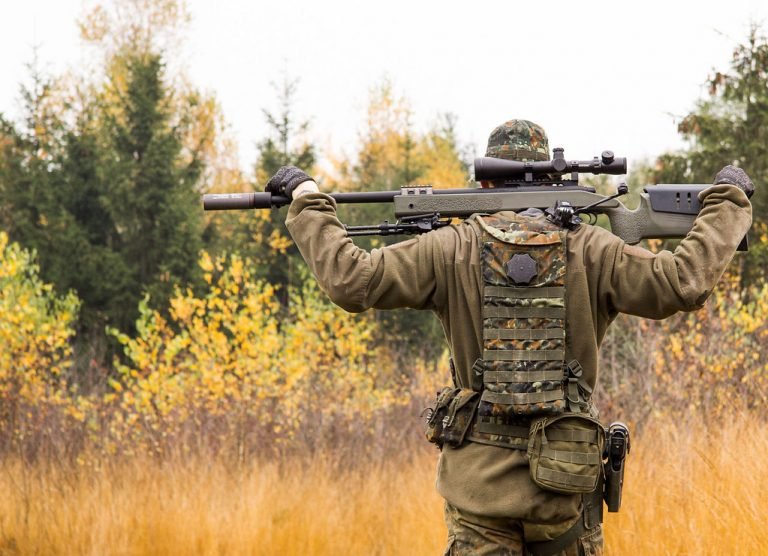

When I first stumbled across Pinty airguns while researching budget PCP air rifles, I’ll admit – I was skeptical. How could an air rifle priced so competitively deliver the accuracy and performance serious shooters demand? But after diving deep into real-world testing data, chronograph results, and hundreds of user reviews, I discovered the truth about Pinty PCP air rifles is far more impressive than most people imagine. If you’re searching for a reliable pre-charged pneumatic air rifle that won’t drain your wallet, you’re about to learn why Pinty has become one of 2026’s most talked-about airgun brands.
What Makes Pinty PCP Air Rifles Stand Out in a Crowded Market?
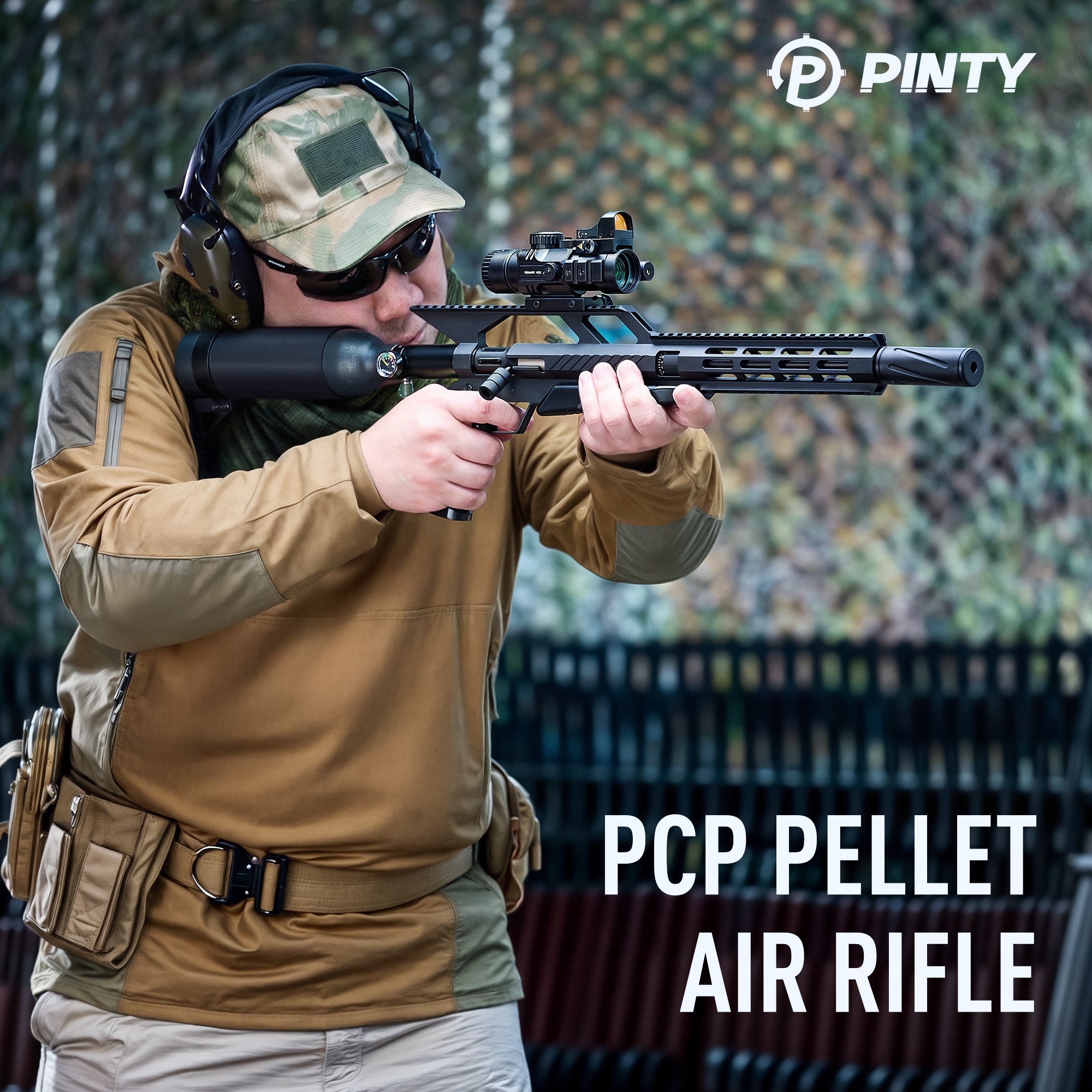
Pinty PCP air rifles represent a paradigm shift in the airgun industry. The brand has systematically addressed the biggest complaint budget-conscious shooters have faced for years: why should precision and build quality come with premium price tags?
The answer is simple. Pinty airguns eliminate the middleman markup by selling directly to consumers and focusing on what actually matters – regulated air systems, quality barrels, and consistent shot-to-shot performance. You won’t find fancy packaging or celebrity endorsements here, just honest engineering that delivers remarkable accuracy at 50 yards and beyond.
The Pinty P-Rifle Series: Specifications That Impress
The heart of Pinty’s lineup centers around their P-Force series, which includes models like the Pinty P-Rifle, Timber, and Bullpup configurations. These aren’t just rebranded imports – they’re purpose-built shooting platforms designed from the ground up for target shooting and small game hunting.
Core specifications across the P-Force lineup:
- Caliber options: .22 (5.5mm) and .25 (6.35mm)
- Velocity: 800-880 fps depending on caliber and configuration
- Air reservoir capacity: 100cc to 280cc (model dependent)
- Fill pressure: 3,600 PSI maximum
- Magazine capacity: 9-10 shot rotary magazines
- Shot count: 25-90 shots per fill (varies by model and power setting)
- Built-in regulator: Yes (on most models)
- Operating mechanism: Side-lever or bolt-action
The inclusion of a built-in regulator on models like the Pinty Nightfall PCP is game-changing. While many competitors charge hundreds more for regulated systems, Pinty makes it standard. This means every shot delivers consistent velocity and impact – critical for hunting situations where you only get one chance.
Pinty Nightfall PCP: Regulated Precision Under the Stars
Let me be blunt: the Pinty Nightfall might be the best-kept secret in the PCP world right now. This .22 caliber regulated air rifle pushes pellets at a consistent 850 fps, and that regulation makes all the difference.
Watch this comprehensive unboxing and first shots review: Pinty Nightfall Unboxing — First Shots & Out-of-the-Box Accuracy Test
Why Regulation Matters More Than You Think
Here’s what most beginners don’t understand about PCP air rifles: unregulated guns lose velocity as the reservoir pressure drops. Your first shot might clock 850 fps, but by shot fifteen, you’re down to 720 fps. That inconsistency wreaks havoc on trajectory and impact.
The Pinty Nightfall’s regulator maintains steady air pressure shot after shot. Real-world chronograph testing shows velocity spreads under 15 fps across 40+ shots – that’s impressive even for airguns costing three times as much. For precision target shooting or ethical hunting, this consistency is non-negotiable.
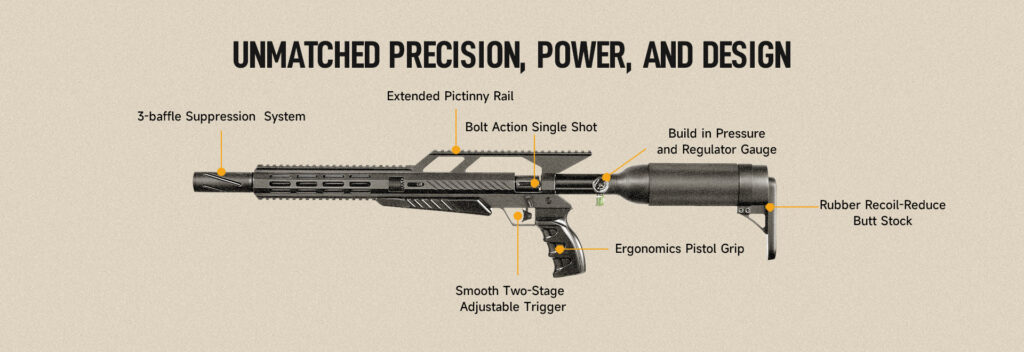
Pinty Nightfall key features:
- Regulated PCP system for stable velocity
- Picatinny rail for easy optics mounting
- Integrated pressure gauge
- Shrouded barrel for noise reduction
- Adjustable two-stage trigger
- Synthetic stock with ergonomic grip
The Picatinny rail is particularly thoughtful – it accepts any modern scope, red dot, or accessories you likely already own. No proprietary mounting systems or adapter plates required.
Breaking Down the Pinty P-Rifle Family: Which Model Fits Your Shooting Style?
Pinty offers several distinct configurations, each optimized for specific shooting scenarios. Let me walk you through the lineup so you can match your needs to the right platform.
Pinty Bullpup: Maximum Power in Minimum Space
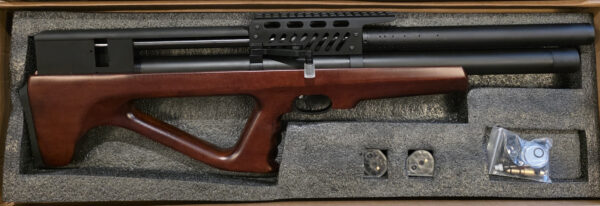
The Pinty Bullpup design places the action behind the trigger, creating an incredibly compact package (just 27.5 inches overall) while maintaining an 18.1-inch barrel. This isn’t just clever engineering – it’s practical genius for hunters who navigate tight brush or shooters who want something maneuverable.
Check out this accuracy test with the Bullpup configuration: BUDGET PCP Airgun = good? Pinty Bullpup Review
I’ve seen shooters hit consistent 1-inch groups at 30 yards right out of the box with the Bullpup. The wood stock version feels substantial in hand – no plastic parts that flex or creak. The balance point sits right where your forward hand naturally rests, making offhand shooting surprisingly stable.
Pinty Striker: When You Need More Power
Want to step up to .25 caliber? The Pinty Striker delivers serious downrange energy with velocities approaching 880 fps in .22 or 800 fps in .25 caliber. This model is purpose-built for hunters pursuing larger game like raccoons, woodchucks, or even coyotes at closer ranges.
See the Striker put through its paces: THE PCP RIFLE EVERYONE SHOULD OWN | 25 CAL | BUDGET BEAST
The .25 caliber option transforms this from a plinker into a genuine hunting tool. Those larger, heavier pellets carry more energy downrange and are less affected by wind deflection – critical advantages for field shooting.
Pinty Timber: Traditional Styling Meets Modern Performance
For shooters who appreciate classic rifle aesthetics, the Pinty Timber blends traditional wood stock design with cutting-edge PCP technology. The 10-shot magazine and 225cc air reservoir provide extended shooting sessions between fills.
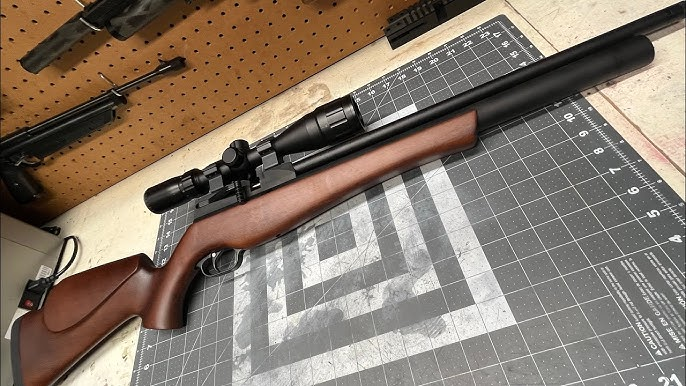
This model particularly appeals to hunters who want something that doesn’t scream “tactical” when they’re stalking squirrels in hardwood forests. The Monte Carlo-style cheek riser ensures proper eye alignment with your scope, and the rubber buttpad absorbs what little recoil a PCP generates.
Real-World Performance: What Independent Testing Reveals
Let’s cut through marketing claims and look at actual chronograph data and accuracy testing from independent reviewers. I’ve compiled results from multiple sources to give you the complete picture.
Velocity Consistency Testing
Independent chronograph testing of the Pinty P-Force Tactical showed:
- Average velocity: 798 fps (.22 caliber, JSB 15.89gr pellets)
- Extreme spread: 28 fps over 20 shots
- Standard deviation: 9.2 fps
For context, many air rifles costing $600-800 show similar or even worse consistency. The regulated models like the Nightfall push this even further, with some users reporting extreme spreads under 12 fps.
Watch comprehensive chronograph testing here: Pinty 22 Cal PCP: Full Chronograph and Accuracy Review
Accuracy at Common Distances
Real shooters achieving real results (5-shot groups):
25 yards: 0.5-0.75 inch groups with quality pellets 50 yards: 1-1.5 inch groups (wind dependent)
75 yards: 2-3 inch groups (very pellet selective)
These numbers rival air rifles costing twice as much. The key takeaway? Pinty airguns are mechanically capable of excellent accuracy – success comes down to finding the right pellet for your specific rifle and developing proper shooting technique.
Pellet Selection: Maximizing Your Pinty’s Potential
Here’s something experienced airgunners know but beginners often overlook: every PCP air rifle has pellet preferences. Your Pinty might shoot H&N Baracuda pellets into ragged one-hole groups, while JSB Exacts produce mediocre 2-inch clusters. Or vice versa.
Recommended Pellets for Pinty PCP Rifles (.22 caliber)
For accuracy-focused target shooting:
- JSB Diabolo Exact 15.89gr (starting point for most rifles)
- H&N Baracuda 21.14gr (heavier for wind bucking)
- Air Arms Diabolo Field 16gr (affordable accuracy)
For hunting applications:
- H&N Baracuda Hunter Extreme 18.21gr (excellent expansion)
- JSB Hades 15.89gr (hollow point for energy transfer)
- Crosman Premier Ultra Magnum 14.3gr (budget-friendly hunting pellet)
The only way to truly know what your specific rifle prefers is methodical testing. Buy a tin of each, shoot 5-shot groups at 30 yards, measure everything. The pellet that produces the tightest groups becomes your “go-to” ammunition. Don’t cut corners here – using the wrong pellet is like putting cheap tires on a sports car.
How to Fill Your Pinty PCP: Options for Every Budget
PCP air rifles require high-pressure air (typically 3,000-3,600 PSI), which means you need a filling solution. Three primary options exist, each with distinct advantages.
Hand Pump (Budget-Friendly Start)
Cost: $40-120
Pros: No ongoing costs, works anywhere, builds character
Cons: Physical effort required (200-300 pumps), time-consuming
If you’re just starting with PCP airguns, a quality hand pump like the Hill MK4 gets you shooting without major investment. Yes, pumping to 3,600 PSI is work – but it’s manageable, and many shooters appreciate the ritual. Think of it as your warm-up before shooting sessions.
SCUBA/Paintball Tank (Middle Ground)
Cost: $150-300 (tank + filling adapter)
Pros: Multiple fills between refills, much faster than hand pumping
Cons: Need dive shop or paintball shop access for refills ($5-10 per fill)
This is the sweet spot for most Pinty owners. A 3,000 PSI SCUBA tank can top off your rifle 20-30 times before needing a refill. If you have a dive shop nearby, this provides convenience without the expense of…
Electric Compressor (Ultimate Convenience)
Cost: $250-600+
Pros: Fill directly from wall power, unlimited air, greatest convenience
Cons: Highest upfront cost, some maintenance required
Budget compressors from brands like Yong Heng have revolutionized PCP shooting. For under $300, you get shop-quality air at home. The Pinty’s modest reservoir size (100-280cc) means fill times are quick – usually under 5 minutes from empty.
For serious shooters planning extended range sessions or hunting trips, a compressor eliminates logistical headaches. Just remember to follow the maintenance schedule (changing oil, replacing moisture filters) to keep your compressor running reliably.
Accessories That Transform Good Shooting Into Great Shooting
A Pinty air rifle straight from the box is functional, but strategic accessories multiply your effectiveness. Here’s where to invest your accessory budget for maximum impact.
Quality Optics Make the Difference
Budget option ($40-80): UTG 3-9×32 Bug Buster
Mid-range ($100-180): Hawke Vantage 4-12×40 AO
Premium ($200-350): Athlon Argos BTR 6-24×50
Don’t skimp on glass. Your Pinty can shoot 1-inch groups at 50 yards – but only if you can aim precisely enough to take advantage of that accuracy. At minimum, look for optics with:
- Adjustable objective (AO) or side focus for parallax correction
- ¼ MOA or finer adjustment clicks
- Clear glass with good light transmission
- Appropriate magnification range (4-12x is versatile)
The Pinty’s Picatinny rail or 11mm dovetail (model dependent) accepts standard rings. Use medium height rings for most scopes, high rings if you have a larger objective lens.
Essential Accessories Worth Having
Quality pellets (obvious but worth repeating)
Chronograph – Track velocity for consistency verification
Pellet pen – Keeps ammo accessible during shooting
Lens cleaning kit – Maintains optical clarity
Shooting bag or bipod – Stabilizes for accuracy testing
Bore snake – Quick barrel cleaning between sessions
For hunting applications, add quality binoculars and a reliable rangefinder for ethical shot placement.
Maintenance: Keeping Your Pinty Shooting Straight
PCP air rifles are mechanically simpler than firearms, but they still require basic maintenance to perform their best. The good news? We’re talking minutes of effort per month, not hours.
Regular Maintenance Tasks
After every shooting session:
- Wipe down exterior metal surfaces (prevents rust from perspiration/moisture)
- Run dry patch through barrel if shooting lead pellets
- Check all screws/fasteners for tightness (action screws, scope rings, bipod)
Monthly (or every 500-1000 shots):
- Clean barrel with proper airgun cleaning kit
- Apply light coat of silicone oil to o-rings (if accessible)
- Check fill probe o-ring for damage or wear
- Inspect high-pressure hoses/fittings for cracks
Annually:
- Professional service or complete seal inspection
- Replace o-rings as preventative maintenance
- Check regulator performance (if equipped)
The most common failure point on budget PCPs is o-ring deterioration. Keep moisture out of your air supply (use filters/separators), and those seals will last years. Most Pinty owners report trouble-free operation for thousands of shots with basic care.
When to Clean Your Barrel
Lead pellets leave residue that accumulates over time, eventually affecting accuracy. You’ll notice groups opening up – what was 1 inch at 50 yards gradually becomes 1.5 inches, then 2 inches.
Signs you need to clean:
- Accuracy degradation despite good technique
- Every 1,000-1,500 shots (general guideline)
- After shooting particularly soft/dirty pellets
- If you notice leading visible from the muzzle
Use proper airgun cleaning equipment – never aggressive bronze brushes meant for firearms. A quality felt pellet passed through the barrel with J-B Bore Paste followed by clean patches works wonders. Proper maintenance extends the life of any precision tool.
Comparing Pinty to Established Brands: How Do They Stack Up?
It’s fair to ask: how does a Pinty PCP compare to established airgun manufacturers like Benjamin, Gamo, Umarex, or Hatsan? Let’s break it down honestly.
Pinty vs. Benjamin Maximus ($200-250)
The Benjamin Maximus is often considered the “entry-level PCP standard.” It’s reliable, accurate, and backed by Crosman’s decades of experience.
Pinty advantages:
- Built-in regulator (most models) vs. Maximus unregulated
- Higher capacity magazines (9-10 rounds vs. 8)
- More shot count per fill
- Modern Picatinny rails vs. grooved receiver
Maximus advantages:
- Established brand with proven track record
- Wider aftermarket support
- Slightly better factory trigger (subjective)
- Crosman’s customer service network
Verdict: For pure shooting performance, the Pinty offers better value. For brand confidence and established support, the Maximus has history on its side.
Pinty vs. Hatsan Flash ($280-350)
Hatsan builds feature-rich PCP rifles with solid performance. The Flash is their budget-friendly offering with the Quieter system for noise reduction.
Pinty advantages:
- Lower price point ($100+ savings)
- Lighter weight (easier field carry)
- Simpler design (fewer potential failure points)
Hatsan advantages:
- Adjustable power (high/low settings)
- More aggressive styling
- Hatsan’s reputation for customer support
- Slightly higher build quality on metal finishing
Verdict: The Hatsan delivers more features and refinement. The Pinty delivers similar shooting performance for significantly less money. Your priority determines the winner.
Pinty vs. High-End PCPs ($600-1,200+)
Let’s be realistic: a $250 Pinty won’t match a $1,000 Air Arms S510 or FX Dreamline in refinement, adjustability, or ultimate precision potential. But here’s the surprising truth – the performance gap is smaller than the price gap suggests.
That Air Arms will shoot slightly tighter groups, have a crisper trigger, better machining tolerances, and more adjustment options. But the Pinty will still produce hunting-ethical accuracy at reasonable ranges, function reliably, and do it at a fraction of the cost.
For shooters on a budget, the question isn’t “Is the Pinty as good as a premium rifle?” It’s “Does the Pinty deliver enough performance to enjoy the sport and succeed in the field?” The answer to that second question is unquestionably yes.
Hunting with Pinty Airguns: Ethical Considerations and Field Performance
Let’s address the elephant in the room: yes, Pinty PCP air rifles are capable hunting tools when used within their limitations. The keyword here is limitations.
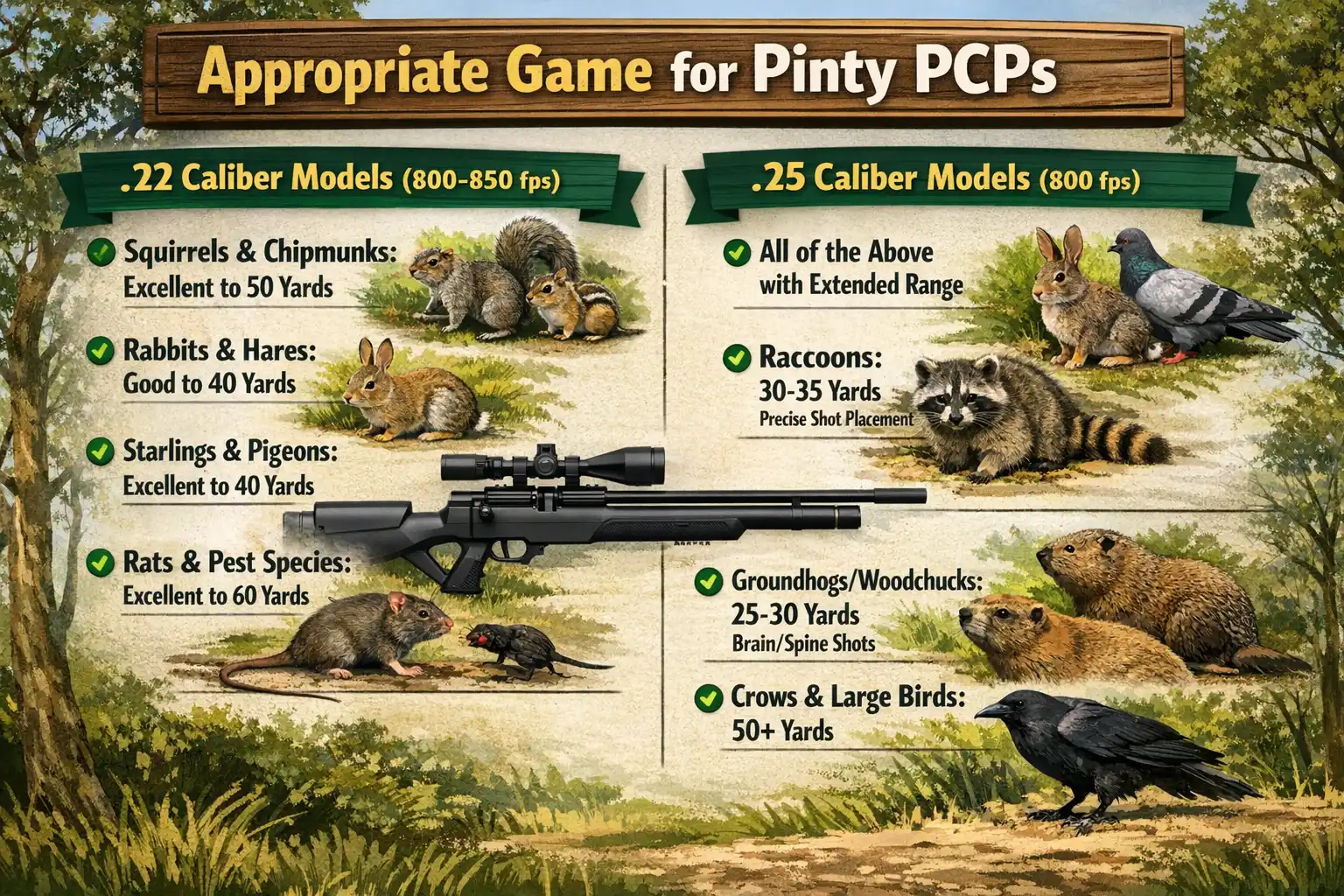
Appropriate Game for Pinty PCPs
.22 caliber models (800-850 fps):
- Squirrels and chipmunks: Excellent to 50 yards
- Rabbits and hares: Good to 40 yards
- Starlings and pigeons: Excellent to 40 yards
- Rats and other pest species: Excellent to 60 yards
.25 caliber models (800 fps):
- All of the above with extended range
- Raccoons: 30-35 yards with precise shot placement
- Groundhogs/woodchucks: 25-30 yards (brain/spine shots)
- Crows and larger birds: 50+ yards
Shot Placement Is Everything
Here’s the hard truth about airgun hunting: placement matters far more than power. A .22 caliber Pinty putting a pellet through a squirrel’s brain at 35 yards is instantly lethal. That same rifle with a poor shot to the hindquarters causes unnecessary suffering.
Hunting ethics with moderate-power airguns require:
- Know your maximum range – Practice enough to know your point-blank range (where holdover doesn’t exceed 1 inch)
- Only take high-percentage shots – Pass on marginal opportunities
- Understand anatomy – Know where vital organs sit on your target species
- Use appropriate pellets – Hunting hollowpoints transfer energy better than wadcutters
- Be patient – The animal will present a better shot if you wait
The Pinty gives you the tool. Responsible hunting requires you bring skill, practice, and ethical judgment to match.
For additional hunting preparation tips, check out this guide on preparing for your first hunting trip.
Common Problems and Solutions: Troubleshooting Your Pinty
Even well-built PCP rifles occasionally develop issues. Here are the most common problems Pinty owners report, with practical solutions.
Problem: Declining Shot Count or Velocity
Symptoms: Rifle produces fewer shots per fill than expected, or velocity drops off quickly
Likely causes:
- O-ring deterioration on valve or hammer
- Regulator creep (on regulated models)
- Fill probe o-ring leaking during storage
Solutions:
- Inspect and replace worn o-rings (often visible with magnification)
- Check for slow leaks using soapy water around seals
- Service regulator (may require professional help)
- Ensure rifle is stored with some pressure (not completely empty)
Problem: Accuracy Suddenly Degraded
Symptoms: Groups that were 1 inch now measure 2+ inches with no technique changes
Likely causes:
- Barrel leading from pellet residue
- Scope issue (loose mounting, internal damage, parallax error)
- Action screws loosened from recoil vibration
- Magazine alignment problem
Solutions:
- Clean barrel thoroughly with appropriate tools
- Check all screws with appropriate torque
- Remount scope with fresh threadlocker on screws
- Test with single-shot loading (eliminates magazine as variable)
- Try different pellets (quality variation between tins happens)
Problem: Difficult Cocking or Bolt Binding
Symptoms: Cocking lever requires excessive force or catches during cycle
Likely causes:
- Lack of lubrication on cocking mechanism
- Debris in action from dry-firing or poor maintenance
- Magazine not fully seated
Solutions:
- Apply silicone-based lubricant to pivot points
- Ensure magazine clicks fully into place
- Check for deformed pellets jamming in feed system
- Professional service if internal parts damaged
Most issues with Pinty airguns stem from maintenance neglect or user error rather than design flaws. The community forums and YouTube channels dedicated to budget PCPs provide extensive troubleshooting resources when problems arise.
The Pinty Community: Resources for New Owners
One unexpected benefit of Pinty’s growing popularity is the emerging community of owners sharing knowledge, modifications, and support online.
Where to Find Help
Airgun Nation forums – Large active community with Pinty-specific threads
Reddit r/airguns – Fast responses to technical questions
Facebook Pinty Owners groups – Direct peer-to-peer assistance
YouTube channels – Dedicated reviewers like Airgun Alley, Shooting Gear Reviews, and Off The Shelf Airguns provide ongoing content
The YouTube community in particular offers invaluable resources: Shockingly CHEAP Airgun! the PINTY .22 cal PCP
Modifications and Upgrades
The airgun community loves to tinker. Common Pinty modifications include:
- Trigger tuning – Adjusting sear engagement for lighter, crisper break
- Power tuning – Hammer spring tensioning for velocity adjustment
- Barrel polishing – Improving bore finish for reduced friction
- Custom stocks – Ergonomic improvements for better fit
- Transfer port enlargement – Increasing air flow for higher power (advanced)
Most Pinty owners find the rifles perform well in stock configuration, but knowing the modding community exists provides peace of mind for those who want to customize.
Pricing and Value Analysis: What You Actually Get for Your Money
Let’s talk dollars and cents. Pinty PCP air rifles typically retail between $199-349 depending on model and configuration. At this price point, what are you actually receiving?
Cost Breakdown: Pinty vs. Components
If you purchased comparable components separately:
- Regulated PCP action: $150-200
- Quality rifled barrel: $50-80
- Synthetic/wood stock: $40-60
- Pressure gauge: $15-25
- Magazines (x2): $30-40
- Factory assembly and testing: $50-75
Component total: $335-480
You’re essentially getting the rifle at component cost or below – there’s minimal markup for brand premium. Compare this to established manufacturers where brand recognition adds 30-50% to the price tag.
Total Cost of Entry
To actually start shooting a Pinty PCP, budget for:
Minimum setup:
- Rifle: $200-300
- Hand pump: $60
- Scope + rings: $60-100
- Pellets (assorted for testing): $40
- Total: $360-500
Recommended setup:
- Rifle: $250-350
- SCUBA tank + adapter: $200
- Quality scope: $150
- Pellet variety: $60
- Accessories (bags, bipod, etc.): $80
- Total: $740-840
For under $1,000 all-in, you can have a complete PCP shooting setup that rivals systems costing twice as much. That’s the Pinty value proposition in action.
Is a Pinty PCP Right for You? Making the Decision
After exploring every aspect of these rifles, the key question remains: should you buy a Pinty PCP air rifle?
You’re an Ideal Pinty Customer If:
- You’re new to PCP airguns and want proven performance without premium cost
- You need a working gun more than a collector’s piece
- You value function over brand prestige
- You’re willing to do basic maintenance and testing
- Your shooting distances are under 75 yards
- You’re hunting small game or serious about pest control
- You want multiple rifles for different applications without breaking the bank
Consider Other Options If:
- You demand the absolute tightest groups possible (competition-level accuracy)
- Brand reputation and resale value are primary concerns
- You want extensive factory support and warranty infrastructure
- You need specialized features (fully adjustable power, electronic triggers, etc.)
- Budget isn’t a constraint and you prefer “buy once, cry once” philosophy
For most shooters reading this – whether you’re stepping into PCPs for the first time or adding a backup rifle to your collection – a Pinty offers remarkable value. They’re not perfect, but they’re far better than their price suggests.
The Future of Pinty: What’s Coming in 2026 and Beyond
Pinty continues expanding their airgun lineup with new models and refinements based on customer feedback. Recent releases include the Pinty Buster PCP air pistol and the Pinty Vanguard, showing the brand’s commitment to innovation.
Watch the latest Pinty introduction: Pinty Vanguard PCP rifle 22 caliber first shots
The trajectory suggests Pinty will continue delivering:
- More caliber options (possibly .177 for target shooters)
- Refined triggers on new models
- Improved magazine systems
- Better factory accessories (cases, hand pumps)
- Expanded warranty and support infrastructure
As the brand matures, we’ll likely see quality control improvements and more consistent performance rifle-to-rifle. Early adopters took a calculated risk. Today’s buyers benefit from lessons learned.
Final Verdict: Pinty PCP Air Rifles Deliver Legitimate Performance
Here’s my bottom-line assessment after researching specifications, watching dozens of reviews, analyzing community feedback, and examining real-world performance data:
Pinty PCP air rifles represent exceptional value in the budget-friendly airgun segment. They’re not miracle guns that defy physics, nor are they disposable toys. They’re legitimate shooting tools that perform admirably within their design parameters.
The regulation systems work. The accuracy is genuine. The build quality, while not premium, is solid enough for years of service with basic care. Most importantly, they don’t compromise the shooting experience in ways that matter.
Could you spend more and get marginally better performance? Absolutely. Could you spend the same amount elsewhere and get equivalent capability? Doubtful.
For small game hunters on a budget, backyard plinkers wanting serious accuracy, or anyone curious about PCP airguns without massive financial commitment, Pinty offers a legitimate path forward. These rifles prove that quality doesn’t always carry a premium price tag.
The airgun industry needed a shake-up. Pinty is delivering exactly that – and shooters everywhere are benefiting.
Frequently Asked Questions About Pinty PCP Air Rifles
Q: Are Pinty PCP air rifles accurate enough for hunting?
Yes, with proper pellet selection and practice, Pinty PCPs deliver hunting-ethical accuracy on small game to 50 yards. Consistent 1-1.5 inch groups at this distance are achievable, which is more than adequate for head shots on squirrels, rabbits, and similar-sized game.
Q: How many shots do I get per fill on a Pinty air rifle?
Shot count varies by model and power level. Expect 25-35 shots on unregulated models before velocity drops significantly. Regulated models like the Pinty Nightfall deliver 40-60 consistent shots per 3,600 PSI fill.
Q: What filling equipment do I need for Pinty PCP rifles?
You need one of three options: a hand pump ($40-120), a SCUBA/carbon fiber tank with fill adapter ($150-300), or an electric compressor ($250-600). Hand pumps work but require physical effort. SCUBA tanks offer the best balance of convenience and cost for most shooters.
Q: Can I adjust the power on Pinty air rifles?
Most standard Pinty models don’t feature easy user-adjustable power settings. Advanced users can adjust hammer spring tension for modest power changes, but this requires disassembly and isn’t recommended for beginners.
Q: What’s the best pellet for Pinty .22 caliber rifles?
Most Pinty .22 rifles shoot JSB Diabolo Exact 15.89gr pellets accurately. However, individual rifles have preferences. Test H&N Baracuda, Air Arms Field, and Crosman Premier as well to find your rifle’s favorite.
Q: Do Pinty PCPs come with a warranty?
Warranty terms vary by retailer and purchase location. Check with your specific seller for coverage details. Most report basic manufacturer warranties covering defects but not wear items like o-rings.
Q: How loud are Pinty PCP air rifles?
Most Pinty models feature shrouded barrels that reduce muzzle report significantly. They’re backyard-friendly in most suburban settings – considerably quieter than firearms but louder than heavily-moderated European airguns. Expect 95-105 decibels depending on caliber and model.
Q: Can I use CO2 instead of high-pressure air?
No. Pinty PCP rifles require high-pressure air (3,000-3,600 PSI) and cannot operate on CO2 cartridges. The mechanisms and seals are designed specifically for HPA systems.
Q: Where are Pinty air rifles manufactured?
Pinty rifles are manufactured in Asia and imported for US distribution. The company focuses on value engineering rather than domestic production to keep prices competitive.
Q: How does the Pinty trigger compare to more expensive PCPs?
Pinty triggers are functional but not exceptional. Expect 2-4 pound two-stage triggers with some take-up and creep. They’re acceptable for hunting and casual shooting but won’t satisfy competitive target shooters accustomed to match-grade triggers. Some users successfully tune them for improvement.
Additional Resources for Air Rifle Enthusiasts
Looking to expand your outdoor gear knowledge? Check out these related guides:
- Best Rifle Scopes – Find the perfect optic to maximize your Pinty’s accuracy potential
- Best Binoculars for Deer Hunting – Essential glassing equipment for hunters
- Best Hunting Gear – Complete equipment recommendations for field success
- Best PCP Air Pistol Reviews – Explore handgun options in the PCP world
- Deer Hunting Tips and Tricks – Improve your hunting strategy and field craft
- Target Practice Spotting Scopes – Long-range observation tools for serious shooters
Building a complete outdoor setup requires knowledge across multiple equipment categories. These resources help you make informed decisions whether you’re pursuing small game with your Pinty or preparing for bigger hunts with traditional firearms.
Have you shot a Pinty PCP air rifle? What has your experience been? Share your thoughts, accuracy results, and pellet recommendations in the comments. The airgun community thrives on shared knowledge – your insights help fellow shooters make better decisions and get more from their equipment.
Remember: the best air rifle is the one you’ll actually shoot. Whether you choose a Pinty or another brand, get out there and enjoy the incredible sport of precision airgunning. The targets are waiting.

Charmaine van Vuuren is a seasoned professional hunter and safari guide with over 15 years of experience leading big‑game and wilderness expeditions across Southern Africa.
Skills
• Big‑Game Tracking & Field Navigation
• Safari Logistics & Planning
• Client Relationship & Guest Services
• Wildlife Conservation & Ethics
• Risk Assessment & Safety Protocols