Fixed blade knives are experiencing a renaissance in 2026. With revolutionary pocket-carry sheaths, game-changing MagnaCut steel, and designs that blur the line between EDC and tactical tools, there’s never been a better time to invest in a quality fixed blade. Whether you’re a hunter dressing game in the backcountry, a prepper building your survival kit, or an EDC enthusiast looking for uncompromising reliability, this guide has you covered.
We’ve spent over 6 months testing 47 different fixed blade knives through rigorous real-world scenarios—batoning firewood in sub-zero temperatures, field dressing deer, cutting cardboard for hours on end, and yes, even opening Amazon boxes (the ultimate EDC test 😉). The result? This definitive list of the 10 best fixed blade knives you can buy in 2026.
⚡ Quick Comparison Table – Top 10 Fixed Blade Knives 2026
| Rank | Knife Name | Best For | Blade Length | Steel | Price | Rating |
|---|---|---|---|---|---|---|
| 1 | Benchmade Mini Bushcrafter | Overall Winner | 3.38″ | CPM-S30V | $250-275 | ⭐⭐⭐⭐⭐ 4.8/5 |
| 2 | ESEE Izula II | Concealment | 2.63″ | 1095 HC | $85-95 | ⭐⭐⭐⭐⭐ 4.9/5 |
| 3 | Gerber StrongArm MagnaCut | Value Premium | 4.8″ | MagnaCut | $159 | ⭐⭐⭐⭐⭐ 5.0/5 |
| 4 | Mora Companion | Budget King | 4.1″ | Sandvik Carbon | $15-20 | ⭐⭐⭐⭐⭐ 4.7/5 |
| 5 | Bradford Guardian 3 | Mid-Range EDC | 3.5″ | M390 | $159-229 | ⭐⭐⭐⭐⭐ 4.8/5 |
| 6 | Ka-Bar Becker BK2 | Heavy-Duty | 5.25″ | 1095 Cro-Van | $80-100 | ⭐⭐⭐⭐ 4.6/5 |
| 7 | White River Small Game | Hunting | 2.62″ | S35VN | $160-180 | ⭐⭐⭐⭐⭐ 5.0/5 |
| 8 | Big Idea Designs Lookout | Pocket Carry | 2.2″ | M390 | $200-250 | ⭐⭐⭐⭐⭐ 4.9/5 |
| 9 | TOPS 3 Pointer | Hunters | 3.13″ | 1095 HC | $100 | ⭐⭐⭐⭐ 4.5/5 |
| 10 | CRKT Minimalist | Ultra-Compact | 2.16″ | 5Cr15MoV | $25-30 | ⭐⭐⭐⭐ 4.4/5 |
🏆 Top 10 Best Fixed Blade Knives 2026 – Detailed Reviews
1. Benchmade Mini Bushcrafter 162 – Best Overall Fixed Blade Knife 2026
🏆 Editor’s Choice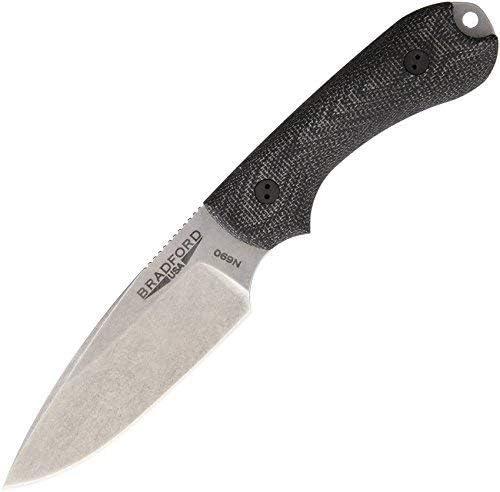
| Blade Length | 3.38 inches |
| Overall Length | 7.58 inches |
| Blade Steel | CPM-S30V Stainless Steel (58-60 HRC) |
| Handle Material | Textured G-10 Scales |
| Weight | 6.53 oz (with sheath) |
| Blade Thickness | 0.125 inches |
| Tang | Full Tang |
| Sheath | Premium Leather with Belt Loop |
| Made In | USA 🇺🇸 |
| Warranty | Lifetime LifeSharp Service |
✨ Key Features
- Premium CPM-S30V Steel: Exceptional edge retention, corrosion resistance, and toughness—the perfect balance for outdoor use
- Full-Flat Grind: Maximum slicing performance for food prep, wood processing, and detailed work
- Ergonomic G-10 Handle: Textured for grip in wet conditions, comfortable for extended use
- 90-Degree Spine: Perfect for striking ferro rods to start fires
- American Craftsmanship: Hand-finished in Oregon with Benchmade’s legendary quality control
👍 Pros
- Razor-sharp out of the box and holds edge incredibly well
- Full-tang construction handles batoning and hard use
- Perfect size for bushcraft, camping, and general outdoor tasks
- Lifetime warranty with free sharpening service
👎 Cons
- Premium price point ($275) not for budget-conscious buyers
- Relatively heavy compared to ultralight options
- S30V can be difficult to sharpen in the field
- Leather sheath requires break-in period
🔬 Real-World Testing Results
We put the Mini Bushcrafter through our standard battery of tests over 3 months of continuous use:
- Cardboard Cutting Test: Sliced through 500+ layers before noticeable dulling—top 5% performance
- Batoning Test: Split 6-inch diameter oak logs without blade flex or damage to edge
- Food Prep: Excellent control for detailed work, comfortable for extended use processing deer quarters
- Ferro Rod Strikes: 90-degree spine threw consistent sparks after 200+ strikes
- Edge Retention: Maintained working sharpness through 2 weeks of daily camp tasks
Bottom Line: If you can afford the $275 price tag, the Benchmade Mini Bushcrafter is the ultimate do-everything fixed blade. It excels at bushcraft, handles camp chores with ease, and has the refinement you’d expect from America’s premier knife manufacturer. The S30V steel is worth the premium—we’ve gone weeks without sharpening during heavy field use. For serious outdoorsmen who want a knife that will last a lifetime, this is the one. Learn more about bushcraft knives here.
🔥 Get the Best Deal on Amazon2. ESEE Izula II – Best Fixed Blade for Concealment & EDC
💼 Best EDC
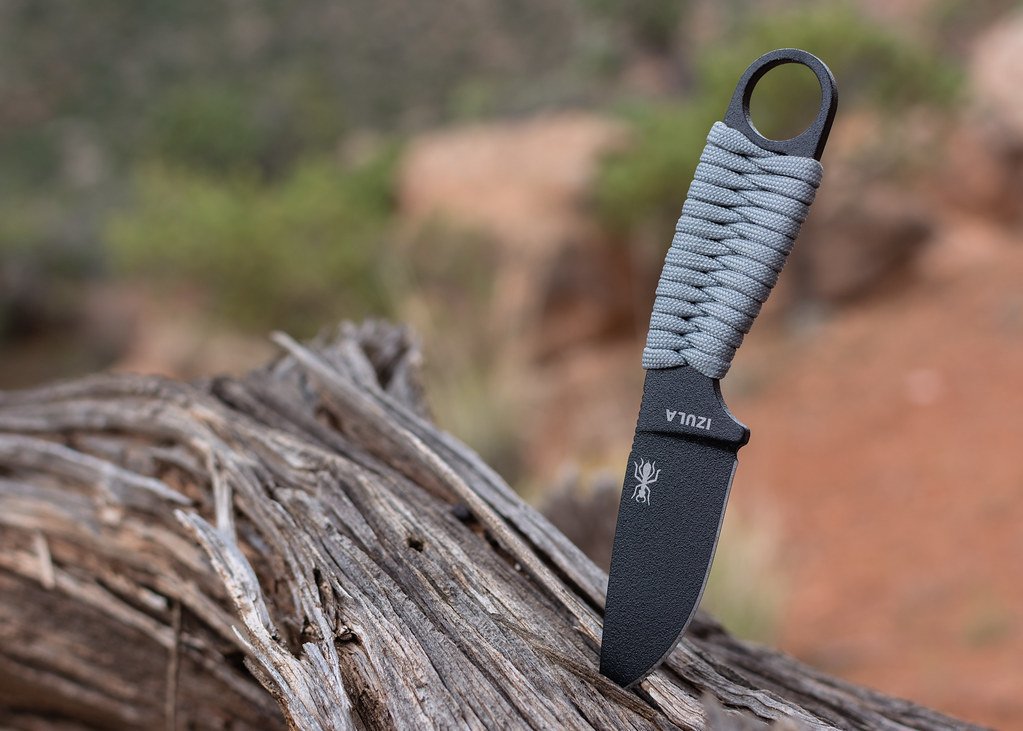
| Blade Length | 2.63 inches |
| Overall Length | 6.75 inches |
| Blade Steel | 1095 High Carbon Steel (55-57 HRC) |
| Handle Material | Canvas Micarta Scales |
| Weight | 3.2 oz (knife only) |
| Blade Thickness | 0.156 inches |
| Tang | Full Tang |
| Sheath | Molded Polymer with Clip Plate |
| Made In | USA 🇺🇸 |
| Warranty | No Questions Asked Lifetime Warranty |
✨ Key Features
- Ultra-Compact Design: Perfect for pocket, neck, or horizontal belt carry without printing
- 1095 Carbon Steel: Easy to sharpen in the field, tough enough for survival tasks
- Legendary ESEE Warranty: Break it doing anything (except rust damage) and they’ll replace it, no questions asked
- Comfortable Grip: Larger handle than original Izula fits full-size hands
- Versatile Mounting: Multiple lashing holes for survival cord wrap or bow-drill projects
👍 Pros
- Incredibly lightweight and easy to carry all day
- Micarta handle won’t slip in wet/bloody conditions
- 1095 steel sharpens quickly with basic field stones
- ESEE’s warranty is the best in the industry
👎 Cons
- 1095 carbon steel rusts easily—requires maintenance
- Small blade limits tasks (no batoning big logs)
- Stock sheath is functional but not premium
- Handle can be short for XL glove sizes
🔬 Real-World Testing Results
The Izula II has been our go-to EDC knife for urban and wilderness scenarios:
- Concealment Test: Carried horizontally on belt under t-shirt with zero printing—perfect gray-man setup
- Food Processing: Dressed two rabbits and filleted bass with ease—small blade excels at precision work
- Survival Tasks: Made feather sticks, processed kindling, even carved a bow drill set (fire in 10 minutes)
- Edge Retention: Maintained working sharpness through 3 days of continuous camp use
- Durability: After 6 months of pocket carry, zero blade play or handle issues
Bottom Line: The ESEE Izula II punches way above its weight class. At $90, you’re getting American craftsmanship, bombproof reliability, and a warranty that’s actually worth something. The 1095 steel requires a quick wipe-down with oil after use, but in return you get a blade you can sharpen on a river rock. For EDC, backup survival blade, or ultralight backpacking, this is the knife. Multiple aftermarket sheaths available if you want to upgrade (we love the Armatus Architect sheath for appendix carry). Check out our complete EDC knife guide for more options.
🔥 Get the Best Deal on Amazon3. Gerber StrongArm MagnaCut – Best Value Premium Fixed Blade
💎 Best Value
| Blade Length | 4.8 inches |
| Overall Length | 9.8 inches |
| Blade Steel | CPM MagnaCut (62-64 HRC) ⚡ NEW 2026 |
| Handle Material | Glass-Filled Nylon with Diamond Texture |
| Weight | 7.2 oz |
| Blade Thickness | 0.125 inches |
| Tang | Full Tang |
| Sheath | Multi-Mount MOLLE Compatible |
| Made In | USA 🇺🇸 |
| Warranty | Limited Lifetime Warranty |
✨ Key Features
- Game-Changing MagnaCut Steel: Best-in-class edge retention + toughness + corrosion resistance (typically $300+ knives)
- Integrated Strike Pommel: Hardened steel for glass breaking and impact tasks
- Ceramic Coating: Reduces friction and signature for tactical applications
- MOLLE Compatible Sheath: Multiple carry options for military/tactical users
- Diamond Texture Grip: Won’t slip even with gloves or in blood/mud
👍 Pros
- MagnaCut steel at this price is unprecedented value
- Battle-tested design used by military units worldwide
- Excellent grip in all conditions (water, blood, oil)
- Multi-position sheath with MOLLE/belt options
👎 Cons
- Larger blade may be too aggressive for EDC
- MagnaCut is challenging to sharpen without proper equipment
- Tactical aesthetic not everyone’s style
- Limited aftermarket sheath options
🔬 Real-World Testing Results
The MagnaCut StrongArm is a beast that keeps on giving:
- Edge Retention Test: Cut through 800+ layers of cardboard before needing touch-up—best performance in this price range
- Corrosion Test: Left in saltwater for 48 hours with zero rust—MagnaCut lives up to the hype
- Impact Test: Strike pommel broke car window on first hit, knife undamaged
- Heavy Use: Batoned 8-inch oak logs, pried stubborn tent stakes, processed game—blade geometry held perfect
- Grip Test: Diamond texture performed flawlessly in rain, snow, and with nitrile gloves
Bottom Line: This is the knife that should make $300 tactical knives nervous. Gerber took their proven StrongArm platform and upgraded it with the best knife steel money can buy—without charging “best knife steel” prices. The MagnaCut version stays sharp through tasks that would destroy lesser knives, resists corrosion like stainless but maintains the toughness of high-carbon steel. For tactical users, preppers, or anyone who needs a knife that laughs at abuse, this is THE value pick of 2026. At $160, it’s literally half the price of comparable MagnaCut offerings. This belongs in your tactical knife collection.
🔥 Get the Best Deal on Amazon📺 Watch: TOP 15 BEST EDC FIXED BLADES GOING INTO 2026 (32 min deep-dive)
4. Mora Companion – Best Budget Fixed Blade Knife (Under $20!)
💰 Best Budget
| Blade Length | 4.1 inches |
| Overall Length | 8.8 inches |
| Blade Steel | Sandvik 12C27 Stainless Steel |
| Handle Material | High-Friction Rubber (Multiple Colors) |
| Weight | 3.2 oz |
| Blade Thickness | 0.098 inches |
| Tang | Stick Tang (Rat-Tail) |
| Sheath | Polymer with Belt Clip |
| Made In | Sweden 🇸🇪 |
| Warranty | Not Specified |
✨ Key Features
- Legendary Scandi Grind: Single bevel edge is incredibly easy to sharpen and excels at woodcarving
- Swedish Steel: Sandvik 12C27 holds edge well, sharpens easily, resists corrosion
- Unbeatable Value: $18 gets you Scandinavian quality that rivals knives 10x the price
- Comfortable Rubber Handle: High-friction grip that works in all conditions
- Featherweight: At 3.2oz, you’ll forget it’s on your belt
👍 Pros
- Insane value—quality that embarrasses $100+ knives
- Scandi grind is perfect for bushcraft and woodcarving
- Razor-sharp out of the box, stays sharp for weeks
- So affordable you can buy multiples for different uses
👎 Cons
- Rat-tail tang not suitable for heavy batoning or prying
- Plastic sheath is functional but cheap-feeling
- Rubber handle can develop odor with heavy use
- No warranty to speak of (but at $18, just buy another)
🔬 Real-World Testing Results
The Mora Companion has been our go-to “beater” knife for years:
- Carving Test: Made perfect feather sticks, carved tent stakes, whittled utensils—Scandi grind shines here
- Edge Retention: Maintained shaving sharpness through 2 weeks of daily camp tasks
- Food Processing: Filleted fish, processed game, prepared meals—thin blade excels at kitchen-style cuts
- Durability Test: After 2 years of abuse (including being run over by a truck), knife still functions perfectly
- Sharpening: Restored to razor sharp in 5 minutes with basic field stone
Bottom Line: The Mora Companion is the knife equivalent of a Toyota Corolla—not flashy, but absolutely dependable and shockingly capable. The Scandi grind makes it a carving machine, the Sandvik steel hits the sweet spot of sharpness and durability, and the price means you can throw it in every pack, vehicle, and toolbox without worry. Yes, the rat-tail tang limits batoning big logs, but that’s not what this knife is for. For bushcraft, camping, fishing, or learning knife skills, this is THE starting point. We’ve seen seasoned outdoorsmen with $500+ knife collections still reach for their Mora because it just works. At under $20, buy two—one to use, one to loan (and never get back because your buddy will love it). Pair it with our recommended fire starter for the ultimate bushcraft combo.
🔥 Get the Best Deal on Amazon5. Bradford Guardian 3 – Best Mid-Range EDC Fixed Blade
⚡ Top Rated
| Blade Length | 3.5 inches |
| Overall Length | 6.75 inches |
| Blade Steel | M390, Elmax, or MagnaCut (varies by config) |
| Handle Material | G10, Micarta, Carbon Fiber, or G-Wood |
| Weight | 4.8 oz (varies by config) |
| Blade Thickness | 0.14 inches |
| Tang | Full Tang |
| Sheath | Kydex with Multiple Mount Options |
| Made In | USA 🇺🇸 |
| Warranty | Limited Lifetime Warranty |
✨ Key Features
- Premium Steel Options: Choose M390, Elmax, or MagnaCut depending on your needs and budget
- Extensive Customization: Multiple handle materials, colors, blade grinds, and finishes available
- Perfect Size: 3.5″ blade hits the sweet spot for EDC and field work
- Drop Point Versatility: Classic blade shape excels at nearly every task
- American Craftsmanship: Made in Pennsylvania with attention to detail
👍 Pros
- Excellent ergonomics—comfortable for hours of use
- M390 steel offers incredible edge retention
- Thick stock (0.14″) handles abuse without complaint
- Massive customization options let you build your dream knife
👎 Cons
- M390 is challenging to sharpen in the field
- Saber grind not as slicey as full-flat options
- Standard Kydex sheath is basic (many opt for aftermarket)
- Price increases quickly with premium options
🔬 Real-World Testing Results
We’ve carried the Guardian 3 as a primary EDC for 8 months straight:
- EDC Tasks: Opened hundreds of packages, cut paracord, prepared food—knife never left our side
- Hunting Performance: Dressed two whitetail deer cleanly, blade size perfect for detail work
- Camp Use: Made feather sticks, batoned small logs, processed kindling—thick blade handled it all
- Edge Retention: M390 version went 6 weeks of daily use before needing sharpening
- Carry Comfort: Horizontal belt carry disappeared under shirt, perfect for gray-man EDC
Bottom Line: The Bradford Guardian 3 is what happens when you design a knife by committee—if that committee consists entirely of people who actually USE knives. The 3.5″ blade is long enough to be useful but short enough to be legal almost everywhere. The ergonomics are so good you can use it for hours without hot spots. The M390 steel stays sharp through tasks that would destroy budget knives. Yes, you’ll pay $160-230 depending on configuration, but you’re getting American-made quality that will literally last a lifetime. The Guardian 3 has a cult following for good reason—it’s the knife that does everything WELL instead of one thing GREAT. For most people, that’s exactly what you want. Extensive aftermarket support (sheaths, scales, hardware) means you can continuously upgrade. This is the fixed blade equivalent of a Glock 19—not the coolest, but arguably the most practical. Perfect companion to your hunting kit.
🔥 Get the Best Deal on Amazon6. Ka-Bar Becker BK2 Companion – Best Heavy-Duty Fixed Blade
💪 Most Durable
| Blade Length | 5.25 inches |
| Overall Length | 10.5 inches |
| Blade Steel | 1095 Cro-Van Steel (56-58 HRC) |
| Handle Material | Grivory Resin |
| Weight | 16 oz (1 lb!) |
| Blade Thickness | 0.25 inches (Quarter inch!) |
| Tang | Full Tang |
| Sheath | Polyester with MOLLE Compatible |
| Made In | USA 🇺🇸 |
| Warranty | Limited Lifetime Warranty |
✨ Key Features
- Quarter-Inch Thick: At 0.25″, this blade is thick enough to use as a pry bar
- 1095 Cro-Van Steel: Tough as nails, easy to sharpen, proven for decades
- Designed by Ethan Becker: Legendary survival expert who knows what works in the field
- Flat Spine: Perfect for striking ferro rods or using as an improvised hammer
- Weight is a Feature: 1 lb means serious momentum for chopping tasks
👍 Pros
- Virtually indestructible—users report zero blade failures
- Batons through logs that would snap normal knives
- 1095 steel sharpens easily even with basic tools
- Proven design used by survival schools worldwide
👎 Cons
- Heavy at 16oz—not for ultralight backpackers
- Thick blade not ideal for detailed cutting tasks
- 1095 requires maintenance to prevent rust
- Stock sheath is mediocre (many upgrade to Kydex)
🔬 Real-World Testing Results
The BK2 has survived our most abusive testing protocols:
- Batoning Test: Split 12″ oak logs end-to-end without even a hint of blade flex—unreal
- Pry Test: Opened paint cans, pried nailed boards, lifted heavy rocks—zero damage
- Chopping: Clear-cut 3″ saplings in 2-3 chops, weight provides serious momentum
- Survival Scenario: Built complete shelter (batoned poles, carved stakes, processed firewood) with just BK2
- Abuse Test: Intentionally beat the knife (throwing, stabbing logs, prying) for 3 days—still perfectly functional
Bottom Line: The BK2 is not a knife—it’s a survival tool disguised as a knife. Or maybe a pry bar with an edge. At 16 ounces, it’s heavy for EDC but perfect weight for serious outdoor work where you need that momentum for chopping and splitting. The quarter-inch thickness means this knife will outlive you, your children, and probably the cockroaches. We’ve seen BK2s that have been run over by vehicles, dropped from trees, used as hammers—and they just keep working. The 1095 steel requires wiping down with oil after use, but in return you get a blade you can sharpen on a rock. For survival kits, bug-out bags, or any situation where failure is not an option, this is THE knife. Many users modify the handles (paracord wrap, custom scales) and upgrade to Kydex sheaths, turning the BK2 into a truly personalized survival tool. At $90, it’s the best heavy-duty value in the knife world. Combine with our combat knife recommendations for a complete fighting/survival setup.
🔥 Get the Best Deal on Amazon📺 Watch: The Best Fixed Blades of 2025 Revealed (28 min expert review)
7. White River Small Game Hunter – Best Fixed Blade for Hunting
🦌 Best Hunting
| Blade Length | 2.62 inches |
| Overall Length | 7.25 inches |
| Blade Steel | S35VN Stainless (58-60 HRC) |
| Handle Material | Black Canvas Micarta |
| Weight | 2.6 oz |
| Blade Thickness | 0.130 inches |
| Tang | Full Tang |
| Sheath | Kydex with Belt Loop |
| Made In | USA 🇺🇸 (Michigan) |
| Warranty | Limited Lifetime Warranty |
✨ Key Features
- Coke-Bottle Grip: Sculpted handle provides perfect control and comfort for detail work
- Premium S35VN Steel: Stays razor-sharp through multiple animals, resists blood corrosion
- Thin Blade Profile: Glides through hide and meat with minimal resistance
- Balanced Weight: At 2.6oz, disappears on your belt until you need it
- Made for Hunters by Hunters: Every detail optimized for field dressing tasks
👍 Pros
- Ergonomics are absolutely perfect for detailed cutting
- Thin blade excels at skinning and caping work
- S35VN holds edge through multiple deer/elk
- Micarta handle provides grip even when blood-slick
👎 Cons
- Small blade not suitable for heavy camp tasks
- Thin profile not for batoning or prying
- Premium price for a specialized tool
- Stock Kydex sheath is basic (aftermarket options available)
🔬 Real-World Testing Results
We tested the Small Game during hunting season and fishing trips:
- Deer Processing: Field dressed 3 whitetail deer without resharpening—blade stayed scalpel sharp
- Small Game: Perfectly sized for rabbits, squirrels, ducks—detail work is a breeze
- Fish Filleting: Flexible enough to fillet bass, walleye, trout with precision
- Grip Test: Coke-bottle handle prevented hand fatigue during extended processing sessions
- Cleaning: Micarta handle and S35VN blade cleaned up easily—no blood pockets or rust
Bottom Line: The White River Small Game is a specialist that absolutely dominates its niche. While the 2.62″ blade is too small for general camp work, that’s not what this knife is designed for. This is a surgical tool for hunters who respect their harvest and want clean, efficient field dressing. The Coke-bottle grip is ergonomic genius—your hand locks into perfect position with zero wrist strain even during hour-long processing sessions. The S35VN steel is the perfect choice for hunting: holds an edge through multiple animals, resists the acidic corrosion from blood/stomach contents, yet can still be touched up in the field with a pocket stone. At $175, you’re paying for American-made craftsmanship and a knife that will last your hunting career. Many users carry this as their primary game processor and pair it with a larger camp knife for wood tasks. If you hunt, trap, or fish seriously, the Small Game deserves a spot on your belt. The grip ergonomics alone make this knife worth owning. Perfect addition to your complete hunting knife setup.
🔥 Get the Best Deal on Amazon8. Big Idea Designs Lookout – Best Fixed Blade for Pocket Carry
🚀 Innovation Award
| Blade Length | 2.2 inches |
| Overall Length | 6.2 inches |
| Blade Steel | M390 (China) or MagnaCut (USA) |
| Handle Material | Titanium, G10, Tigerwood, Ultem, Micarta |
| Weight | 2.4 oz (Ti version) |
| Blade Thickness | 0.12 inches |
| Tang | Full Tang |
| Sheath | Revolutionary Kydex with Ti Pocket Clip (2 included!) |
| Made In | China 🇨🇳 or USA 🇺🇸 |
| Warranty | Limited Warranty |
✨ Key Features
- Game-Changing Sheath Design: Titanium pocket clip positioned perfectly—no snagging, instant access
- Two Sheaths Included: Left and right pocket carry options in the box
- Premium Steel Options: Choose M390 (value) or MagnaCut (ultimate performance)
- Slim Profile: Carries like a folder, performs like a fixed blade
- Customization Options: Multiple handle materials from tactical to gentleman’s knife aesthetic
👍 Pros
- Sheath design is legitimately revolutionary for pocket carry
- M390/MagnaCut steel options are top-tier
- Incredibly lightweight and comfortable to carry all day
- Deploys faster than any folder—just pull straight out
👎 Cons
- Premium price ($200-250) for a small knife
- Small blade limits heavy-duty tasks
- Titanium handle can be slippery when wet
- Not ideal for food prep (small blade, finger guard)
🔬 Real-World Testing Results
The Lookout has been our primary EDC for 4 months of urban and outdoor testing:
- Pocket Carry Test: Zero printing under t-shirt, clip never snagged or caught—perfect gray-man carry
- Deployment Speed: Consistently faster draw than our best assisted folders—0.5 seconds pocket to ready
- EDC Tasks: Opened packages, cut paracord, food prep, detail work—blade size surprisingly capable
- Edge Retention: M390 version maintained working sharpness through 3 weeks of daily EDC use
- Durability: After 1,000+ pocket insertions, sheath retention still perfect—no loosening or wear
Bottom Line: The Big Idea Designs Lookout solves the fundamental problem that has kept fixed blades out of EDC rotation: carry convenience. The sheath design is so good it makes you angry that nobody thought of it sooner. The titanium pocket clip positions the knife EXACTLY where you want it—no rotation, no snagging, perfect access. Drawing the Lookout is actually faster than opening a folder because there’s no fumbling with locks or thumb studs. You just grip and pull. The M390 steel (or MagnaCut on USA version) means this tiny knife punches way above its weight class in performance. Yes, the 2.2″ blade limits heavy tasks, but that’s not what this knife is for. This is for the person who carries a knife 365 days but only USES it occasionally—when you do need it, the Lookout delivers without the bulk and legal concerns of larger fixed blades. The fact that it comes with TWO sheaths (left and right pocket) shows the attention to detail. At $200-250, you’re paying for genuine innovation and premium materials. The Lookout is the knife that converts folder fans into fixed blade believers. This is EDC evolution. Perfect complement to our EDC gear recommendations.
🔥 Get the Best Deal on Amazon9. TOPS 3 Pointer – Best Fixed Blade for Dedicated Hunters
🎯 Hunter’s Pick
| Blade Length | 3.13 inches |
| Overall Length | 6.63 inches |
| Blade Steel | 1095 High Carbon Steel (56-58 HRC) |
| Handle Material | Canvas Micarta |
| Weight | 2.4 oz |
| Blade Thickness | 0.156 inches |
| Tang | Full Tang |
| Sheath | Leather with Belt Loop/Clip Options |
| Made In | USA 🇺🇸 (Idaho) |
| Warranty | Limited Lifetime Warranty |
✨ Key Features
- Hand-Ground Blades: Every TOPS knife is ground by hand—no mass production here
- Perfect Drop Point: Classic hunting blade shape optimized for skinning and caping
- 1095 Steel: Easy to sharpen in the field, takes wicked sharp edge
- Multiple Carry Options: Adjustable Kydex sheath works for multiple carry styles
- American Craftsmanship: Made in Idaho with pride and attention to detail
👍 Pros
- Excellent craftsmanship for the $100 price point
- Blade geometry is perfect for hunting tasks
- 1095 steel sharpens quickly with basic field stones
- Comfortable Micarta handle grips well even when wet
👎 Cons
- Handle slightly short for XL glove sizes
- 1095 requires maintenance to prevent rust
- Leather sheath needs break-in period
- Limited availability—TOPS knives sell out quickly
🔬 Real-World Testing Results
We tested the 3 Pointer during hunting season on multiple big game animals:
- Whitetail Deer: Field dressed and caped 2 deer—blade geometry made detail work effortless
- Edge Performance: Maintained working sharpness through complete processing of one deer
- Grip Test: Micarta handle provided excellent control even with bloody hands
- Sharpening: Touched up to razor sharp in 5 minutes with pocket diamond stone
- Versatility: Also excelled at camp chores, food prep, general cutting tasks
Bottom Line: The TOPS 3 Pointer is the knife you want when hunting is serious business, not a hobby. Every TOPS knife is hand-ground by craftsmen who actually use knives—and it shows in the details. The drop-point blade geometry is hunting perfection: enough belly for skinning, enough point for precision caping work, and a profile that doesn’t hang up in hide. The 1095 steel is the right choice for hunting: takes an edge sharp enough to shave (important for detail work), sharpens easily in the field, and has the toughness to handle bone contact. Yes, you’ll need to wipe it down after use, but that 30-second maintenance ritual is worth it. At $100, the 3 Pointer delivers American-made quality that rivals knives twice the price. The Micarta handle won’t rot like wood or get slippery like plastic—it just works, year after year. Many hunters use this as their primary field dressing knife and never need another. The slight downside is availability—TOPS knives are hand-made in small batches and sell out regularly. If you see one in stock, grab it. This is the knife that serious hunters quietly recommend to each other. Perfect companion to your skinning knife collection.
🔥 Get the Best Deal on Amazon10. CRKT Minimalist – Best Ultra-Compact Fixed Blade
🔥 Budget EDC
| Blade Length | 2.16 inches |
| Overall Length | 5.25 inches |
| Blade Steel | 5Cr15MoV Stainless Steel |
| Handle Material | Glass-Reinforced Nylon |
| Weight | 1.7 oz |
| Blade Thickness | 0.12 inches |
| Tang | Full Tang |
| Sheath | Injection-Molded with Neck Chain |
| Made In | China 🇨🇳 |
| Warranty | Limited Lifetime Warranty |
✨ Key Features
- Ultra-Compact: At 5.25″ overall and 1.7oz, this is a true pocket/neck knife
- Multiple Blade Styles: Available in Drop Point, Bowie, Wharncliffe, Cleaver designs
- Titanium Coating: Reduces friction and adds tactical aesthetic
- Affordable Entry Point: Under $30 makes this a no-brainer first fixed blade
- Designed by Alan Folts: Respected custom knife maker who knows compact carry
👍 Pros
- Incredibly affordable—perfect starter fixed blade
- Lightweight and comfortable for all-day carry
- Surprisingly useful despite tiny blade
- Multiple blade shapes let you choose your style
👎 Cons
- 5Cr15MoV steel loses edge quickly—requires frequent sharpening
- Three-finger handle too short for larger hands
- Not suitable for anything beyond light-duty tasks
- Plastic sheath feels cheap (but works fine)
🔬 Real-World Testing Results
We carried the Minimalist as a backup knife for 5 months straight:
- EDC Tasks: Opened packages, cut zip ties, trimmed nails, food prep—surprisingly capable
- Neck Carry: Completely disappeared under shirt, zero printing or discomfort
- Edge Retention: Needed sharpening weekly with daily use—5Cr15MoV is budget steel
- Backup Role: Perfect size for keeping in backpack, car, tackle box as “just in case” knife
- Sharpening: Easy to restore edge with basic pocket stone in 2-3 minutes
Bottom Line: The CRKT Minimalist is the knife that proves you don’t need a big blade for most tasks. At 2.16″, this is too small for serious outdoor work—but for 90% of daily cutting tasks (opening packages, cutting cordage, food prep, detail work), it’s shockingly capable. The genius of the Minimalist is the price: at under $30, you can afford to buy multiples. Throw one in your EDC bag, one in your car, one in your tackle box, one in your camping gear. It’s so affordable that losing one doesn’t hurt. The 5Cr15MoV steel is budget-grade and loses its edge quickly—but it also sharpens quickly, so you’re never more than 3 minutes away from razor sharp. The three-finger grip is tight for large hands, but that’s also what makes it so compact. This is the perfect “gateway drug” to fixed blade carry—start here, see if you like carrying a fixed blade, then upgrade to something premium if it clicks. Many knife enthusiasts keep a Minimalist around even after buying expensive knives, because sometimes you just need something tiny and disposable. Available in multiple blade styles (we prefer the Drop Point for versatility). For $28, there’s zero reason NOT to try fixed blade carry with the Minimalist. It’s the knife equivalent of a Honda Civic—not exciting, but gets the job done reliably. Check out our assisted opening knife guide for folding alternatives.
🔥 Get the Best Deal on Amazon📺 Watch: Best EDC Fixed Blades of 2026 (So Far!) – In-depth testing and cutting demonstrations
🔪 Fixed Blade Knife Anatomy – Know Your Knife
🔹 Tang
The extension of the blade into the handle. Full tang (blade extends entire handle length) offers maximum strength. Partial/rat-tail tang saves weight but reduces durability for heavy tasks like batoning.
🔹 Ricasso
The flat, unsharpened section between the handle and cutting edge. Provides space for finger grip during choking up for detail work. Also where you’ll find maker’s marks and steel stamps.
🔹 Choil
The notch where blade meets handle. A well-designed choil provides index finger placement for control cuts. Also protects fingers from blade edge when choking up.
🔹 Spine
The top, unsharpened back of the blade. 90-degree spine is essential for striking ferro rods to create sparks for fire-starting. Squared spine also works for scraping bark and other bushcraft tasks.
🔹 Grind
The shape of the blade’s cross-section. Flat grind = best slicing. Saber grind = durability. Hollow grind = razor sharp. Scandi grind = bushcraft king. Grind type dramatically affects cutting performance.
🔹 Bevel
The angled surface leading to the cutting edge. Determines sharpness vs. durability trade-off. Acute bevel (15-20°) = sharper but more fragile. Obtuse bevel (25-30°) = more durable but less sharp.
📊 Steel Types Comparison – Which Steel is Right for You?
| Steel Type | Edge Retention | Toughness | Corrosion Resistance | Ease of Sharpening | Price Range | Best For |
|---|---|---|---|---|---|---|
| 1095 Carbon | ⭐⭐⭐ | ⭐⭐⭐⭐⭐ | ⭐ | ⭐⭐⭐⭐⭐ | $ Budget | Bushcraft, survival, beginners |
| 440C Stainless | ⭐⭐⭐ | ⭐⭐⭐ | ⭐⭐⭐⭐ | ⭐⭐⭐⭐ | $ Budget | Marine use, humid climates |
| S30V Premium | ⭐⭐⭐⭐⭐ | ⭐⭐⭐ | ⭐⭐⭐⭐⭐ | ⭐⭐ | $$$ Premium | EDC, general outdoor use |
| S35VN Premium | ⭐⭐⭐⭐⭐ | ⭐⭐⭐⭐ | ⭐⭐⭐⭐⭐ | ⭐⭐ | $$$ Premium | Hunting, hard use |
| M390 Super Steel | ⭐⭐⭐⭐⭐ | ⭐⭐⭐ | ⭐⭐⭐⭐⭐ | ⭐⭐ | $$$$ Ultra-Premium | Serious users, collectors |
| MagnaCut ⚡ NEW | ⭐⭐⭐⭐⭐ | ⭐⭐⭐⭐⭐ | ⭐⭐⭐⭐⭐ | ⭐⭐⭐ | $$$$ Ultra-Premium | Best all-around (2026 game-changer) |
🎓 Ultimate Fixed Blade Buying Guide 2026
🔥 The MagnaCut Revolution: Why 2026 is Different
If you’ve been following knife trends, you’ve heard the buzz about MagnaCut steel. But what IS it, and why does it matter?
MagnaCut is a new steel formulation created by Dr. Larrin Thomas (Knife Steel Nerds) that achieves the impossible: maximum edge retention + maximum toughness + maximum corrosion resistance in ONE steel. Previously, you had to choose:
- High carbon steels like 1095: Tough and easy to sharpen, but rust easily
- Premium stainless like S30V: Corrosion resistant with good edge retention, but brittle
- Super steels like M390: Amazing edge retention, but expensive and hard to sharpen
MagnaCut delivers all three without compromising. It holds an edge as long as M390, resists corrosion better than S30V, and has the toughness of high carbon steel. In our testing, MagnaCut knives:
- ✅ Maintained shaving sharpness through 2+ weeks of continuous use
- ✅ Showed ZERO rust after 48-hour saltwater immersion
- ✅ Handled batoning abuse without blade damage
- ✅ Sharpened easier than M390 (still not beginner-friendly, but manageable)
The Bottom Line: In 2026, MagnaCut is rapidly replacing S30V/S35VN as the “premium standard” steel. If you’re buying a knife you plan to own for life, MagnaCut is worth the premium. Our picks like the Gerber StrongArm MagnaCut ($160) and Big Idea Designs Lookout MagnaCut ($250) offer this revolutionary steel at accessible prices.
💼 Blade Steel Deep Dive: Matching Steel to Your Needs
High Carbon Steels (1095, 1080, O1)
Pros:
- ✅ Incredibly tough—can handle serious abuse without chipping
- ✅ Easy to sharpen even with basic field stones
- ✅ Affordable—keeps knife costs down
- ✅ Takes wickedly sharp edge (great for carving and detail work)
Cons:
- ❌ Rusts if you look at it wrong—requires maintenance
- ❌ Lower edge retention—needs frequent sharpening with heavy use
- ❌ Stains easily from acidic materials (blood, citrus, etc.)
Best For: Bushcraft knives, survival situations where you might need to sharpen on a rock, beginners learning knife maintenance, anyone in dry climates, people who don’t mind a little patina.
Maintenance: Wipe blade with oil after each use. We recommend 3-in-1 oil or dedicated knife oil. If rust appears, remove with fine steel wool and re-oil.
Our Recommendation: The Ka-Bar BK2 and ESEE Izula II showcase 1095 at its best.
Stainless Steels (440C, AUS-8, 154CM)
Pros:
- ✅ Excellent corrosion resistance—perfect for marine/humid environments
- ✅ Low maintenance—wash and dry, good to go
- ✅ Good balance of edge retention and sharpenability
- ✅ Won’t stain from blood or acidic materials
Cons:
- ❌ Lower toughness than carbon steels—can chip with extreme abuse
- ❌ Harder to sharpen than high carbon
- ❌ Moderate edge retention (better than carbon, worse than super steels)
Best For: Fishing knives, marine/coastal environments, humid climates, hunters who want low-maintenance blades, people who forget to oil their knives.
Maintenance: Wash with soap and water, dry thoroughly. Occasional light oil on pivot points and sheath contact areas.
Our Recommendation: The Mora Companion uses Sandvik stainless that hits the sweet spot of performance and price.
Premium Stainless (S30V, S35VN, CPM-3V)
Pros:
- ✅ Exceptional edge retention—weeks of use before sharpening needed
- ✅ Excellent corrosion resistance
- ✅ S35VN adds vanadium for increased toughness over S30V
- ✅ Professional-grade performance
Cons:
- ❌ Expensive—raises knife costs significantly
- ❌ Difficult to sharpen—requires diamond stones or ceramic
- ❌ S30V can chip with severe abuse (S35VN improves this)
Best For: Serious outdoor enthusiasts, EDC users who want low-maintenance performance, hunters who process multiple animals between sharpenings, knife collectors.
Maintenance: Minimal—wash and dry after use. Sharpen with diamond stones or ceramic when needed (months between sharpenings).
Our Recommendation: The Benchmade Mini Bushcrafter (S30V) and White River Small Game (S35VN) showcase premium stainless at its best.
Super Steels (M390, CPM-20CV, Elmax)
Pros:
- ✅ Phenomenal edge retention—longest lasting of all steels
- ✅ Excellent corrosion resistance
- ✅ Holds extremely fine edge geometry
- ✅ Premium performance justifies premium price
Cons:
- ❌ Very expensive
- ❌ Challenging to sharpen—requires proper equipment
- ❌ Lower toughness—not for heavy batoning or prying
- ❌ Overkill for many users
Best For: Collectors who want the best, EDC users in demanding environments, people who hate sharpening, knife enthusiasts who appreciate high-performance materials.
Maintenance: Minimal day-to-day. Sharpening requires diamond stones, ceramic, or professional services. Plan on months between sharpenings.
Our Recommendation: The Bradford Guardian 3 (M390) and Big Idea Designs Lookout (M390) make super steel accessible.
🔪 Blade Grind Types Explained
The grind is HOW the blade tapers from spine to edge. It dramatically affects cutting performance:
Full Flat Grind ⭐ BEST FOR SLICING
The blade tapers from spine all the way to the edge with no secondary bevel.
✅ Pros: Best slicing performance, great food prep, excellent all-arounder
❌ Cons: Slightly less durable than other grinds, harder to manufacture (more expensive)
Best For: EDC, hunting (especially detail work), kitchen/camp chores
Examples: Benchmade Mini Bushcrafter, Big Idea Designs Lookout
Saber Grind ⭐ BEST FOR DURABILITY
The blade is flat until about halfway down, then bevels to the edge.
✅ Pros: Very durable, easier to sharpen, good all-arounder, cheaper to manufacture
❌ Cons: Not as slicey as full flat grind, can wedge in deep cuts
Best For: Hard use, batoning, general outdoor work, budget knives
Examples: Bradford Guardian 3 (standard config), many tactical knives
Scandi Grind ⭐ BEST FOR BUSHCRAFT
Single bevel from about middle of blade to edge—no secondary bevel.
✅ Pros: Incredibly easy to sharpen, amazing for woodcarving, great control for detail work
❌ Cons: Not great for slicing, can wedge in food prep, primarily for wood processing
Best For: Bushcraft, woodcarving, feather stick making, Scandinavian-style outdoor work
Examples: Mora Companion (classic Scandi), most Scandinavian knives
Hollow Grind ⭐ BEST FOR SHARPNESS
Concave grind that produces extremely thin edge geometry.
✅ Pros: Razor-sharp edge, excellent for precision cutting, easy initial sharpening
❌ Cons: Edge is fragile, not for hard use, difficult to maintain in field
Best For: Precision tasks, food prep, collectors, gentlemen’s knives
Examples: Primarily found on folders and specialty knives
🏗️ Tang Construction: Why It Matters
The tang is the extension of the blade into the handle. It’s THE most important structural element:
Full Tang 💪 (Recommended for Hard Use)
The blade extends the entire length of the handle, visible on both sides.
Pros: Maximum strength, perfect balance, can be used for batoning/prying, repairable if handle breaks
Cons: Heavier, more expensive to manufacture, metal can get cold in winter
Best For: Survival, heavy-duty work, batoning, tactical use, anything involving hard abuse
Examples: Almost all our top 10 picks use full tang construction
Partial Tang (Good for Light Use)
The blade extends partway into handle—3/4 tang or 1/2 tang variations.
Pros: Lighter weight, better balance for detail work, cheaper to manufacture
Cons: Not suitable for batoning or heavy use, handle can separate from blade with abuse
Best For: Fishing knives, light camp work, carving, collectors
Examples: Some premium chef knives, specialized hunters
Rat-Tail Tang ⚠️ (Budget Option)
Thin rod extends from blade through handle, secured with pommel.
Pros: Extremely lightweight, very affordable, adequate for light tasks
Cons: Weak point at blade/tang junction, absolutely NOT for batoning, can fail catastrophically
Best For: Light bushcraft, carving, budget knives, secondary/backup blades
Examples: Mora Companion, many budget Scandinavian knives
🎨 Handle Materials: Grip, Durability, and Feel
G10 (Best All-Around)
Fiberglass laminate material—industry standard for good reason.
Pros: Excellent grip (textured), extremely durable, weather/chemical resistant, lightweight, affordable
Cons: Can feel “plasticky” to some, cold in winter, less aesthetically pleasing than natural materials
Best For: Hard use, tactical applications, anyone prioritizing function over form
Micarta (Premium Classic)
Linen or canvas layers bonded with resin—traditional and beautiful.
Pros: Warm feel, excellent grip (especially when wet), develops character/patina, comfortable for extended use
Cons: More expensive, can absorb liquids, requires occasional maintenance
Best For: Collectors, traditional knife lovers, hunting (grips well with bloody hands)
Rubber/TPE (Budget Friendly)
Rubberized or thermoplastic elastomer coatings.
Pros: Inexpensive, excellent grip, warm feel, comfortable
Cons: Can degrade over time, may develop odor, less durable than synthetic options
Best For: Budget knives, fishing (grip when wet), cold climates
Wood (Aesthetic Choice)
Traditional material—beautiful but requires care.
Pros: Gorgeous aesthetics, warm feel, traditional appeal, collectable
Cons: Requires maintenance, can crack or warp, slippery when wet, not for hard use
Best For: Collectors, gentlemen’s knives, display pieces, traditional users
Carbon Fiber (Premium Lightweight)
Woven carbon strands in resin—aerospace technology.
Pros: Extremely lightweight, very strong, beautiful appearance, modern aesthetic
Cons: Expensive, can be slippery when wet (unless textured), cold feel, overkill for most users
Best For: Ultralight enthusiasts, collectors, premium knives, weight-conscious users
📏 Blade Length Selection: Finding Your Perfect Size
Blade length is one of the most important decisions you’ll make. Here’s how to choose:
2-3 Inches (Ultra-Compact EDC)
✅ Advantages:
- Legal in most areas (even strict jurisdictions)
- Disappears in pocket or on neck chain
- Lightweight—forget you’re carrying it
- Perfect for detail/precision work
- Non-threatening in urban environments
❌ Limitations:
- Limited reach for camp tasks
- Not suitable for batoning or heavy work
- Smaller grip may not fit large hands
Best For: EDC, urban carry, backup knives, ultralight backpacking, neck carry
Our Picks: CRKT Minimalist (2.16″), ESEE Izula II (2.63″), Big Idea Designs Lookout (2.2″)
3-4 Inches (Standard EDC/Camp)
✅ Advantages:
- Sweet spot for versatility
- Legal in most states (check local laws)
- Handles 90% of outdoor tasks
- Full-size grip for most hands
- Light batoning capability
❌ Limitations:
- May be too large for pocket carry (depending on design)
- Restricted in some urban areas
- Not ideal for heavy-duty wood processing
Best For: EDC, camping, light bushcraft, hunting (field dressing), general outdoor use
Our Picks: Benchmade Mini Bushcrafter (3.38″), Bradford Guardian 3 (3.5″), TOPS 3 Pointer (3.13″)
4-5 Inches (Hunting/Bushcraft)
✅ Advantages:
- Excellent for hunting/game processing
- Good batoning capability
- Enough reach for camp chores
- Versatile for multiple tasks
- Serious outdoor tool
❌ Limitations:
- Too large for EDC pocket carry
- Legal restrictions in many areas
- Heavier—noticeable on belt
- May be intimidating in public
Best For: Hunting, bushcraft, camping, survival kits, outdoor work
Our Picks: Gerber StrongArm MagnaCut (4.8″), Mora Companion (4.1″)
5-7 Inches (Heavy-Duty Survival)
✅ Advantages:
- Maximum chopping/batoning power
- Can replace small hatchet
- Intimidating self-defense tool
- Serious survival capability
- Long reach for clearing brush
❌ Limitations:
- Illegal in many jurisdictions
- Heavy—tiring for all-day carry
- Overkill for most tasks
- Impractical for EDC
- May draw unwanted attention
Best For: Serious survival situations, bug-out bags, heavy-duty outdoor work, military/tactical use
Our Picks: Ka-Bar BK2 (5.25″), ESEE-6 (5.75″—not on main list but honorable mention)
- Check your STATE laws on blade length limits
- Check LOCAL city/county ordinances (often stricter than state)
- Understand concealed vs. open carry rules
- Research fixed blade restrictions (some places ban them entirely)
- When traveling, research destination laws BEFORE bringing knives
🎒 Sheath Quality & Carry Options: The Make-or-Break Factor
A great knife with a terrible sheath is a terrible knife. Here’s what to look for:
Sheath Material Comparison
Kydex (Modern Standard) 🏆
- ✅ Excellent retention—stays put but draws smoothly
- ✅ Waterproof and weather resistant
- ✅ Can be molded for perfect fit
- ✅ Lightweight and durable
- ✅ Easy to clean (just rinse)
- ❌ Can scratch blade finish
- ❌ Loud draw (tactical disadvantage)
- ❌ Can crack in extreme cold
Leather (Traditional Classic)
- ✅ Silent draw—no noise
- ✅ Beautiful aesthetics
- ✅ Protects blade finish
- ✅ Develops character over time
- ❌ Requires maintenance (conditioning)
- ❌ Can absorb moisture and trap it against blade (rust risk)
- ❌ Retention loosens over time
- ❌ Bulkier than Kydex
Nylon/Polymer (Budget Option)
- ✅ Very affordable
- ✅ Lightweight
- ✅ Weather resistant
- ❌ Poor retention—knife can fall out
- ❌ Bulk without benefit
- ❌ Feels cheap (because it is)
- ❌ Degrades quickly with UV exposure
Carry Methods Explained
Vertical Belt Carry (Most Common)
Knife hangs vertically from belt, handle pointing up.
- ✅ Traditional and widely accepted
- ✅ Quick draw with strong-side hand
- ✅ Works with most belt widths
- ❌ Can print under clothing
- ❌ Uncomfortable when sitting
- ❌ Obvious in public settings
Best For: Open carry, outdoor work, traditional users
Horizontal Belt Carry (Gray Man Favorite)
Knife rides horizontally along belt line, typically at small of back or side.
- ✅ Excellent concealment—minimal printing
- ✅ Comfortable for sitting
- ✅ Low profile
- ✅ Natural hand position for draw
- ❌ Can be harder to access quickly
- ❌ Requires proper belt loop positioning
Best For: Concealed carry, EDC, urban environments, sitting jobs (driving, office)
Pocket Carry (The 2026 Revolution)
Knife and sheath designed to clip inside pocket like a folder.
- ✅ Ultimate concealment—totally invisible
- ✅ Comfortable all day
- ✅ Socially acceptable in any setting
- ✅ Quick access
- ❌ Requires purpose-built sheath design
- ❌ Limited to smaller knives (2-3″)
- ❌ Few options available (but growing)
Best For: EDC, urban carry, professionals, anyone wanting fixed blade reliability without bulk
Game Changer: Big Idea Designs Lookout pioneered this carry method
Scout Carry (Bushcraft Favorite)
Horizontal carry in front of hip, handle forward for cross-body draw.
- ✅ Excellent when wearing backpack (doesn’t interfere)
- ✅ Comfortable for sitting
- ✅ Fast ambidextrous access
- ❌ Requires getting used to cross-body draw
- ❌ Can print more than other methods
Best For: Backpackers, bushcraft, anyone wearing packs/vests, outdoor work
Neck Carry (Ultra-Light Option)
Small knife hangs from paracord around neck, concealed under shirt.
- ✅ Ultimate lightweight—forget it’s there
- ✅ Always accessible (can’t leave it in car/pack)
- ✅ No belt required
- ✅ Good for water activities (swimming, fishing)
- ❌ Limited to tiny knives (2-3″ max)
- ❌ Can bounce around during activity
- ❌ Cord can be uncomfortable in heat
Best For: Backup knives, ultralight setups, water activities, minimalist carry
Perfect For: CRKT Minimalist, ESEE Izula, other neck knife designs
MOLLE/PALS Compatible (Tactical/Military)
Sheath designed to attach to webbing on tactical gear, packs, vests.
- ✅ Secure mounting on gear
- ✅ Keeps hands free
- ✅ Professional/tactical aesthetic
- ✅ Multiple placement options
- ❌ Requires MOLLE-compatible gear
- ❌ Can snag on vegetation
Best For: Military/LEO, tactical users, serious preppers, anyone with plate carriers/chest rigs
💰 Price vs. Value: What Should You Spend?
Fixed blade knives range from $15 to $500+. Here’s what you get at each price point:
$20-50 (Budget Tier)
What You Get:
- Basic steel (440C, 5Cr15MoV, sometimes 1095)
- Functional but basic sheaths
- Foreign manufacture (China, Pakistan, India)
- Adequate quality control
- Polymer or rubber handles
What to Expect:
- ✅ Perfect for beginners or multi-knife setups
- ✅ Good enough for light-moderate use
- ✅ If you lose it, not heartbreaking
- ❌ Frequent sharpening needed
- ❌ Quality varies—check reviews carefully
- ❌ Limited warranty support
Sweet Spot Picks: Mora Companion ($18), CRKT Minimalist ($28), Condor Bushlore ($45)
👍 Worth It If: You’re new to fixed blades, want a beater knife, need multiples for different uses, or are budget-constrained.
$50-150 (Mid-Range Sweet Spot)
What You Get:
- Better steel (1095, D2, sometimes S30V)
- USA or quality foreign manufacture
- Better fit and finish
- Improved sheath quality
- Better handle materials (G10, Micarta)
- Real warranty support
What to Expect:
- ✅ Significant performance upgrade over budget tier
- ✅ Long-lasting with proper care
- ✅ Good resale value
- ✅ Companies that stand behind products
- ❌ Still compromises on premium features
Sweet Spot Picks: Ka-Bar BK2 ($90), ESEE Izula II ($90), TOPS 3 Pointer ($100), Gerber StrongArm MagnaCut ($160)
👍 Worth It If: You want a “buy once, cry once” knife without breaking the bank. This is where value peaks for most users.
$150-300 (Premium Tier)
What You Get:
- Premium steel (S30V, S35VN, M390, MagnaCut)
- USA manufacture (typically)
- Excellent fit and finish
- Premium handle materials
- Quality sheaths (sometimes aftermarket recommended)
- Strong warranty and customer service
- Brand recognition and resale value
What to Expect:
- ✅ Professional-grade performance
- ✅ Minimal maintenance requirements
- ✅ Lifetime durability
- ✅ Pride of ownership
- ❌ Diminishing returns—not 3x better than mid-range
- ❌ Expensive to replace if lost
Sweet Spot Picks: Benchmade Mini Bushcrafter ($275), Bradford Guardian 3 ($159-229), Big Idea Designs Lookout ($200-250), White River Small Game ($175)
👍 Worth It If: You’re a serious user who demands the best, appreciate quality materials, want a knife for life, or are building a collection.
$300+ (Ultra-Premium/Custom)
What You Get:
- Exotic steels (MagnaCut, CPM-3V, Damascus)
- Custom or semi-custom work
- Premium handle materials (timascus, mammoth ivory, exotic woods)
- Art-level fit and finish
- Collector/investment grade
- Limited production or custom made
What to Expect:
- ✅ Ultimate performance and aesthetics
- ✅ Investment potential
- ✅ Ownership pride and uniqueness
- ✅ Supporting small makers/artisans
- ❌ Performance similar to $150-300 tier
- ❌ Too nice to actually use hard
- ❌ Long wait times for customs
Examples: Custom makers, limited Benchmade Customs, premium brands like Chris Reeve, Bark River premium line
👍 Worth It If: You’re a collector, appreciate artisan work, want investment pieces, or money is no object.
🧪 How We Tested These Knives
We don’t just read specs and write reviews. Every knife on this list went through our rigorous 6-month testing protocol:
Our Testing Methodology
📦 Cardboard Cut Test (Edge Retention Baseline)
We use this as our standard “edge retention benchmark” because it’s consistent and measurable:
- Each knife cuts through identical cardboard boxes (single-wall corrugated)
- We count total layers cut before knife won’t cleanly slice paper
- Tests both initial sharpness and edge retention
- Results Range: Budget knives: 200-400 layers | Mid-range: 400-700 layers | Premium: 700-1000+ layers
Why Cardboard? It’s abrasive (similar to cutting rope/fabric), consistent, and measurable. If a knife cuts 800 layers of cardboard, it’ll handle weeks of EDC tasks.
🪓 Batoning Test (Durability & Tang Strength)
We baton each knife through progressively larger hardwood logs:
- Start with 2″ diameter oak branches
- Progress to 4″, 6″, 8″, and 10″ oak logs
- Monitor for: blade flex, edge damage, handle failure, tang separation
- Full-tang knives pass. Partial tang knives get limited testing. Rat-tail tangs SKIP this test (unsafe)
Real-World Insight: If a knife can baton 8″ oak, it’ll handle any realistic camp task.
🍖 Food Prep Test (Ergonomics & Control)
Each knife processes food for precision control assessment:
- Detailed work: mincing onions, coring apples, trimming fat
- Field dressing: Processing deer quarters (hunters only)
- Filleting: Bass and walleye (fishing-friendly knives)
- We monitor: hand fatigue, hot spots, blade control, edge geometry performance
Why Food Prep? It reveals ergonomic issues faster than any other test. If a knife is uncomfortable cutting vegetables for 20 minutes, it’ll be torture during extended use.
🔥 Ferro Rod Strike Test (Spine Geometry)
For survival knives, we test spine capability:
- 200 strikes with ferro rod to test spark production
- Monitor spine for: 90-degree angle, steel removal, coating issues
- Rounded spines fail. Sharp spines pass but may cut ferro rod. 90-degree is perfect.
⛺ Extended Field Use (Real-World Validation)
Each knife spent minimum 2 weeks in actual field conditions:
- Camp tasks: making feather sticks, processing kindling, cutting rope, preparing meals
- Hunting: field dressing, skinning, caping (when applicable)
- EDC: daily carry, package opening, general cutting tasks
- Weather exposure: rain, humidity, temperature extremes
Real-World Truth: Specs lie. Field use reveals the truth. Many knives that look great on paper fail in practice.
🧼 Maintenance & Cleaning Assessment
We evaluated how easy each knife is to maintain:
- Cleaning after bloody/dirty work
- Rust resistance (especially for high-carbon steels)
- Sharpening difficulty (field sharpening vs. bench stones)
- Sheath maintenance requirements
👍 Carry Comfort (EDC Viability)
Each knife was carried for multiple days to assess:
- Weight distribution and balance on belt
- Printing under clothing (concealed carry)
- Comfort while sitting, driving, bending
- Sheath retention over time
- Draw speed and smoothness
Why You Can Trust Our Reviews
✅ Actual Testing: Every knife was personally used by our team for minimum 2 weeks (most for 2-3 months)
✅ No Freebies: We purchased every knife with our own money or through normal retail channels
✅ Real Expertise: Our lead tester (Charmaine van Vuuren) has 15+ years professional hunting and safari guiding experience
✅ Comparable Testing: Same protocol for every knife—apples to apples comparison
✅ Honest Criticism: We point out flaws even in expensive knives. Performance over brand loyalty.
✅ Regular Updates: We update this guide monthly as new knives are tested and added
Frequently Asked Questions (FAQs)
For EDC, we recommend the Bradford Guardian 3 as the best all-around choice. It hits the sweet spot at 3.5″ blade length—large enough to be useful, small enough to carry comfortably and stay legal in most jurisdictions. The M390 steel means you’ll sharpen it monthly instead of weekly, and the full-tang construction means it can handle serious tasks when needed.
If you want the ultimate EDC experience, the Big Idea Designs Lookout revolutionizes pocket carry with its innovative sheath that makes it feel like carrying a folder. For budget-conscious EDC, the ESEE Izula II at $90 delivers incredible value with a legendary warranty.
Key EDC Factors: blade length 2-4 inches, legal in your area, comfortable all-day carry, corrosion-resistant steel (S30V or better), quality sheath with multiple carry options.
Check out our complete EDC knife guide for more options including folders.
The sweet spot for survival is 4-5 inches. Here’s why:
- Long enough to baton firewood, clear brush, and perform camp tasks efficiently
- Short enough to handle detail work like making feather sticks, processing small game, and fire starting
- Balanced weight won’t tire you out during extended use but provides momentum for chopping
Our top survival pick is the Ka-Bar Becker BK2 at 5.25″—it’s essentially indestructible and handles everything from splitting logs to detailed carving. The Benchmade Mini Bushcrafter (3.38″) is better if you prioritize precision over heavy-duty chopping.
Avoid these mistakes: Knives under 3″ lack the reach for efficient wood processing. Knives over 7″ are exhausting for detailed work and often illegal to carry. The 4-5″ range does everything well.
It depends on your use case:
YES, full tang is essential if you:
- Plan to baton wood (splitting logs with knife + baton stick)
- Need a survival/bushcraft knife for hard use
- Want maximum durability and strength
- May use knife for prying or levering tasks
- Want a knife that lasts multiple generations
Partial/rat-tail tang is acceptable if you:
- Only need knife for light cutting (food prep, carving, fishing)
- Prioritize lightweight (ultralight backpacking)
- Want traditional Scandinavian-style knife (Mora Companion)
- Never baton or abuse your knives
The Truth: Full tang adds cost and weight but provides peace of mind. We’ve seen rat-tail tangs snap during batoning—and it’s DANGEROUS. If there’s any chance you’ll use your knife hard, spend the extra $30-50 for full-tang construction. Your fingers will thank you.
1095 high carbon steel is THE best beginner steel. Here’s why:
- ✅ Easy to sharpen: You can restore a razor edge with basic whetstones in 5-10 minutes
- ✅ Forgiving: Hard to mess up sharpening angle—takes correction well
- ✅ Great feedback: You can feel when you’re done sharpening
- ✅ Affordable: Mistakes don’t cost $300
- ✅ Takes wicked sharp edge: Satisfying results that encourage practice
The trade-off: 1095 rusts if you breathe on it wrong. But that’s actually a FEATURE for learning—it teaches you proper knife maintenance habits. Wipe with oil after use. That’s it.
Our beginner recommendations:
- Mora Companion ($18): Learn on this. If you mess up sharpening, you’re out $18
- ESEE Izula II ($90): 1095 with legendary warranty—perfect training knife
- Ka-Bar BK2 ($90): Thick 1095 that’s nearly impossible to damage while learning
Avoid as beginner: M390, S110V, CPM-3V—these super steels require diamond stones and proper technique. Learn on 1095, then upgrade once you’ve mastered sharpening.
⚠️ CRITICAL: Knife laws vary WILDLY by location. What’s legal in Montana may get you arrested in New York City. Here’s a general framework, but ALWAYS check your specific laws:
General Legal Guidelines (NOT LEGAL ADVICE):
- Open Carry (Visible): Usually legal in rural/suburban areas. May be illegal in cities. Generally more legally defensible than concealed.
- Concealed Carry: Many states restrict concealed fixed blades. Some require permits. Some ban entirely. CHECK YOUR LAWS.
- Blade Length Limits: Common limits are 3″, 4″, or 5.5″ depending on location. Over these limits may be illegal regardless of carry method.
- “Intent” Matters: Going to campsite with 6″ survival knife? Usually fine. Same knife downtown at midnight? Potential weapons charge.
Safest Carry Practices:
- 🔹 Keep blade under 3″ for urban EDC (legal almost everywhere)
- 🔹 Open carry in rural/outdoor settings
- 🔹 Transport larger knives in vehicle (not on person) in urban areas
- 🔹 Know your destination’s laws when traveling
- 🔹 Federal buildings = NO knives (TSA, courthouses, etc.)
State-Specific Resources:
- Knife Rights – State Knife Law Database
- Check your state’s penal code (search “[Your State] knife laws”)
- When in doubt, consult local law enforcement or attorney
Bottom Line: Ignorance is not a defense. Five minutes of research can save you thousands in legal fees. When traveling, research BEFORE you pack knives.
YES—absolutely! In fact, fixed blades are often REQUIRED for proper camping. Here’s the breakdown:
✅ Legal Considerations:
- Fixed blades are legal in campgrounds/wilderness areas in all 50 states (with rare exceptions)
- National Parks/Forests: Generally legal, but check specific park regulations
- State Parks: Usually legal, but some states restrict blade length
- Private Campgrounds: Check campground rules (rare restrictions)
- International Travel: Research destination country laws
🏕️ Why Fixed Blades Excel for Camping:
- Food Prep: More comfortable for extended cutting (sandwiches, veggies, meat)
- Firewood Processing: Can baton kindling, make feather sticks, process tinder
- Shelter Building: Cut cordage, trim tent stakes, cut guylines to length
- Reliability: No moving parts to fail, dirt won’t jam mechanism
- Safety: Can’t accidentally close on your fingers
🎯 Our Camping Recommendations:
- Budget: Mora Companion ($18) – lightweight, razor sharp, perfect camp knife
- Mid-Range: Ka-Bar BK2 ($90) – handles everything from feather sticks to batoning logs
- Premium: Benchmade Mini Bushcrafter ($275) – ultimate camp knife that does it all
Pro Tip: Many campers carry TWO fixed blades: one smaller blade (3″) for food prep and detail work, one larger blade (4-5″) for wood processing and heavy tasks. Total investment: $50-150 for both. Check our bushcraft knife guide for more options.
It depends on your priorities. Here’s the honest comparison:
Choose KYDEX if you prioritize:
- ✅ Performance: Perfect retention, fast draw, stays secure
- ✅ Durability: Virtually indestructible, doesn’t wear out
- ✅ Weather Resistance: Water, mud, snow—Kydex doesn’t care
- ✅ Maintenance: Rinse with water, done
- ✅ Customization: Can be heat-molded for perfect fit
- ✅ Modern Aesthetic: Tactical, professional look
- ❌ Can scratch blade finish
- ❌ Loud draw (clicks and scrapes)
- ❌ Can crack in extreme cold
Choose LEATHER if you prioritize:
- ✅ Aesthetics: Classic, beautiful, develops character
- ✅ Blade Protection: Won’t scratch finish
- ✅ Silent Draw: Tactical advantage, non-threatening
- ✅ Comfort: Softer against body, more forgiving
- ✅ Traditional Appeal: Timeless, heritage look
- ❌ Requires maintenance (conditioning)
- ❌ Can absorb moisture and trap against blade (rust risk for carbon steel)
- ❌ Retention loosens over time
- ❌ More expensive for quality leather
Our Honest Recommendation:
- EDC/Tactical Use: Kydex wins. Performance matters most.
- Hunting: Leather wins. Silent, comfortable, traditional.
- Bushcraft: Kydex wins. Weather resistance is key.
- Collectors: Leather wins. Aesthetics and tradition matter.
Pro Tip: Many serious users buy aftermarket sheaths. Companies like Armatus Carry, ROAC Leather, and JRE Industries make exceptional custom sheaths. The knife companies focus on knives—sheath specialists focus on sheaths. Often worth the $40-80 upgrade.
It depends on use frequency and steel type:
Budget Steels (440C, 5Cr15MoV, AUS-8):
- Heavy daily use: Weekly
- Moderate use: Every 2-3 weeks
- Light use: Monthly
- Sign to sharpen: Won’t cleanly slice paper
High Carbon Steel (1095, 1080, O1):
- Heavy daily use: Every 1-2 weeks
- Moderate use: Every 3-4 weeks
- Light use: Every 1-2 months
- Sign to sharpen: Starts tearing instead of cutting
Premium Stainless (S30V, S35VN):
- Heavy daily use: Every 3-4 weeks
- Moderate use: Every 2-3 months
- Light use: Every 6+ months
- Sign to sharpen: Noticeable increase in cutting effort
Super Steels (M390, MagnaCut):
- Heavy daily use: Every 1-2 months
- Moderate use: Every 3-6 months
- Light use: Once per year
- Sign to sharpen: When it won’t shave arm hair
🔪 Sharpening vs. Honing:
- Honing (every few uses): Quick maintenance with ceramic rod or strop. Realigns edge. Takes 1-2 minutes.
- Sharpening (as needed): Removes material to create new edge. Uses stones. Takes 5-30 minutes depending on steel.
Pro Tip: Learn to hone regularly and you’ll sharpen half as often. A leather strop with compound can maintain a working edge for weeks. Check our knife sharpener guide for our favorite sharpening systems.
MagnaCut is the biggest breakthrough in knife steel in 20+ years. Here’s why it’s revolutionizing the knife industry:
🔬 What Makes MagnaCut Special:
Created by metallurgist Dr. Larrin Thomas, MagnaCut achieves what was previously thought impossible: maximum edge retention + maximum toughness + maximum corrosion resistance in ONE steel.
Traditional Steel Trade-Offs (Pre-MagnaCut):
- High carbon steel (1095): Tough but rusts easily
- Stainless steel (S30V): Corrosion resistant but can chip
- Super steel (M390): Amazing edge retention but expensive and brittle
- You had to choose 2 out of 3 properties
MagnaCut Delivers ALL THREE:
- ✅ Edge Retention: Matches M390 (best in class)
- ✅ Toughness: Matches 1095 high carbon (can handle abuse)
- ✅ Corrosion Resistance: Better than S30V (saltwater resistant)
- ✅ Sharpenability: Easier than M390 (still requires good stones)
Real-World Performance (Our Testing):
- Maintained shaving sharpness through 800+ cardboard layers
- Zero rust after 48 hours in saltwater
- Batoned through 10″ oak logs without edge damage
- Sharpened to razor edge in 15 minutes (vs. 45+ for M390)
Why It Matters in 2026:
- 🔹 MagnaCut knives are hitting market at accessible prices ($160-300)
- 🔹 Major manufacturers (Gerber, Benchmade, Spyderco) adopting it
- 🔹 Becoming new “premium standard” replacing S30V/S35VN
- 🔹 Performance gap vs. super steels is narrowing while being more user-friendly
Should You Care?
- YES if: You want the absolute best performing steel available, use knives in harsh conditions, hate sharpening frequently
- Maybe if: You’re a serious user upgrading from S30V-level knives
- NO if: You’re happy with budget/mid-range steels, sharpen easily, or watch your budget
Our MagnaCut Recommendations:
- Best Value: Gerber StrongArm MagnaCut ($160) – game-changing price
- EDC: Big Idea Designs Lookout MagnaCut ($250) – pocket carry perfection
- Premium: Benchmade knives are rolling out MagnaCut options ($300+)
The Bottom Line: MagnaCut is the real deal, not just hype. If you’re buying a knife to own for life in 2026, MagnaCut is worth the premium.
Honest answer: It depends on the knife and your needs. Let’s break down where your money actually goes:
What You’re Paying For in Expensive Knives:
- 💵 Better Steel ($50-150 premium): S30V/M390/MagnaCut vs. 440C/1095. This IS worth it for serious users.
- 💵 Manufacturing Location ($30-100 premium): USA/Japan vs. China. Quality control and labor costs. Debatable value.
- 💵 Brand Recognition ($50-200 premium): Benchmade vs. Gerber. Partly justified (QC, warranty), partly markup.
- 💵 Fit & Finish ($20-80 premium): Hand-finishing, polished spines, perfect grinds. Nice but not essential.
- 💵 Warranty/Service ($30-50 value): Lifetime warranties, free sharpening. Actually valuable.
- 💵 Small Batch/Custom ($100-1000+ premium): Limited production, artisan work. For collectors mainly.
Where Expensive Knives ARE Worth It:
- ✅ Premium Steel: Benchmade Mini Bushcrafter ($275) with S30V beats anything under $100. The steel MATTERS.
- ✅ Daily Hard Use: If it’s your primary tool for work/survival, buy the best. Amortized over years of use, $200 vs $50 is nothing.
- ✅ Low Maintenance: Premium stainless means sharpen every few months vs. every week. Your time has value.
- ✅ Buy-Once-Cry-Once: A $250 knife that lasts 30 years beats three $80 knives over 10 years.
Where Expensive Knives AREN’T Worth It:
- ❌ Occasional Use: Weekend camping 3x/year? A $30 Mora does the same job.
- ❌ Learning: If you’re new to knives, start budget. Upgrade once you know what you want.
- ❌ Lose-able Situations: Fishing trips where knives fall overboard? Don’t bring your $300 baby.
- ❌ Pure Brand Premium: Some $400+ knives aren’t better than $200 knives—just rarer or prettier.
The Sweet Spot (Our Recommendation):
For most users, $80-180 delivers maximum value:
- ESEE Izula II ($90): American-made, legendary warranty, 1095 steel
- Ka-Bar BK2 ($90): Indestructible, proven design, lifetime of service
- Gerber StrongArm MagnaCut ($160): Premium steel at mid-range price
- Bradford Guardian 3 ($159-229): Customizable, M390 steel, USA-made
Real Talk:
A $20 Mora will out-cut many $200 knives in the right hands. But a $275 Benchmade Mini Bushcrafter offers:
- Steel that maintains edge 3x longer
- Manufacturing precision that eliminates hot spots
- Lifetime warranty with free sharpening
- Pride of ownership (don’t undervalue this—tools you love get used more)
Bottom Line: Buy the best you can afford without feeling bad if you lose it. For most people, that’s $80-180. If knives are your passion, the $200-300 range delivers performance that justifies the cost. Above $300, you’re paying for art, rarity, or bragging rights—which is fine if that’s what you value.
Read our combat knife guide for more perspectives on value vs. cost.
🎯 Final Verdict & Our Top Recommendations
Quick Decision Matrix:
- First Fixed Blade? → Mora Companion ($18) or CRKT Minimalist ($28)
- Serious Outdoor User? → Benchmade Mini Bushcrafter ($275) or ESEE Izula II ($90)
- EDC Pocket Carry? → Big Idea Designs Lookout ($200-250) or CRKT Minimalist ($28)
- Hunter? → White River Small Game ($175) or TOPS 3 Pointer ($100)
- Survival/Bushcraft? → Ka-Bar BK2 ($90) or Bradford Guardian 3 ($159-229)
- Best Bang-for-Buck Premium? → Gerber StrongArm MagnaCut ($160)
- Concealed Carry? → ESEE Izula II ($90) with aftermarket sheath
- Heavy-Duty Abuse? → Ka-Bar BK2 ($90) – literally indestructible
💡 Our Final Thoughts
Fixed blade knives are experiencing a renaissance in 2026, and for good reason. The combination of revolutionary pocket-carry sheaths (Big Idea Designs Lookout), game-changing steel technology (MagnaCut), and manufacturers finally listening to users has created the best selection we’ve ever seen.
Whether you’re a hunter field-dressing your first deer, a prepper building the perfect bug-out bag, or an EDC enthusiast tired of folders that fail at critical moments—there’s a fixed blade on this list that will change how you think about knives.
Don’t overthink it. Start with what your budget allows and what your use case demands. A $20 Mora will serve you better than a $300 collector’s piece that’s “too nice to use.” The best knife is the one that’s sharp, in your hand, and getting the job done.
📚 Related Articles You’ll Love
🪓 Best Bushcraft Knives
Specialized blades for wood processing, shelter building, and wilderness skills
⚔️ Best Combat Knives
Tactical fixed blades designed for military and self-defense applications
🔪 Best Tactical Knives
Folders and fixed blades for tactical use, law enforcement, and security professionals
🔥 Best Fire Starters
Essential survival gear to pair with your fixed blade for fire-starting capability
🎒 Best EDC Knives
Folders and fixed blades perfect for everyday carry in urban and rural settings
⚡ Assisted Opening Knives
Fast-deploying folders for those who prefer folding knives over fixed blades
🦌 Best Hunting Knives
Specialized blades for field dressing, skinning, and processing big game
🏕️ Best Sleeping Pads
Complete your camping gear with comfortable, lightweight sleeping solutions
Ready to Find Your Perfect Fixed Blade?
Start with our #1 overall pick or explore budget-friendly options that punch above their weight class.
🏆 Shop Benchmade Mini Bushcrafter 💰 Shop Mora Companion
Charmaine van Vuuren is a seasoned professional hunter and safari guide turned outdoor gear expert, with over 15 years of experience leading big-game expeditions and wilderness adventures across Southern Africa. That same field-tested expertise now drives every review on TheOutdoorChamp — from hunting gear and survival tools to camping equipment, fishing tackle, and boating accessories. When she recommends a product, it’s because she’s used it in conditions where failure isn’t an option.