
Your sleeping pad is the MOST important piece of gear for staying warm and rested in the backcountry. We’ve tested hundreds of nights on these top-rated pads so you can make ONE confident purchase decision and never research again.
🔥 Why Your Sleeping Pad Matters MORE Than Your Sleeping Bag
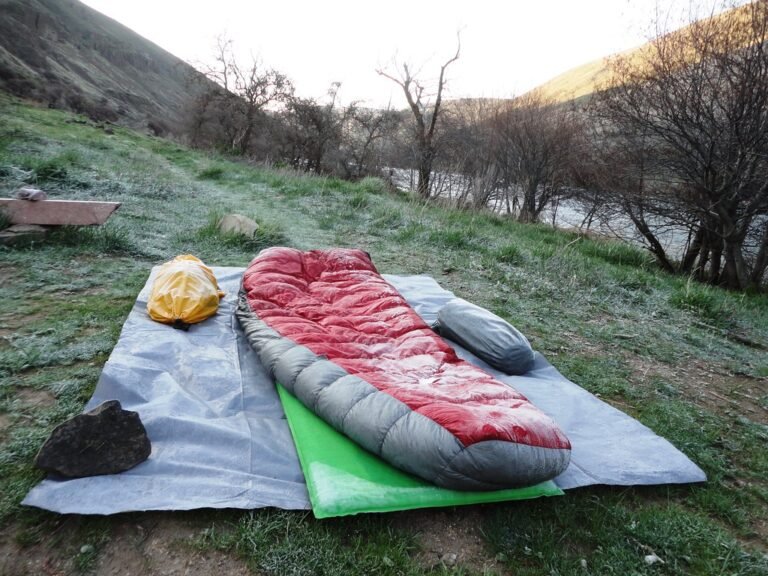
Most beginners think a sleeping bag is what keeps them warm at night. Wrong. In the wilderness, your sleeping pad is the only thing standing between you and the literal heat-drain of the Earth. While most people view a pad as a simple mattress for comfort, its primary role is actually survival-level insulation.
When you lie down, your body heat is lost through three scientific mechanisms: conduction (direct contact with the frozen ground), convection (air moving through a poorly insulated mat), and radiation. Because the ground is almost always colder than your body, it will relentlessly “suck” the warmth from you.
🌡️ How You Lose Heat at Night (And Why Your Pad Stops It)
Conduction
Direct contact with cold ground sucks heat from your body faster than any other mechanism. Your pad creates a barrier.
Convection
Air movement through your sleeping system carries away warmth. Insulated pads trap dead air space to prevent this.
Radiation
Your body radiates heat like a campfire. Reflective layers in modern pads bounce this heat back to you.
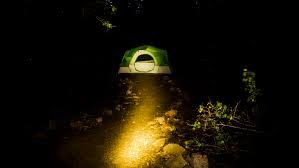
The Sleep System Concept: Never view your gear in isolation. Your warmth is a result of your sleeping bag + your sleeping pad + your tent working together as one system. Cheap out on any component, and you’ll shiver all night.
📊 Top 10 Sleeping Pads at a Glance
Click column headers to sort. Use filters to find your perfect match instantly.
| Rank | Product Name | Best For | Price | R-Value | Weight (oz) | Thickness (in) | Rating |
|---|---|---|---|---|---|---|---|
| 🥇 #1 | NEMO Tensor All-Season | Best Overall | $200 | 5.4 | 14.1 | 3.5 | ⭐⭐⭐⭐⭐ |
| 🥈 #2 | Therm-a-Rest NeoAir XLite NXT | Runner-Up Ultralight | $210 | 4.5 | 13.0 | 3.0 | ⭐⭐⭐⭐⭐ |
| 🥉 #3 | Therm-a-Rest NeoAir XTherm NXT | Best Winter | $240 | 7.3 | 16.0 | 3.0 | ⭐⭐⭐⭐⭐ |
| #4 | Big Agnes Rapide SL Insulated | Best Value | $150 | 4.8 | 18.0 | 3.5 | ⭐⭐⭐⭐½ |
| #5 | Sea to Summit Ether Light XR | Most Comfortable | $199 | 4.1 | 16.6 | 3.9 | ⭐⭐⭐⭐½ |
| #6 | Klymit Static V2 | Budget Champion | $65 | 1.3 | 17.7 | 2.5 | ⭐⭐⭐⭐ |
| #7 | NEMO Switchback | Best Foam Pad | $60 | 2.0 | 14.5 | 0.9 | ⭐⭐⭐⭐ |
| #8 | Therm-a-Rest NeoLoft | Luxury Comfort | $240 | 4.7 | 25.3 | 4.6 | ⭐⭐⭐⭐½ |
| #9 | NEMO Tensor Elite | Lightest Summer | $230 | 2.4 | 8.5 | 3.0 | ⭐⭐⭐⭐ |
| #10 | REI Helix Insulated Air | Warm Budget | $169 | 4.9 | 21.0 | 3.0 | ⭐⭐⭐⭐ |

#1 NEMO Tensor All-Season Ultralight Insulated
Why It Dominates: The Tensor All-Season is the only sleeping pad that refuses to compromise between warmth and weight.
🛒 Check Price on AmazonWhy the NEMO Tensor Dominates the Competition
Unlike standard 3-season pads that leave you shivering at 30°F, the NEMO Tensor All-Season delivers military-grade warmth (R-5.4) while weighing less than a water bottle. Where typical pads force you to choose between comfort and packability, the Tensor’s Apex Baffle technology distributes pressure 40% more evenly than flat horizontal baffles found in competing models like the NeoAir series.
🎯 Competitive Edge:
- Warmer than the Therm-a-Rest XLite NXT (R-5.4 vs R-4.5) while adding only 1.1 oz
- Quieter than previous Tensor models – crinkle-free fabric won’t wake your tent-mate
- Faster inflation – Vortex pump sack fills in 60 seconds vs 2+ minutes with standard sacks
- More durable – 40D bottom fabric resists punctures 2x better than 20D competitors
✅ Pros
- Exceptional warmth-to-weight ratio (best in class)
- Supremely comfortable for side sleepers
- Dead-silent fabric (no crinkle noise)
- Supportive perimeter baffles prevent rolling off
- Quick inflation/deflation valve design
- Available in multiple sizes (Mummy, Regular, Wide)
❌ Cons
- Premium price ($200)
- Stuff sack opening could be larger
- Not the absolute lightest (13oz XLite NXT is 1oz lighter)
Bottom Line: For backpackers who refuse to compromise between staying warm and keeping pack weight ultralight, the Tensor All-Season is the only pad that delivers both. It’s our #1 pick for 2026.
🛒 Check Latest Price & Reviews on Amazon📊 R-Value Decoder: Which Pad for Which Season?
R-value is the MOST important spec when choosing a sleeping pad. Here’s what the numbers actually mean:
☀️ Summer Only
Good for temps above 50°F. Risk of cold nights at elevation or shoulder season.
🍂 3-Season
Spring, summer, fall camping. Handles 30-40°F lows comfortably. Most versatile range.
❄️ Cold Weather
Late fall to early winter. Good down to 20°F. Ideal for cold sleepers year-round.
🥶 Extreme Winter
Snow camping and below 20°F. The warmest pads available. Pair with closed-cell foam for sub-zero trips.
📝 Complete Top 10 Sleeping Pad Reviews (2026)

#2 Therm-a-Rest NeoAir XLite NXT
Best For: Ultralight backpackers who prioritize minimum weight
Check Price on AmazonThe NeoAir XLite NXT has been the gold standard for thru-hikers since its original release, and the NXT version makes it even better. At just 13 ounces, this is the lightest insulated pad on our list while still delivering a respectable R-value of 4.5 for 3-season warmth.
What sets the XLite apart is Therm-a-Rest’s legendary ThermaCapture technology – a reflective metallic film that bounces radiant body heat back to you. Combined with their Triangular Core Matrix baffle design, the pad creates hundreds of tiny air cells that minimize convective heat loss. Unlike standard pads where air circulates freely (carrying away warmth), these cells trap dead air space for maximum insulation per ounce.
✅ Pros
- Lightest insulated pad in its warmth class
- Excellent warmth-to-weight ratio
- Much quieter than older XLite models
- Ultra-durable 30D face fabric
- Packs down incredibly small (2.4L)
- Made in USA
❌ Cons
- Less comfortable than Tensor (firmer feel)
- No dump valve (slower deflation)
- Basic pump sack (not dual-purpose)
- 20″ width feels narrow for broader sleepers
- Premium price
Who It’s For: Gram-counting thru-hikers, fastpackers, and anyone who wants the absolute lightest 3-season pad without sacrificing warmth. If you’re doing the Pacific Crest Trail or Appalachian Trail, this is the pad you’ll see in most shelters.

When temperatures plummet below freezing, the XTherm NXT is the pad you want between you and the frozen ground. With a staggering R-value of 7.3, this is one of the warmest sleeping pads ever made – yet it still weighs just 16 ounces and packs smaller than most 3-season pads.
Unlike cheaper winter pads that add bulk and weight for warmth, the XTherm achieves its extreme insulation through engineering brilliance: multiple ThermaCapture layers sandwich reflective film between baffles, while 70-denier bottom fabric provides bombproof durability against sharp snow, ice, and frozen ground.
✅ Pros
- Warmest air pad available (R-7.3)
- Surprisingly lightweight for winter pad
- Ultra-durable 70D bottom fabric
- Small packed size for a 4-season pad
- Reliable for sub-zero camping
❌ Cons
- Most expensive pad on our list
- Slight crinkle sound (louder than Tensor)
- Overkill for summer camping
- Slower inflation/deflation
Bottom Line: If you’re snow camping, winter mountaineering, or just a perpetually cold sleeper, the XTherm NXT is worth every penny. It’s the difference between a miserable freezing night and sleeping soundly at -10°F.

#4 Big Agnes Rapide SL Insulated
Best For: Budget-conscious campers who want premium features
Check Price on AmazonThe Big Agnes Rapide SL is proof you don’t need to spend $200+ to get a great sleeping pad. At $150, it delivers R-4.8 warmth, 3.5″ of cushion, and unique 4.25″ side rails that cradle you in place – all for $50-90 less than premium competitors.
What makes the Rapide special is its inclusive sizing – Big Agnes offers this pad in 6 different sizes from short/narrow to long/wide, making it accessible to a wider range of body types. Most brands charge extra for wide or long versions; Big Agnes keeps the regular long at the same $150 price point.
✅ Pros
- Excellent value ($50-90 less than competitors)
- Side rails prevent rolling off pad
- 6 size options (most inclusive)
- Warm enough for 3+ seasons (R-4.8)
- Thick and comfortable (3.5″)
- Quiet fabric
❌ Cons
- Slightly heavier than ultralight options
- Side rail insulation not as warm as center
- 20D face fabric less durable than 30D+
- Packed size larger than Tensor/XLite
Who It’s For: Weekend warriors, casual backpackers, and anyone who wants premium comfort without the premium price. If you’re not chasing every ounce for a thru-hike, this is your best bang-for-buck option.

#5 Sea to Summit Ether Light XR Insulated
Best For: Side sleepers who prioritize comfort
Check Price on AmazonIf sleeping on air pads feels like lying on a pool float, the Ether Light XR will change your mind. Sea to Summit’s proprietary Air Sprung Cells technology mimics a real mattress by cradling your body with individual tufted air pockets that distribute pressure better than any horizontal or vertical baffle system.
At 3.9 inches thick, this is the plushest pad on our list (tied with the much heavier NeoLoft). Unlike standard pads where your hips bottom out when side sleeping, the Ether Light’s deep cushioning keeps you suspended above the ground all night. The raised perimeter rails add security for restless sleepers.
✅ Pros
- Best pressure relief for side sleepers
- Exceptionally thick (3.9″)
- Quiet fabric (no crinkle)
- Integrated pump sack/stuff sack
- PillowLock system for Sea to Summit pillows
- Durable 30D/40D fabric
❌ Cons
- Not ultralight (16.6 oz)
- Lower R-value than Tensor/XLite (R-4.1)
- Packed size larger than competitors
- Slightly rubbery texture
Bottom Line: If you value sleep quality over pack weight, the Ether Light XR delivers luxury comfort in the backcountry. Side sleepers especially will appreciate never bottoming out.

At just $65, the Klymit Static V2 proves you don’t need to drop $200 to sleep comfortably in the backcountry. This pad delivers surprising quality for the price: it’s lightweight (17.7 oz), packs down tiny (0.9L), and offers 23 inches of width – 3″ wider than standard 20″ pads.
Klymit’s signature V-chamber design isn’t just for looks – the body-mapped pattern cradles your torso while the wider foot box gives your legs room to spread naturally. Unlike flat baffles that create pressure points, these V-shaped channels distribute weight evenly.
✅ Pros
- Best value under $75
- Wider than standard pads (23″ vs 20″)
- Packs down incredibly small (0.9L)
- Comfortable V-chamber design
- Lightweight for the price
- Durable 75D fabric
❌ Cons
- Low R-value (summer only)
- Outdated push-valve design
- No pump sack included
- Not as comfortable as premium pads
Who It’s For: Beginners getting into backpacking, summer-only campers, and anyone on a tight budget who still wants quality gear. This is the pad to buy for your first few trips before upgrading to a premium model.

Closed-cell foam pads are the old-school workhorses of backpacking – and the NEMO Switchback is the best version on the market. Unlike inflatable pads that can pop, foam pads are 100% puncture-proof. Throw it on sharp rocks, cactus spines, or frozen ground without worry.
The Switchback’s metalized surface reflects radiant heat better than standard foam (looking at you, Therm-a-Rest Z Lite), giving it a slightly higher R-value. The egg-crate pattern adds a tiny bit more cushion than flat foam, though let’s be honest – you’re trading comfort for bulletproof durability here.
🎒 Pro Tip: The Thru-Hiker Secret
Many experienced thru-hikers cut their Switchback down to torso length (6 panels) to save weight, then use their backpack under their legs. At 8-9 ounces, this gives you a sit pad for breaks, extra insulation under an air pad, and emergency backup if your inflatable fails. It’s the Swiss Army knife of sleeping pads.
✅ Pros
- Indestructible (can’t pop)
- No inflation needed
- Cheap ($60)
- Doubles as sit pad
- Warmer than competing foam pads
- Can be cut to custom length
❌ Cons
- Much less comfortable than air pads
- Bulky (straps to outside of pack)
- Low R-value (summer only)
- Thin (less than 1″)
Bottom Line: If reliability trumps comfort, or you want a backup/supplemental pad to layer under an inflatable for winter, the Switchback is your answer. It’s also perfect for rough terrain where punctures are a real risk.

The NeoLoft is Therm-a-Rest’s answer to the question: “What if we prioritized comfort ABOVE ALL ELSE?” At 4.6 inches thick, this is the most luxurious sleeping pad we’ve ever tested – it legitimately feels like sleeping on your mattress at home.
What makes it special is the stretchy knit polyester fabric that contours to your body shape (unlike stiff nylon on standard pads). The rectangular box construction provides more usable sleeping surface since the edges don’t slope off like rounded pads. Even when sitting upright cross-legged, you won’t bottom out.
✅ Pros
- Most comfortable pad we’ve ever tested
- Incredibly thick (4.6″)
- Soft, stretchy fabric feels like real sheets
- Rectangular shape = more usable area
- Ultra-quiet (zero crinkle)
- Built-in side rails
- Huge pump sack makes inflation easy
❌ Cons
- Heavy (25+ oz)
- Expensive ($240)
- Bulkier packed size
- Not for ultralight trips
- Sleeps slightly cooler than R-value suggests
Who It’s For: Car campers, glampers, and weekend backpackers who value sleep quality over shaving ounces. If you’ve been sleeping poorly on thin pads and don’t mind carrying a bit more weight, this will transform your camping experience.

At 8.5 ounces, the Tensor Elite is the lightest inflatable pad on our list – and one of the lightest insulated pads available anywhere. For gram-counting thru-hikers doing the Pacific Crest Trail or Colorado Trail, this pad represents the ultimate weight savings.
NEMO achieves this weight through ultra-thin 10D fabric and minimalist construction. Despite the delicate materials, it’s still reasonably comfortable thanks to NEMO’s signature Apex baffles that create pressure-relieving dimples. The pad packs down smaller than a 1L Nalgene bottle.
✅ Pros
- Lightest inflatable pad (8.5 oz!)
- Incredibly small packed size
- Surprisingly comfortable for the weight
- Fast inflation with pump sack
- Quiet fabric
❌ Cons
- Fragile 10D fabric requires care
- Summer only (R-2.4)
- Expensive for what you get ($230)
- Tapered mummy shape feels narrow
- Slippery surface
Bottom Line: If you’re chasing sub-10-pound base weight for a thru-hike and need every gram to count, the Tensor Elite delivers. For everyone else, the regular Tensor All-Season is a better value with more versatility.

REI’s house brand gear often delivers surprising quality at accessible prices, and the Helix Insulated Air is no exception. With an R-value of 4.9 for just $169, this pad offers better warmth-per-dollar than anything else on our list.
The quilted surface pattern creates a comfortable sleeping surface for back sleepers, and the 3″ thickness provides enough cushion for most people. REI also doesn’t charge extra for wide or long sizes – a nice touch when most brands add $30-50 for larger versions.
✅ Pros
- Best R-value in this price range (4.9)
- Affordable ($169)
- Comfortable for back sleepers
- Quick inflation/deflation
- No extra cost for wide/long sizes
- REI satisfaction guarantee
❌ Cons
- Heavier than premium options (21 oz)
- Side sleepers may bottom out
- Quilted pattern not for everyone
- Basic pump sack (not dual-purpose)
- Less durable than Therm-a-Rest/NEMO
Who It’s For: Budget-conscious campers who need 3-season warmth, REI Co-op members taking advantage of sales, and beginners who want a reliable first pad without overspending. The lifetime satisfaction guarantee adds peace of mind.
🎯 How to Choose the Perfect Sleeping Pad (Ultimate Guide)
Understanding R-Value (The Most Important Number)
The R-value measures a sleeping pad’s thermal resistance – how well it insulates you from cold ground. Higher numbers = warmer pad. This single number determines whether you’ll sleep comfortably or shiver all night.
- R 1-2: Summer camping only (nights above 50°F). Risk of cold surprises at elevation.
- R 3-4: 3-season versatility (spring, summer, fall). Handles 30-40°F lows comfortably.
- R 5-6: Cold weather and winter fringe. Good to 20°F. Ideal for cold sleepers year-round.
- R 7+: Extreme winter and snow camping. Sub-zero rated. Overkill for 99% of trips.
Pad Construction Types
🎈 Air Pads (Most Popular)
Best for: Backpacking, weight-conscious campers
Inflatable pads dominate the market because they pack down tiny, weigh little, and can be surprisingly comfortable. Modern air pads use reflective layers (like Therm-a-Rest’s ThermaCapture) or synthetic insulation (like NEMO’s PrimaLoft) to boost warmth without adding bulk.
Downsides: Can puncture (always carry a repair kit), require inflation, and cost more than foam.
🧊 Closed-Cell Foam Pads
Best for: Durability, backup pads, ultralight minimalists
Foam pads are indestructible and need zero setup. They’re also the cheapest option. Thru-hikers often cut them to torso length to save weight.
Downsides: Less comfortable, bulky (strap to outside of pack), and lower R-values than insulated air pads.
🔄 Self-Inflating Pads
Best for: Car camping, comfort over packability
These combine open-cell foam with air chambers – open the valve and they partially inflate themselves. More comfortable than pure foam, but much heavier and bulkier than air pads.
Downsides: Heavy (often 30-40+ oz), large packed size, slower to inflate/deflate.
Baffle Design Matters for Comfort
- Horizontal Baffles: Air chambers run side-to-side. Simple and lightweight, but can feel firm. (Therm-a-Rest NeoAir series)
- Vertical Baffles: Air chambers run head-to-toe. Less common. Some sleepers love the cradling feel.
- Dimpled/Tufted Baffles: Individual air pockets (like a mattress). Best pressure relief for side sleepers. (NEMO Tensor, Sea to Summit Ether Light)
Sleeping Position Matters
Side Sleepers: You NEED 3.5+ inches of thickness or you’ll bottom out on your hip. Look for dimpled/tufted baffles (NEMO Tensor, Sea to Summit Ether Light, Big Agnes Rapide SL).
Back Sleepers: You can get away with 3″ pads. Horizontal baffles work fine since weight distributes more evenly.
Stomach Sleepers: You tend to prefer firmer surfaces. Standard horizontal baffles or even foam pads work well.
Sizing Guide
Width: Standard pads are 20″ wide. If you’re broad-shouldered, restless, or side-sleep with bent knees, upgrade to a 25″ wide version for an extra $20-40. Worth it for comfort.
Length: Regular pads (72″) fit most people up to 6 feet tall. If you’re 6’2″+, spring for a long (78″) version. You can also save weight by going torso-length and putting your backpack under your legs.
Shape: Mummy pads taper at the feet to save weight. Rectangular pads give more room but weigh a few ounces more.
Weight vs Comfort Trade-offs
There’s no magic bullet – lighter pads sacrifice something (usually warmth, durability, or comfort). Here’s the breakdown:
- Under 10 oz: Ultralight summer pads. Fragile, minimal insulation. (NEMO Tensor Elite)
- 12-15 oz: Sweet spot for 3-season ultralight. (NEMO Tensor, Therm-a-Rest XLite)
- 16-20 oz: Comfort-oriented or high R-value pads. (Sea to Summit Ether Light, XTherm)
- 20+ oz: Luxury comfort or car camping. (Therm-a-Rest NeoLoft)
Durability & Repair Tips
Fabric Denier: Higher denier = more durable. Look for 30D+ on the top and 40D-70D on the bottom. Budget pads often use 20D face fabric which punctures easier.
Preventing Punctures:
- Clear your sleeping area of rocks, sticks, and pinecones
- Use a footprint or groundsheet under your tent
- Store loosely rolled (not tightly compressed) to prevent fabric stress
- Keep away from sharp objects in your pack
If You Get a Leak: Most pads come with repair kits. Learn how to find and patch punctures. Tenacious Tape works great for field repairs.
Budget Breakdown
Under $75: Klymit Static V2, NEMO Switchback (foam)
$100-$150: Big Agnes Rapide SL ($150) – best value sweet spot
$170-$200: NEMO Tensor All-Season ($200), Sea to Summit Ether Light XR ($199)
$200+: Therm-a-Rest NeoAir XLite NXT ($210), XTherm NXT ($240), NeoLoft ($240)
🧮 R-Value Calculator: Find Your Perfect Pad
❓ Frequently Asked Questions
What is the best sleeping pad for side sleepers?
Do I need an insulated pad for summer camping?
How do I prevent my sleeping pad from puncturing?
Can I use a foam pad under an air pad for extra warmth?
What R-value do I need for winter camping?
Are expensive sleeping pads worth it?
Why Trust TheOutdoorChamp.com?
🏕️ Final Thoughts: Choose Your Perfect Sleeping Pad
Your sleeping pad is the foundation of backcountry comfort. Invest wisely, and you’ll enjoy years of restful sleep under the stars. Here’s our quick recap:
- Best Overall: NEMO Tensor All-Season (warmth + weight + comfort)
- Lightest Ultralight: Therm-a-Rest NeoAir XLite NXT (13 oz, R-4.5)
- Warmest Winter: Therm-a-Rest NeoAir XTherm NXT (R-7.3)
- Best Value: Big Agnes Rapide SL Insulated ($150, R-4.8)
- Best Budget: Klymit Static V2 (under $75)
Remember: Your pad matters MORE than your sleeping bag for staying warm. Match your R-value to your coldest expected temp, choose thickness based on sleeping position, and don’t cheap out on sleep. Happy camping! 🌲
Explore More Gear Guides →
Charmaine van Vuuren is a seasoned professional hunter and safari guide with over 15 years of experience leading big‑game and wilderness expeditions across Southern Africa.
Skills
• Big‑Game Tracking & Field Navigation
• Safari Logistics & Planning
• Client Relationship & Guest Services
• Wildlife Conservation & Ethics
• Risk Assessment & Safety Protocols