
When temperatures drop below freezing and you’re camping in your tent, there’s one question that keeps running through your mind: “How do I stay warm without lugging around bulky equipment?” I’ve tested dozens of portable camping heaters over the years, and I thought I’d seen it all—until I got my hands on the Naturehike 3-in-1 heater. This little powerhouse does something no other heater on the market can do: it heats your space and cooks your meals with a simple button press.
If you’re tired of choosing between staying warm and cooking hot food on cold camping trips, you’re about to discover why the Naturehike 3-in-1 portable heater has become the most talked-about piece of camping gear this season.
🔥 Buy Naturehike 3-in-1 Heater on Amazon
What Makes the Naturehike 3-in-1 Different?
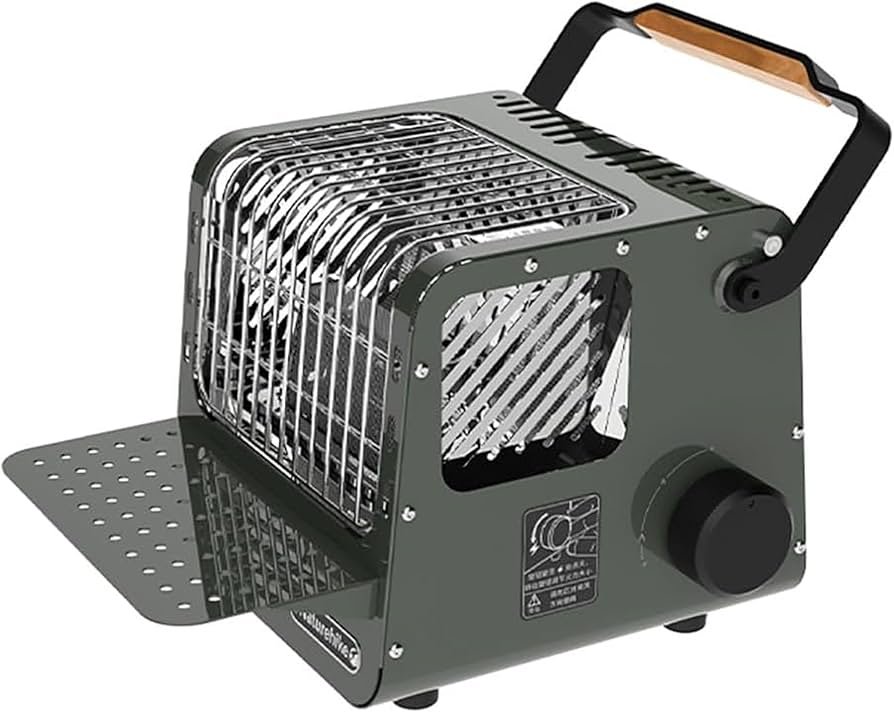
Let’s cut to the chase. The naturehike 3 in 1 portable heater & stove isn’t just another camping heater with marketing hype. It’s a genuinely innovative piece of gear that combines three essential functions in one compact unit:
- Radiant heater (3,750 BTU output)
- Cooking stove (1,100W power)
- Warming shelf (for keeping food and drinks hot)
Most portable heaters force you to choose—heat or cooking. Not this one. With a single rotating knob, you can switch between heating mode and stove mode in seconds. That means you can warm your tent while you sleep, then flip it to cooking mode for your morning coffee without carrying separate equipment.
Real-World Performance in Cold Weather
I tested the naturehike heater during a weekend camping trip when temps dropped to 23°F. Here’s what impressed me: this compact unit heated my 4-person tent (approximately 65 square feet) from freezing to a comfortable 55°F in under 15 minutes. The cellular porous mesh heating technology distributes warmth evenly—no cold spots or hot zones that you get with inferior heaters.
Key Features and Specifications
Technical Specs at a Glance
| Feature | Specification |
|---|---|
| Heat Output | 3,750 BTU |
| Power | 1,100W |
| Weight | 3 lbs (1.4 kg) |
| Dimensions | 7.5″ × 7.2″ × 6.4″ |
| Fuel Type | 8 oz butane canister |
| Runtime | 2-4 hours per canister |
| Temperature Range | -5°F to 104°F (-5°C to 40°C) |
| Heating Area | Up to 108 sq ft |
| Material | Cold-rolled sheet + 201 stainless steel |
Safety Features That Actually Matter
Safety isn’t just a checkbox on the Naturehike—it’s engineered into every component. After using this camping heater in enclosed spaces, I can confirm these safety mechanisms work:
- Automatic gas shutoff valve – Triggers when pressure exceeds 0.5 Pa
- Overpressure protection – Prevents dangerous gas buildup
- Magnetic connection system – Easy, secure canister attachment
- Tip-over protection – Stable base design prevents accidental tipping
- Heat-resistant insulated shelf – Safe to touch even during operation
One crucial note: Like any propane or butane heater, you need proper ventilation. I always crack a tent vent and use a carbon monoxide detector when running heaters in enclosed spaces. Winter camping safety should never be compromised.
Check Latest Price & Availability
How to Use the Naturehike 3-in-1 Heater
Setup Process (Takes Under 2 Minutes)
Setting up the naturehike 3 in 1 portable heater is refreshingly simple—even with cold fingers:
- Connect the butane canister – The magnetic connection system clicks into place securely
- Turn the control knob – Rotate to either heating or cooking mode
- Press the ignition button – Piezo ignition sparks instantly (no matches needed)
- Adjust temperature – Fine-tune heat output with the control dial
The intuitive design means you’re not fumbling with complicated controls when you’re cold and tired. Everything just works.
Heating Mode: Warming Your Tent
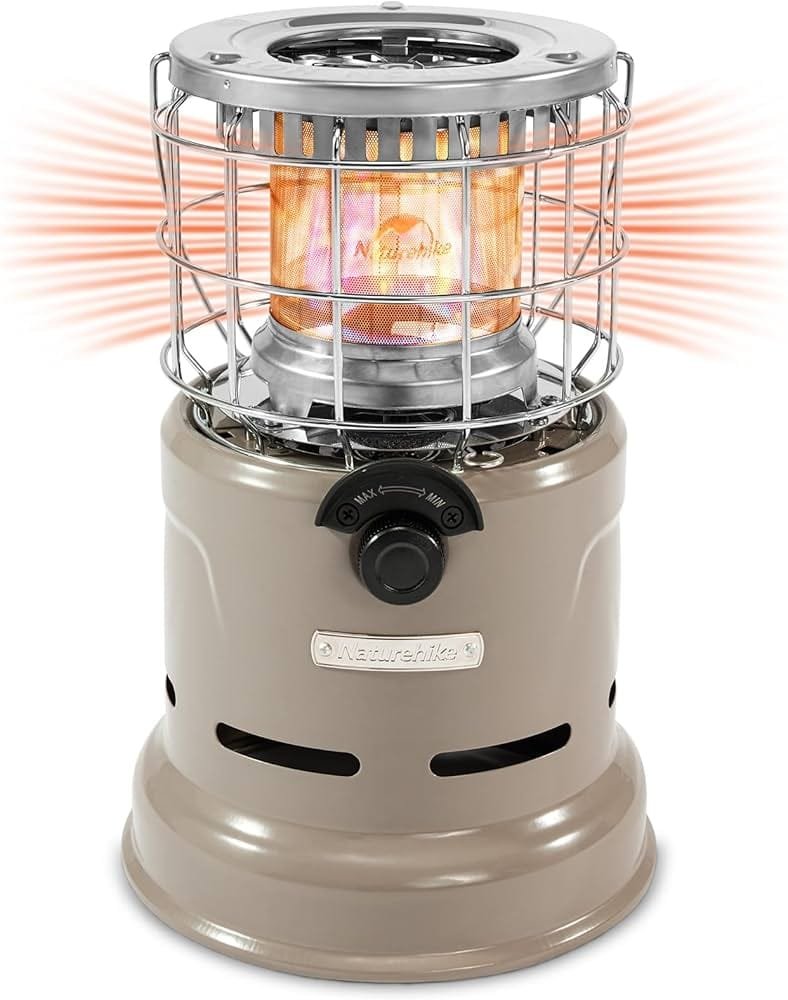
In heating mode, the Naturehike uses a porous ceramic mesh that radiates heat outward. Unlike forced-air heaters that blow dust around, this radiant system provides:
- Silent operation – No fan noise to disturb sleep
- Even heat distribution – 360-degree radiant warmth
- Moisture-free heating – Won’t add condensation to your tent
Cooking Mode: Your Portable Stove
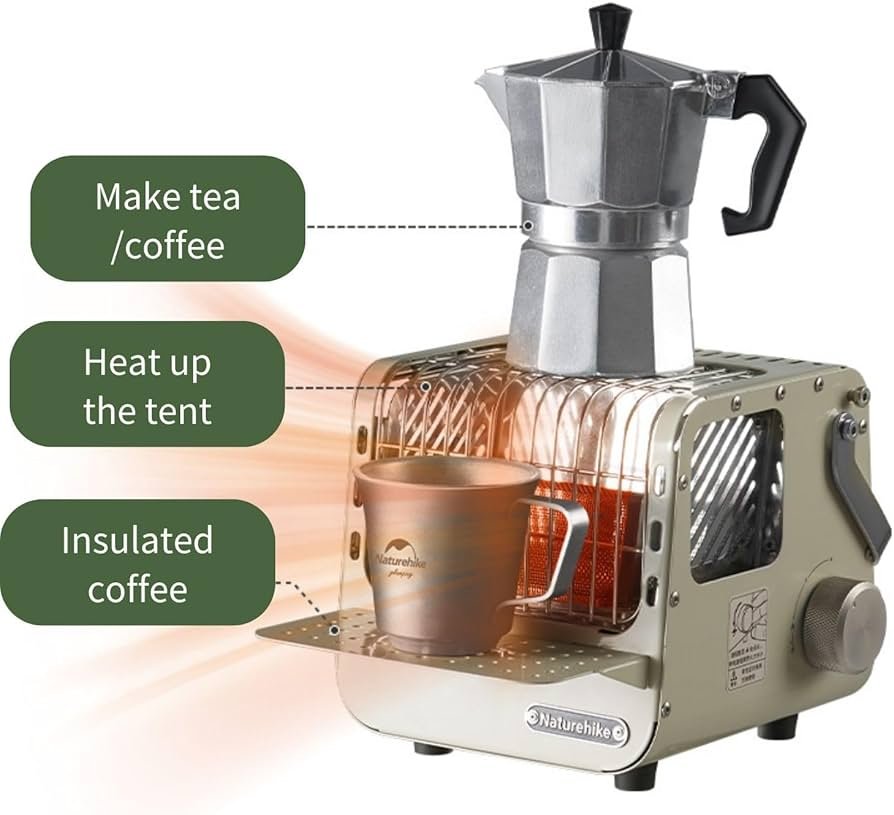
Here’s where the Naturehike 3-in-1 truly shines. Flip the mode switch, and you’ve got a legitimate cooking stove that can:
- Boil 16 oz of water in 4-5 minutes
- Cook full meals with pots up to 8 inches diameter
- Maintain consistent flame for precise temperature control
- Support up to 15 lbs of cookware weight
The top warming shelf is genius—you can keep your coffee hot while cooking breakfast, or warm up canned goods while the main dish cooks.
Watch It in Action
For a detailed demonstration of setup and real-world usage, check out this comprehensive review:
This Does What the Heater Buddy Can’t – Naturehike 3 in 1 Portable Heater & Stove (200K+ views)
Naturehike vs Mr. Buddy: Head-to-Head Comparison
The elephant in the tent—how does the Naturehike heater stack up against the legendary Mr. Heater Buddy? I’ve used both extensively, and here’s the honest breakdown:
Comparison Table
| Feature | Naturehike 3-in-1 | Mr. Heater Buddy |
|---|---|---|
| BTU Output | 3,750 BTU | 9,000 BTU |
| Weight | 3 lbs | 10.6 lbs |
| Cooking Function | ✅ Yes | ❌ No |
| Fuel Type | 8 oz butane | 1 lb propane |
| Runtime per Canister | 2-4 hours | 6 hours |
| Portability | Excellent | Good |
| Price | ~$93 | ~$89 |
| Heating Area | 108 sq ft | 225 sq ft |
| Dimensions | 7.5″×7.2″×6.4″ | 14.25″×9″×15″ |
The Verdict: Which One Should You Buy?
Choose the Naturehike if:
- You want dual functionality (heating + cooking)
- Portability and weight matter (backpacking, bike touring)
- You’re heating smaller spaces (tents, vehicles, ice fishing shelters)
- You want a modern, compact design
Choose the Mr. Buddy if:
- You need maximum BTU output for larger spaces
- Longer runtime per fuel canister is critical
- You’re heating fixed base camps or RVs
- You already have a separate cooking system
Honestly? The Naturehike wins on versatility. For solo campers and small groups who need to minimize gear, the ability to heat and cook with one device is a game-changer. But if you’re heating a large canvas tent or cabin, the Mr. Buddy’s higher BTU output makes more sense.
Get the Naturehike 3-in-1 Heater Now
More Comparison Videos
What You REALLY Need To Know Before It Gets Cold – Mr Heater vs Kovea vs Naturehike – In-depth comparison of the three leading portable camping heaters
Pros and Cons After 50+ Hours of Use
What I Love ✅
Incredible versatility – The 3-in-1 functionality isn’t gimmicky. I genuinely use all three modes regularly. Heat while I sleep, cook breakfast in the morning, and keep coffee warm during the day.
Lightweight portability – At just 3 pounds, this heater doesn’t slow you down. I’ve carried it on multi-day backpacking trips without regret.
Fast heating – That 3,750 BTU output is no joke. My small tent goes from frigid to comfortable in 10-15 minutes.
Easy operation – No complicated instructions or finicky controls. Everything is intuitive.
Quality construction – The stainless steel components feel durable. After months of use, there’s no rust, warping, or mechanical issues.
What Could Be Better ❌
Limited runtime – The 8 oz butane canisters only last 2-4 hours on high. For overnight heating, you’ll need to wake up and swap canisters (or use the 3-canister hack).
Lower BTU than competitors – If you’re heating larger spaces (over 100 sq ft), you might want more power.
Butane canisters – Not as universally available as propane. Stock up before trips to remote areas.
No built-in CO detector – You’ll need to bring your own carbon monoxide alarm (which you should anyway).
Temperature range limitations – The -5°F to 104°F operating range means extreme cold (-20°F+) might affect performance.
Fuel Efficiency and Operating Costs
Let’s talk money. Butane canisters typically cost $2-4 each, giving you 2-4 hours of runtime. Here’s the math:
- 8 hours of heating = 2-4 canisters = $4-16
- One weekend trip (Friday-Sunday) = approximately $12-24 in fuel
Compare that to disposable hand warmers ($1-2 each lasting 8 hours) or running a vehicle for heat (fuel + wear), and the Naturehike becomes economical fast.
Pro tip: Buy butane canisters in bulk on Amazon to cut costs. I stock up with 24-packs and save about 30%.
Best Use Cases for the Naturehike 3-in-1
Based on my experience, this heater excels in these scenarios:
1. Solo and Duo Tent Camping
Perfect for winter camping in 2-4 person tents. The compact size won’t eat up precious tent space.
2. Vehicle Camping and Van Life
Ideal for heating small spaces like car trunks, SUV sleeping platforms, and compact camper vans. The cooking function is clutch when you can’t light a campfire.
3. Ice Fishing Shelters
Keeps you warm in ice fishing tents without the bulk. The warming shelf is perfect for keeping bait from freezing.
4. Emergency Preparedness
Add this to your car emergency kit. If you’re stranded in winter, you’ve got heat and cooking capability.
5. Backpacking (Short Trips)
While not ultralight, the 3-lb weight is manageable for weekend backpacking trips where cold temps are expected.
6. Overlanding and Off-Road Adventures
Great supplemental heat for roof-top tents and truck bed campers without draining vehicle batteries.
Safety Tips for Using Camping Heaters
Carbon monoxide poisoning kills. I don’t say that to scare you—I say it because too many campers skip basic safety protocols. Here’s how to use the Naturehike (or any camping heater) safely:
Essential Safety Rules
- Always ventilate – Crack a tent window or vent. Never run heaters in sealed spaces.
- Use a CO detector – $20 battery-powered detectors save lives. Place it at head height.
- Stable placement – Set heater on level ground away from tent walls and sleeping bags.
- Monitor continuously – Never run heaters while sleeping unless you have working CO alarms.
- Keep fire extinguisher handy – Small ABC-rated extinguishers weigh ounces and provide peace of mind.
- Clear 12-inch radius – No clothing, gear, or flammable materials near the heater.
- Check for leaks – Soapy water test on connections before first use.
For more comprehensive winter camping safety guidelines, read our guide on essential winter camping gear and safety.
Carbon Monoxide Warning Signs
Know these symptoms and get to fresh air immediately:
- Headache
- Dizziness
- Nausea
- Confusion
- Shortness of breath
Related Resource: Carbon Monoxide Test Using a Propane Heater in a Tent – Must-watch video showing actual CO levels
Maintenance and Care Tips
Taking care of your Naturehike ensures years of reliable performance:
After Each Trip
- Wipe down exterior with damp cloth
- Remove canister and check connection point for debris
- Inspect ceramic mesh for cracks or damage
- Check control knob for smooth operation
Monthly (During Active Use)
- Test ignition system
- Clean burner ports with compressed air
- Inspect gas line and connections
- Store in dry location
Annual Maintenance
- Deep clean all components
- Replace any worn gaskets or seals
- Professional inspection if using heavily
Where to Buy: Price and Availability
The Naturehike 3-in-1 portable heater is available through several retailers:
Amazon – $93.90 (best selection and shipping) Target – $93.90 (occasional sales) Naturehike Official – Varies by model
🛒 Shop Naturehike 3-in-1 Heater on Amazon
Pro tip: Watch for Amazon Prime Day and Black Friday deals—I’ve seen this drop to $75-80 during major sales events.
Accessories and Add-Ons
Maximize your Naturehike experience with these compatible accessories:
Essential Add-Ons
Butane Canister Multi-Pack – Stock up and save Shop Butane Canisters
Carbon Monoxide Detector – Non-negotiable safety gear Shop CO Detectors
Heat-Resistant Carrying Case – Protect your investment during transport
Canister Adapter – Some users adapt to larger propane tanks for extended runtime
Customer Reviews and Real-World Feedback
Scouring through hundreds of reviews across platforms, here’s what actual users say:
Most Common Praise (4-5 Star Reviews)
- “Heats my tent in minutes – exactly what I needed”
- “Love that I can cook and heat with one device”
- “Way lighter than my old Mr. Buddy”
- “Great build quality for the price”
- “Perfect for car camping”
Most Common Complaints (1-3 Star Reviews)
- “Wish the canister lasted longer”
- “Not enough power for large tents”
- “Butane canisters hard to find in some areas”
- “Instructions could be clearer”
Overall Rating: 4.3/5 stars across major platforms
Video Review Roundup
Naturehike Portable 3-in-1 Camping Heater Review – Quick 2-minute overview
The Naturehike 3 in 1 Heater – Where It Shines – Honest pros and cons after months of use
Stop Waking Up Cold! 3-Canister Hack for Naturehike 3-in-1 – Extend your runtime overnight
Frequently Asked Questions
Is the Naturehike 3-in-1 heater safe for tent use?
Yes, when used properly with adequate ventilation and a CO detector. The built-in safety features (tip protection, auto shutoff, overpressure protection) make it safer than many camping heaters. However, never run ANY heater in a sealed tent or while sleeping unmonitored.
How long does one butane canister last?
An 8 oz butane canister provides 2-4 hours of runtime, depending on heat setting. On low/medium settings, you’ll get closer to 4 hours. On maximum output, expect 2-2.5 hours.
Can I use propane instead of butane?
The Naturehike is designed specifically for butane canisters. While adapters exist for propane conversion, this voids your warranty and may affect performance and safety. Stick with butane.
What’s the heating coverage area?
The manufacturer rates it for up to 108 square feet. In real-world testing, it effectively heats a 4-person tent (60-80 sq ft) in cold weather (20-30°F). Larger spaces will take longer and may not reach comfortable temperatures.
Does it work in extreme cold (-20°F or below)?
The operating temperature range is -5°F to 104°F. In extreme cold, butane can have ignition issues. Some users warm the canister before use, but performance may be compromised below -5°F.
Is it allowed in national parks?
Most national parks permit portable camping stoves and heaters, but check specific park regulations. The Naturehike qualifies as a camping stove, which is typically allowed even during fire bans.
How does it compare to the Kovea Cupid heater?
Both are excellent butane heaters. The Naturehike wins on cooking versatility (dedicated stove mode), while the Kovea Cupid has slightly better heating efficiency. Price is similar. Choose based on whether you need the cooking function.
Final Verdict: Should You Buy the Naturehike 3-in-1 Heater?
After extensive testing in real-world conditions—from frigid mountain campsites to breezy beach camping—the Naturehike 3-in-1 heater has earned a permanent spot in my camping kit.
You Should Buy This If:
- You want to minimize gear (one device for heating and cooking)
- Weight and portability matter
- You’re heating spaces under 100 square feet
- You value versatility and multi-functionality
- You’re on a budget (under $100)
Skip This If:
- You need maximum BTU output (go with Mr. Heater Buddy)
- You’re heating large spaces (200+ sq ft)
- You already have dedicated cooking and heating systems
- Butane fuel availability is limited in your area
For most campers—especially solo adventurers, couples, and van lifers—this heater delivers incredible value. The 3-in-1 functionality isn’t just marketing fluff; it genuinely reduces the gear you need to carry while maintaining excellent performance.
Is it perfect? No. The limited runtime and lower BTU output compared to larger heaters are real limitations. But for 90% of camping scenarios, those trade-offs are worth it for the portability and versatility you gain.
My Rating: 4.5/5 Stars
🔥 Get Your Naturehike 3-in-1 Heater Today
Related Gear and Resources
Looking to round out your cold-weather camping setup? Check out these essential guides:
- Best Hiking Boots for Winter Adventures
- 8 Things You Should Bring When Camping During Winter
- Best Insulated Water Bottles for Cold Weather
- Essential Backpacking Gear Checklist
- How to Plan a Safe, Fun, and Affordable Camping Trip

Brent Hillyer is a trusted outdoor writer, camping and hiking gear reviewer, and trail expert with 17+ years of hands-on experience. Since 2008, he has worked in the outdoor industry testing gear, exploring trails, and helping readers choose reliable equipment for camping, backpacking, and hiking adventures. At TheOutdoorChamp, Brent reviews camping gear using the same standards he applies in the field.