Age-by-age gear advice, real booking windows, a budget breakdown, and answers to the questions camping parents actually ask on Reddit.
Here’s the thing nobody tells you: most family camping guides were written for adults, not parents navigating the reality of camping with a 4-year-old who refuses to sleep and a 10-year-old who declared they were bored before you finished pitching the tent.
Planning a family camping trip is genuinely different from planning any other kind of trip. The stakes are higher, the variables are wilder, and the margin for error is smaller when there’s a hungry toddler in the equation. What works for a childless couple with ultralight gear doesn’t translate.
This guide covers the 8 most critical planning decisions — with specific gear recommendations by age, a real budget breakdown, booking lead times sourced from Recreation.gov release windows, and direct answers to the questions Reddit camping parents actually upvote. Bookmark it. You’ll come back to it.

Involve Your Kids in Family Camping Planning — Science Says It Works
The answer is almost always: they weren’t involved in the decision-making. Self-determination theory — one of the most replicated frameworks in developmental psychology — found that children who participate in decisions show significantly higher compliance and enjoyment, roughly twice that of children who are told what will happen (Ryan & Deci, 2000, American Psychologist). The principle is simple: ownership creates investment.
This doesn’t mean handing a 5-year-old a map and asking where they want to camp. It means giving age-appropriate choices within guardrails you’ve already set.
| Age Group | Let Them Decide | Pre-decide for Them |
|---|---|---|
| 3–5 years | Snack picks, stuffed animal to bring, tent color preference | Campsite, all gear, safety rules |
| 6–9 years | Activity priority list, breakfast choice, campfire snack role | Campground, drive length, equipment |
| 10–12 years | Campground shortlist vote, day trip itinerary order | Budget, booking platform, safety protocols |
| 13+ years | Full co-planner: gear research, route planning, activity choices | Final veto on safety and budget only |
Hold a 15-Minute Family Camping Planning Meeting
Do this 2–3 weeks before the trip, not the night before:
- Show, don’t tell. Pull up photos of the campground on your phone. Let them see where they’re sleeping, what the bathrooms look like, whether there’s a playground.
- Vote on the activity list. List 6–8 possible activities (hiking, fishing, kayaking, campfire cooking, stargazing, swimming). Everyone ranks their top 3. Build the itinerary around the overlaps.
- Assign jobs. Kids 6+ can “own” a packing category: one is in charge of the game bag, one owns the snack list. Ownership means they can’t complain the snacks are wrong.
Choose the Right Type of Camping for Your Family
You’re not crazy, but tent camping cold-turkey with a toddler isn’t the optimal starting point. There’s a spectrum of camping experiences, and matching your family’s first trip to the right spot on that spectrum is the single most important decision you’ll make. A mismatched first trip is the #1 reason families never camp again.
| Type | Best For | Cost/Night | Kid Comfort | Book Ahead |
|---|---|---|---|---|
| Tent camping | Ages 6+, experienced campers | $20–$45 | Moderate | 3–6 months peak |
| Car camping | All ages, first-timers | $25–$55 | High | 2–4 months peak |
| Cabin / Yurt | Toddlers, first-timers, cold weather | $75–$200 | Very High | 6–12 months peak |
| Glamping | Comfort-first families | $150–$400 | Very High | 4–8 months peak |
| Backpacking | Ages 10+, experienced hikers | $0–$15 permit | Low | Permit lottery |
🌲 Which Camping Type Is Right for Your Family? (3-Question Decision Tree)

Pack Camping-Appropriate Clothes: The Age-by-Age Gear Guide
3a. The “Cotton Kills” Rule — Explained for Parents
Cotton is the enemy of comfortable camping, especially for kids who sweat and then sit still. Cotton absorbs moisture and holds it. A wet cotton shirt loses virtually all of its insulating ability and can take 8–12 hours to air dry in camp conditions. If your child sweats on a hike and then cools down at the campfire wearing cotton, they’ll be cold within 20 minutes even if the temperature hasn’t dropped.
What to pack instead: merino wool or synthetic (polyester-based) fabrics for base layers, fleece for mid-layers, and a waterproof shell on top. This three-layer formula keeps kids comfortable across a wide temperature range:
3b. Age-Specific Packing List
Merino Wool Kids Base Layer Set
Ages 0–3 (Babies and Toddlers): Pack three times as many layers as you think you need — toddlers run through clothing faster than any other age group. A fleece onesie for night temperatures is non-negotiable. Add a UV-protective sun hat, sun-protective clothing for daytime, and bootie socks for cold mornings. For sleeping: a wearable sleep sack rated for the expected low temperature, never a loose sleeping bag.
Ages 4–8: Two synthetic base layers, one fleece mid-layer, and a waterproof rain jacket that is not optional under any circumstances. Hiking-appropriate closed-toe shoes (not sandals on trails). A child-sized headlamp they can operate themselves — this is both practical and deeply exciting to a 7-year-old.
Ages 9–12 and Teens: Youth versions of the adult packing list apply. Add a personal hygiene kit — this age group reliably forgets deodorant. Consider a kids’ sleeping bag rated 10°F below the expected overnight low; cold sleepers are miserable sleepers.
3c. Sleep System by Age
| Age | Sleeping Bag Temp Rating | Sleeping Surface | Notes |
|---|---|---|---|
| 0–2 | Wearable sleep sack — not a bag | Pack-n-Play or parent’s arms | Safety: no loose bedding in bags for infants |
| 3–5 | 30–40°F rated kids’ bag | Self-inflating pad | Mummy bags can feel claustrophobic for toddlers |
| 6–11 | 20–35°F rated youth bag | Foam pad or camp cot | Pad insulation R-value matters as much as bag rating |
| 12+ | Standard adult 20°F bag | Cot or sleeping pad preferred | Ground sleeping gets cold fast — a cot adds air insulation |
Consider Staying Local for Your First Family Camping Trip
Close to home, every time, for the first trip. KOA’s 2023 North American Camping Report found that 61% of family first-timers camp within 100 miles of home — and they report higher trip satisfaction than families who travel further. The reason isn’t surprising: proximity reduces the stakes.
The practical rule: keep your first family camping trip under 2 hours from your front door. If the trip goes sideways — weather turns, a child gets sick, everyone melts down by 4 PM — you can pack up and be home by dinner without losing a $400 flight or a non-refundable resort booking. That freedom to bail changes the whole emotional texture of the trip. You’re exploring, not committed.
To find campgrounds within a set radius, use Recreation.gov’s map search and draw a radius around your city. Filter by “family” amenities. State park websites usually have their own search tools, and many state parks are genuinely excellent family camping destinations that out-compete national parks on amenities per dollar.
Investigate Family Camping Amenities Before You Book
The honest answer: flush toilets matter more than anything else, and most guides won’t tell you that. The moment you’re squatting over a pit toilet with a half-asleep 4-year-old at 2 AM, you will understand why this is non-negotiable for family trips with younger children. After flush toilets: a pool or water access comes second, and ranger-led programming comes third.
To objectively compare campgrounds before booking, use this scoring framework:
🏕️ Family Amenity Score (Rate Each Campground /8)
To find programming calendars: check Recreation.gov’s campground detail pages, state park websites, and call the campground directly. Pro tip: call on Tuesdays — staff have more time to talk and will often share unpublished event schedules that aren’t posted online yet.

Find Local Attractions — The Basecamp Strategy for Family Camping
The most satisfied camping families treat their campsite the way business travelers treat a hotel: as a base of operations, not the destination itself. KOA’s 2022 report found families who plan day trips from their campsite report 40% higher overall trip satisfaction compared to families who stay on campground only for the full duration.
The “Basecamp Radius” framework: before booking, pull up Google Maps and draw mental circles at 30, 60, and 90 minutes from the campground. What’s there? Swimming holes, state parks, minor league baseball games, local diners, museums, waterfall hikes, kayak rentals? A campground with a 3/8 amenity score can become an excellent base if there’s a river gorge 20 minutes away.
Best tools for researching what’s nearby:
- Campendium.com — user reviews often mention nearby activities that don’t appear in official descriptions
- AllTrails — filter by “kid-friendly” and distance from campground; check trail reviews for notes on difficulty with young children
- State tourism boards — search “[state] tourism” for official activity calendars including county fairs, seasonal events, and festivals near your dates
- Google Maps “camping near [city]” + clicking surrounding pins reveals parks, boat launches, and swimming areas that don’t appear on camping sites
Book Your Family Campsite Early — With Real Booking Window Data
Yellowstone’s Madison Campground opens for reservations on March 1 for the entire season. If you want a spot for the July 4th week, you need to be on Recreation.gov at 8:00 AM Mountain Time on March 1. Not 8:01. This isn’t an exaggeration — peak dates at popular national parks sell out in under 2 minutes from the moment reservations open.
| Campground Type | Peak Season Window | Platform | Pro Tip |
|---|---|---|---|
| National Park front-country | 6 months in advance | Recreation.gov, 8 AM MST | Set a phone alarm for the exact release date |
| State park cabin / yurt | 4–6 months ahead | Varies by state | Check your state’s park reservation site directly |
| State park tent site | 2–4 months ahead | Varies by state | Weekday arrivals have far more availability |
| Private KOA / campground | 1–3 months ahead | Campground direct site | Often have cancellation spots released weekly |
| First-come-first-served | Day-of arrival | None needed | Arrive before 10 AM — most sites turn over by then |
How Recreation.gov release windows work: most national park campgrounds open reservations exactly 6 months before the desired date, at 8 AM Mountain Time. So for July 4th, the release window opens January 4th. The site queues users — having an account set up with payment info saved in advance is essential. Do a dry run a few days before: log in, navigate to the campground, and get familiar with the booking flow so you’re not fumbling on release day.
What if everything is booked? Fallback strategy in order of success rate: (1) check back 48 hours before your desired date — cancellations spike then; (2) book weekday dates instead of weekend dates; (3) look at shoulder season — late May or September often has identical weather and 80% fewer bookings; (4) search for first-come-first-served sites within 30 miles.
Make Your Family Camping Meal Plan (With Budget + Prep Timeline)
Food is the most underbudgeted line item in family camping, and it’s the one that makes or breaks the trip. Hungry kids at a campsite with no restaurant nearby is a crisis. But camping food doesn’t have to be expensive — it just has to be planned. Here’s the honest cost breakdown:
| Meal Approach | Cost/Person/Day | Home Prep Time | Camp Difficulty |
|---|---|---|---|
| Pre-made freeze meals | $8–$15 | 2 hrs Sunday before | Very easy — just heat |
| Semi-prep (chopped, bagged) | $6–$10 | 1 hr before leaving | Easy |
| Cook from scratch at camp | $4–$8 | None | Moderate — requires skill |
| Eating out (one meal) | $15–$25 | None | None — and kids love it |
3-Day Meal Plan for a Family of 4
| Day | Breakfast | Lunch | Dinner | Snacks |
|---|---|---|---|---|
| Day 1 | Overnight oats (prep at home, transport in mason jars) | PB&J + fruit (pre-packed at home) | Foil packet chicken + vegetables (pre-seasoned, sealed at home) | Trail mix, s’mores |
| Day 2 | Campfire scrambled eggs (eggs pre-cracked into a bottle) | Sandwiches + chips | Dutch oven chili (pre-made, frozen flat in a zip bag) | Apple slices, granola bars |
| Day 3 | Pancakes on camp stove (use a just-add-water mix) | Leftovers or local diner visit | Pack-out meal at local diner — the kids will talk about this for weeks | Whatever’s left |
Family Camping Safety: What You Actually Need to Know
Most camping safety guides are written for solo hikers, not for parents managing multiple children in an unfamiliar environment. Here’s what actually matters for families, broken down by the real risks:
🐻 Wildlife Safety
- Store all food in bear canisters or bear boxes — even in non-bear areas (raccoons are relentless)
- Never leave food in your tent overnight
- In snake country: keep kids on trails, never step over a log without looking
- Tick checks twice daily: hairline, ears, armpits, behind knees
🔥 Campfire Safety
- The 3-foot rule: nothing inside 3 feet of the fire ring
- Assign one adult per child near the fire — split attention is how accidents happen
- Never leave a campfire unattended, even briefly
- Drown it completely before sleeping: pour water until the hiss stops
💧 Water Safety
- Never let toddlers near open water unsupervised — drowning is silent
- River currents are deceptive; even shallow rivers are dangerous
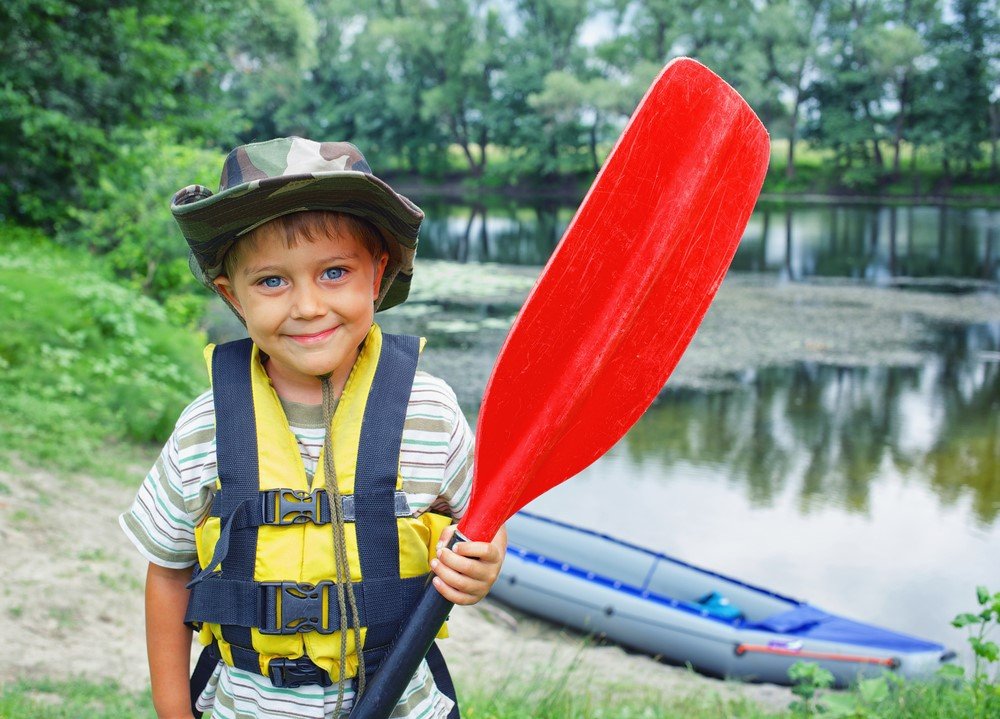
- Life jackets for children near any water body
- Purify or filter all backcountry water — giardia is real
🩹 First Aid Kit — Kid Additions
- Children’s Benadryl (liquid, not tablets) for allergic reactions
- Children’s pain reliever (ibuprofen + acetaminophen)
- Kid-size adhesive bandages in fun shapes — they’ll use more of them
- Blister pads (kids get hiking blisters fast)
- Fine-tipped tick removal tool
The Rainy Day Camping Contingency Plan for Families
The families who survive rainy camping trips are the ones who planned for them. Rain is a gear problem and a mindset problem. Solve both in advance and a wet weekend becomes your family’s best camping story instead of its worst.
Gear solutions: A quality rain tarp strung between trees creates a covered common area where you can actually sit, cook, and play card games while it rains. Kids’ rain suits (not just rain jackets — full suit with pants) mean they can play in puddles without soaking through. Waterproof boots complete the system. Budget $80–$150 for a quality family tarp setup; it’ll earn its place on the very first rainy day.
Activity solutions for 48 hours of rain:
- Card games and dice games — Uno, Sleeping Queens, a set of dice — pack them in a zip-lock so they survive the trip
- Campfire cooking projects — cooking in rain under a tarp is legitimately fun and gives kids a task. Dutch oven cobbler in a rainstorm is peak camping
- Puddle jumping and rain hike — counterintuitive but often the most memorable activity of the trip. Gear up and go
- Nature journaling — rain changes the sounds, smells, and appearance of a campsite entirely. It’s a genuinely different experience from dry-day hiking
The nuclear option: Find the nearest town with a movie theater, children’s museum, or indoor climbing gym. This is not failure — this is flexibility. Go, dry out, have a great afternoon, and return to camp for the campfire when the rain breaks.

🗒️ Printable Family Camping Packing Checklist
Shelter
Sleep System — Adults
Sleep System — Kids (age-appropriate)
Clothing — Adults
Clothing — Kids Ages 0–5
Clothing — Kids Ages 6–12
Kitchen
Food and Water
Safety and First Aid
Entertainment
Documents and Admin
Leave No Trace
Frequently Asked Questions About Family Camping

Brent Hillyer is a trusted outdoor writer, camping and hiking gear reviewer, and trail expert with 17+ years of hands-on experience. Since 2008, he has worked in the outdoor industry testing gear, exploring trails, and helping readers choose reliable equipment for camping, backpacking, and hiking adventures. At TheOutdoorChamp, Brent reviews camping gear using the same standards he applies in the field.


