

When I first encountered a frustratingly dull knife blade deep in the backcountry during an elk hunt, I realized something crucial: having the sharpest blade at camp means nothing if you can’t maintain that edge in the field.
After testing dozens of portable sharpeners over fifteen years of hunting and outdoor adventures, I’ve discovered that the Work Sharp Field Sharpener isn’t just another compact sharpening tool, it’s a complete blade maintenance system that actually delivers professional results in your backpack.
What Makes the Work Sharp Field Sharpener Different?
Here’s the thing about field sharpeners—most force you to guess at angles, leading to inconsistent bevels and ruined edges. The Work Sharp Guided Field Sharpener eliminates that guesswork entirely with built-in 20° and 25° angle guides that ensure precision sharpening every single time.
Think about it. You wouldn’t head into the woods without your essential hunting gear, right? Well, a reliable hunting knife sharpener deserves the same consideration. This compact tool weighs just 4.6 ounces but packs everything you need for complete blade maintenance—from aggressive edge repair to mirror-polished finishes.
The Complete Sharpening System in Your Pack
Unlike single-purpose sharpeners, the Work Sharp system includes:
- Coarse 220-grit diamond plate for fast edge repair and reprofiling
- Fine 600-grit diamond plate for refined sharpening
- Ceramic honing rod (fine grit) for edge refinement and maintenance
- Ceramic serration sharpener specifically designed for serrated blades
- Leather strop for final polishing and stropping
- Built-in angle guides at 20° and 25° for consistent bevels
- Broadhead wrench and lanyard hole for added utility
That’s not just versatility—it’s a complete mobile workshop for blade care. Whether you’re field dressing a deer or preparing kindling for your campfire, you’ve got the right tool for every sharpening task.
How to Use the Work Sharp Field Sharpener: Step-by-Step Guide
I’ll be straight with you—even with the angle guides, technique matters. Here’s how to get razor-sharp results every time.
Step 1: Assess Your Blade’s Condition
Before you start sharpening, run your thumb (carefully!) perpendicular to the edge. A dull blade feels rounded, while a sharp one has a distinct edge you can feel. This helps determine where to start in the sharpening process.
Step 2: Start with the Right Grit
For severely dulled or damaged blades:
- Begin with the coarse 220-grit diamond plate
- Use the appropriate angle guide (20° for most hunting knives, 25° for thicker blades)
- Make 5-10 sweeping passes per side with light, consistent pressure
- Always use edge-trailing strokes (pulling the knife away from the edge)
For maintaining sharp blades:
- Skip directly to the fine 600-grit diamond plate
- Use fewer passes (3-5 per side)
- Focus on consistency rather than pressure
Step 3: Hone with the Ceramic Rod
After diamond sharpening, you’ll have created a burr—that microscopic curl of steel on the opposite side of your edge. The ceramic honing rod removes this burr and refines the edge.
- Insert the rod into the appropriate angle guide
- Use alternating strokes, 3-5 passes per side
- Apply minimal pressure—let the ceramic do the work
- For serrated blades, use the rounded serration side of the ceramic rod
Step 4: Strop for a Razor Finish
This step separates merely sharp from scary sharp:
- Lay the knife edge on the leather strop at your chosen angle
- Pull the blade backwards (spine-first) across the leather
- Alternate sides, 8-10 passes per side
- No cutting motion—only pulling/dragging
Pro tip: You can add a tiny amount of stropping compound to the leather for even better results, though it’s not necessary in the field.
Watch this detailed tutorial: How To Use The Work Sharp Guided Field Sharpener – Video User’s Guide
Work Sharp Field Sharpener vs. Competitors: Real-World Comparison
I’ve tested this against pretty much every portable sharpener on the market. Here’s how it stacks up.
vs. Lansky Folding Sharpener
The Lansky is cheaper ($15-20) but offers only basic carbide and ceramic slots. There’s no angle control, no stropping capability, and honestly? The results are mediocre at best. If you just need a quick touch-up on a lightly dulled blade, it might work. For serious sharpening, it doesn’t compete.
vs. DMT Diafold
DMT makes excellent diamond sharpeners, and the Diafold ($30-40) is a solid choice. However, it lacks angle guides, stropping capability, and ceramic honing. You’re also limited to two grits. The Work Sharp offers more complete functionality for similar money.
vs. Smith’s Pocket Pal
At under $10, the Smith’s Pocket Pal is incredibly affordable. But you get what you pay for—inconsistent results, no fine tuning capability, and it’ll struggle with truly dull blades. It’s fine for emergency touch-ups but not for proper edge maintenance.
The Verdict
The Work Sharp Guided Field Sharpener sits in a sweet spot around $30-35, delivering professional-grade results that competing products can’t match at this price point. When you consider it replaces multiple separate tools, the value becomes even clearer.
Best Knives to Sharpen with the Work Sharp Field Sharpener
This versatile hunting knife sharpener handles virtually any blade you’d carry into the field:
Hunting Knives
The angle guides and diamond plates make short work of hunting blade maintenance. I’ve used it on everything from small caping knives to larger camp choppers. The 20° angle is perfect for most hunting applications, delivering that ideal balance between edge retention and cutting ability.
Recommended for:
- Fixed-blade hunting knives
- Skinning knives with curved bellies
- Tactical folding knives
- Bushcraft and survival blades
Everyday Carry (EDC) Pocket Knives
Whether you carry a traditional slip-joint or a modern assisted-opening folder, the Field Sharpener handles them beautifully. The compact size means it can sit right next to your EDC knife in your gear bag.
Serrated and Specialty Blades
Here’s where the ceramic rod really shines. The tapered design fits into gullets of varying sizes, and the dedicated serration side maintains proper tooth geometry. I’ve successfully sharpened:
- Rescue knives with partially serrated edges
- Bread knives (yeah, on camping trips)
- Multi-tool saw blades
- Even smaller assisted opening knives with mixed edges
Kitchen and Camp Knives
Don’t overlook this application. The Field Sharpener works brilliantly on camp kitchen knives, fillet knives, and even bushcraft blades. The 25° angle guide is perfect for thicker kitchen knives that see heavy use.
Watch how to get razor-sharp results: How to Sharpen ANY Knife RAZOR Sharp with Work Sharp Field Sharpener
What Knife Angles Should You Use?
This is where beginners often get confused, so let me break it down simply.
20° Angle (Most Common)
Use this for:
- Most hunting and outdoor knives
- Pocket knives and EDC blades
- Filleting knives
- General-purpose camp knives
- Bushcraft and survival knives
The 20° bevel offers excellent edge retention while maintaining good cutting performance. It’s the versatile “Goldilocks” angle—sharp enough for detailed work but robust enough for general tasks.
25° Angle (More Durability)
Use this for:
- Heavy-duty camp choppers
- Kitchen knives (especially thicker European-style)
- Tactical knives seeing hard use
- Blades used for prying or batoning (though you shouldn’t, but we all do it)
- Any knife requiring maximum edge durability
The slightly steeper angle creates a more obtuse edge that’s less prone to rolling or chipping. You sacrifice a bit of slicing performance for significantly better edge longevity.
Can’t Decide?
Start with 20°. You can always increase the angle later if you find the edge isn’t lasting through your typical tasks. Most modern tactical knives and hunting blades are designed around this angle anyway.
Key Features That Make This the Best Hunting Knife Sharpener
Diamond Abrasive Plates
The 220 and 600-grit diamond surfaces cut faster and last longer than traditional stones. Diamond doesn’t load up with metal particles like Arkansas stones, and it works on any blade steel—from basic stainless to modern super steels.
Built-In Angle Guides
These aren’t just suggestions—they’re precision-machined guides that physically maintain the correct angle throughout your sharpening stroke. No guesswork, no wobbly angles, no ruined edges. It’s like having training wheels that actually make you a better sharpener.
Ceramic Honing Rod
The fine ceramic provides that crucial intermediate step between aggressive sharpening and final polishing. It’s what transforms a merely sharp blade into a refined cutting edge that glides through material rather than tearing.
Leather Strop
Professional knife makers and butchers have used leather stropping for centuries because it works. The leather aligns the microscopic edge, removing any remaining burr and creating that hair-splitting sharpness.
Compact Design
At 4.6 ounces and roughly 5 inches long, this fits easily in any pack. I keep mine in an external pocket on my hunting backpack where it’s always accessible but never in the way.
Built to Last
Work Sharp backs this with a three-year warranty, and in my experience, these things are nearly indestructible. I’ve dropped mine, gotten it wet, used it in freezing temperatures—it just keeps working.
Common Mistakes When Using Field Sharpeners (And How to Avoid Them)
Mistake #1: Using Too Much Pressure
More pressure doesn’t equal faster sharpening. In fact, excessive pressure can:
- Overheat the edge (reducing hardness)
- Create an inconsistent bevel
- Wear out your diamond plates faster
- Actually remove less material effectively
Fix: Use light, consistent pressure. Let the diamond abrasive do the work. Think “firm but gentle”—about the same pressure you’d use to write with a pencil.
Mistake #2: Not Maintaining a Consistent Angle
Even with angle guides, you can deviate if you’re not paying attention to your hand position throughout the stroke.
Fix: Keep your wrist locked and move your entire arm as a unit. The guides should maintain contact with the blade throughout the entire stroke.
Mistake #3: Sharpening Too Often
Here’s a counterintuitive truth: over-sharpening wears out your knife faster than normal use. Every sharpening session removes steel from your blade.
Fix: Use the ceramic rod for touch-ups between serious sharpening sessions. You might only need the diamond plates every 5-10 times you maintain the edge.
Mistake #4: Skipping the Strop
Many people sharpen on the diamond plates and stop there, wondering why the edge isn’t as refined as they expected.
Fix: Always finish with stropping. It only takes 30 seconds and makes a dramatic difference in edge quality and longevity.
Mistake #5: Not Cleaning the Diamond Plates
Metal particles can embed in the diamond surface, reducing cutting efficiency over time.
Fix: After each use, wipe the diamond plates with a slightly damp cloth. Occasionally use a stiff brush to remove embedded particles.
Learn expert techniques: 5 Knife Sharpening Tips For Beginners
Real-World Performance: Field Testing Results
I’ve used the Work Sharp Field Sharpener in some demanding situations over the past three years. Here’s what I’ve learned.
Elk Processing, Wyoming Backcountry
After processing a bull elk (lots of cutting through hide, sinew, and meat), my hunting knife was noticeably dull. Using the coarse diamond followed by the fine and ceramic, I restored a shaving-sharp edge in about eight minutes—in the field, by headlamp light, with cold fingers. That’s impressive.
Week-Long Wilderness Camping
During a solo trip in the Bob Marshall Wilderness, I maintained my camp knife, bushcraft blade, and pocket knife throughout the week. The Field Sharpener handled daily touch-ups and one complete sharpening session mid-week. All three knives were sharper at the end of the trip than at the beginning.
Survival Skills Course
Teaching fire-starting and shelter-building meant constantly dulling and resharpening blades. The Field Sharpener handled dozens of sharpening sessions over a weekend without any performance degradation. Students with zero sharpening experience were getting good results within minutes.
Comparison with Home Sharpening Systems
Obviously, dedicated bench systems like the Work Sharp Precision Adjust or high-end guided systems produce slightly superior edges. But we’re talking about differences you’d need specialized equipment to measure. For field use? The results are indistinguishable.
Where to Buy the Work Sharp Field Sharpener (Best Prices)
You can find the Work Sharp Guided Field Sharpener at several retailers:
- Amazon – Usually $30-35, often with Prime shipping. This is where I’d recommend purchasing for convenience and customer service.
- Direct from Work Sharp – Occasionally offers bundle deals or accessories packages
- Blade HQ – Excellent for knife enthusiasts, often includes expert tips and support
- Major outdoor retailers (REI, Bass Pro, Cabela’s) – Good if you want to see it in person first
Pro tip: Watch for seasonal sales around hunting season (September-October) and holidays when prices often drop to $25-28.
Work Sharp Field Sharpener Specifications
| Feature | Specification |
|---|---|
| Weight | 4.6 oz (130g) |
| Dimensions | Approximately 5″ x 2.5″ x 1″ |
| Angle Guides | 20° and 25° |
| Diamond Grits | 220 (coarse), 600 (fine) |
| Included Components | 2 diamond plates, ceramic rod, leather strop, angle guides |
| Warranty | 3 years |
| Best For | Hunting knives, EDC, camp knives, serrated blades |
| Made In | Designed in Oregon, USA |
| Price Range | $30-40 USD |
Frequently Asked Questions About the Work Sharp Field Sharpener
How often should I sharpen my hunting knife with this?
It depends on use, but as a general guideline:
- Touch-ups (ceramic rod only): After each hunting day or significant use
- Complete sharpening (diamond plates through strop): Every 3-5 uses, or when ceramic rod alone won’t restore the edge
- Coarse diamond: Only when the edge is damaged or significantly dulled
Can this sharpen serrated blades?
Absolutely. The ceramic rod has a rounded edge specifically designed for serration sharpening. It works surprisingly well on partially serrated rescue knives and fully serrated utility blades.
Will this work on kitchen knives?
Yes! The 25° angle guide is perfect for most kitchen knives, especially thicker European-style chef’s knives. It’s not ideal for maintaining traditional Japanese knives (which typically use 15° angles), but it works for most Western kitchen cutlery.
How long does the diamond coating last?
With proper care (cleaning after use, reasonable pressure), the diamond plates should last for hundreds of sharpening sessions. I’m three years and probably 200+ uses into mine with no noticeable degradation.
Can beginners use this effectively?
This is one of the most beginner-friendly sharpeners I’ve tested. The angle guides remove the most difficult part of sharpening—maintaining consistent angles. If you can follow the simple step-by-step process, you’ll get good results from day one.
Does it work on expensive knife steels?
Yes. Diamond abrasive cuts through any steel, including modern super steels like S30V, M390, CPM-20CV, and even ultra-hard steels that traditional stones struggle with. This makes it excellent for high-end tactical folders and premium hunting knives.
What’s the difference between the standard and Elite versions?
The Elite version includes additional fine ceramic stones and a protective case. For most users, the standard version offers everything you need. I actually prefer the standard’s compact size for pack carrying.
Additional Tips for Field Knife Sharpening Success
Optimize Your Sharpening Setup
Even in the field, your sharpening environment matters:
- Stable surface: Find a flat rock, use your camping table, or create a stable work area
- Good lighting: Position yourself to maximize available light, or use your headlamp if working after dark
- Clean blade: Wipe your knife clean before sharpening—blood, sap, and dirt interfere with the process
Know When to Stop
Over-sharpening is real. Once you can shave arm hair or cleanly slice paper, you’re done. Continuing past this point just removes steel unnecessarily.
Match Your Edge to Your Task
Not every knife needs a 20° razor edge:
- Skinning and processing: 20° provides excellent control and slicing
- Batoning and chopping: 25° survives abuse better
- Detail work: 20° with extended stropping for maximum refinement
Maintain Your Sharpener
The Field Sharpener is low-maintenance, but a few simple practices extend its life:
- Wipe diamond plates after each use
- Store in a dry location (obvious, but moisture can damage the leather strop)
- Occasionally apply a light coat of honing oil to the leather strop
- Keep the ceramic rod clean—embedded metal particles reduce effectiveness
Accessories and Upgrades for Your Work Sharp System
Replacement Leather Strop
After extensive use (we’re talking years), the leather strop may wear out. Work Sharp sells replacements that fit both the Field Sharpener and their Precision Adjust systems.
Protective Case
While not essential, a dedicated case protects your sharpener and keeps all components organized. Some users DIY this with a small hard-shell pouch or Pelican micro case.
Stropping Compound
Though not necessary, adding fine stropping compound (green chromium oxide or white aluminum oxide) to the leather creates an even finer polished edge. This is optional but appreciated by knife enthusiasts chasing maximum sharpness.
Additional Ceramic Rods
If your ceramic rod breaks (rare but possible), replacements are available directly from Work Sharp.
The Bottom Line: Is the Work Sharp Field Sharpener Worth It?
After three years and countless sharpening sessions across diverse conditions and blade types, my answer is an unqualified yes. The Work Sharp Guided Field Sharpener represents the sweet spot in portable sharpening—compact enough for backcountry carry, versatile enough to handle any blade, and precise enough to deliver professional results.
At $30-35, it costs more than basic pull-through sharpeners but delivers exponentially better results. It costs less than guided bench systems while providing 90% of their performance in a field-portable package. That’s compelling value.
Who Should Buy This?
- Hunters who need reliable field sharpening for game processing
- Backpackers wanting to maintain camp knives during extended trips
- Tactical professionals requiring compact, effective blade maintenance
- EDC enthusiasts who carry quality knives daily
- Beginners learning proper sharpening techniques with guided assistance
- Anyone who values sharp tools and compact gear
Who Might Choose Differently?
- Ultra-minimalists willing to sacrifice performance for slightly smaller pocket sharpeners
- Professional butchers or chefs who need bench-mounted systems for volume sharpening
- Traditional sharpeners who prefer freehand stone techniques (though they’re probably not reading this anyway)
Your Next Steps
If you’re tired of struggling with dull blades in the field, dealing with guesswork-heavy sharpening methods, or carrying multiple sharpening tools to cover all your needs, the Work Sharp Guided Field Sharpener solves all three problems.
Order yours today, watch the tutorial videos, and practice at home before your next outdoor adventure. You’ll wonder how you ever managed without precision angle guides and a complete sharpening system in your pack.
Your knives—and your outdoor experience—deserve better than dull blades and frustrating sharpening sessions. Make the upgrade. Your future self, halfway through field-dressing a deer with a perfectly sharp blade, will thank you.
Ready to buy? Get the best price here: Work Sharp Guided Field Sharpener on Amazon
Related Articles
- Best Knife Sharpener Reviews: Complete Guide to Sharp Blades
- Best Hunting Knife: Top Picks for Field Dressing and Survival
- Best Tactical Knife: Combat-Ready Blades for Every Mission
- Best Skinning Knife Reviews: Perfect Tools for Game Processing
- Best Bushcraft Knife: Essential Tools for Wilderness Survival
- Essential Hunting Gear: Complete Checklist for Success
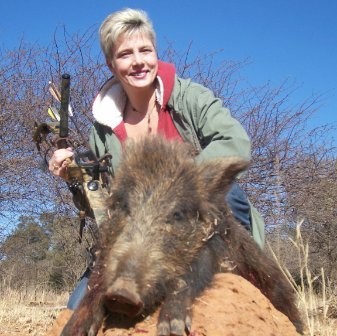
Charmaine van Vuuren is a seasoned professional hunter and safari guide with over 15 years of experience leading big‑game and wilderness expeditions across Southern Africa.
Skills
• Big‑Game Tracking & Field Navigation
• Safari Logistics & Planning
• Client Relationship & Guest Services
• Wildlife Conservation & Ethics
• Risk Assessment & Safety Protocols