
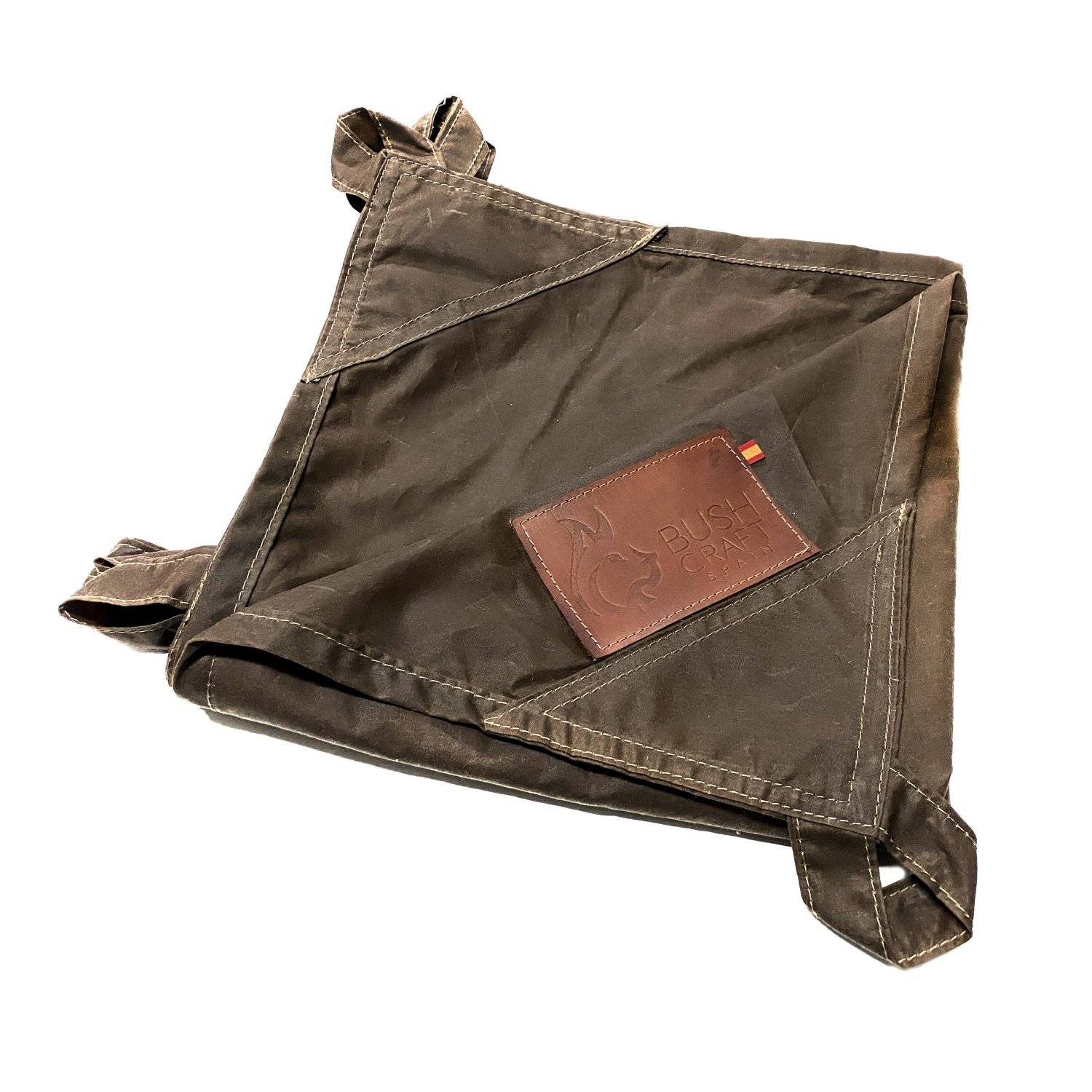
When I first stumbled across historical bushcraft literature, I never imagined that a 2×2.5 meter piece of waxed canvas could revolutionize my entire approach to wilderness camping. But after spending countless nights under the Bushcraft Spain Nessmuk Tarp—named after the legendary George Washington Sears—I realized this isn’t just another tarp. It’s a masterclass in minimalist outdoor philosophy wrapped in oilskin.
If you’ve been hunting for authentic bushcraft gear that honors traditional woodcraft while delivering modern reliability, you’re about to discover why this handcrafted Spanish tarp has become the gold standard among serious wilderness enthusiasts worldwide.
What Is the Nessmuk Tarp? Understanding Its Historical Legacy
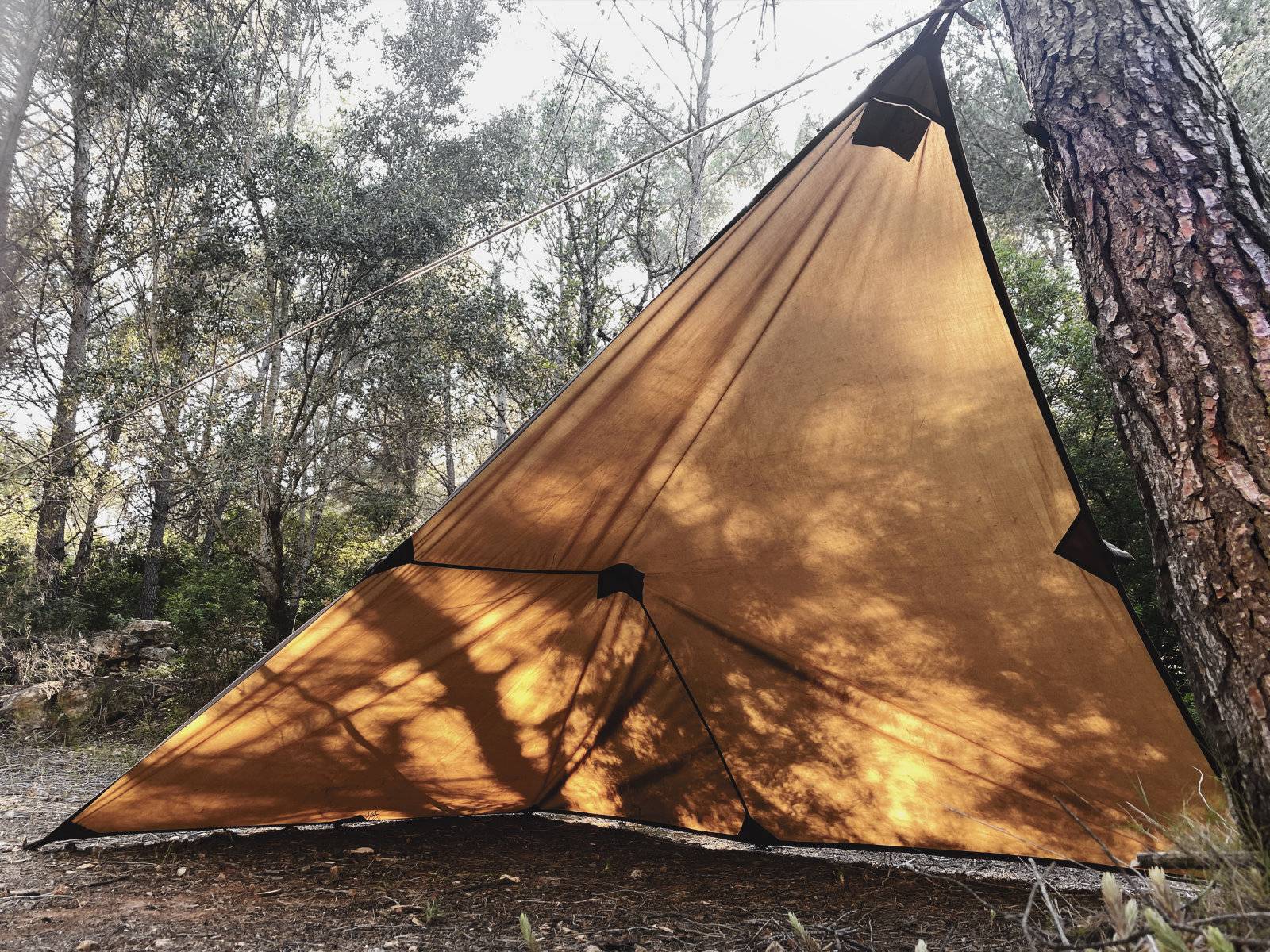
The Genuine Nessmuk Oilskin Tarp isn’t some trendy camping accessory—it’s a faithful recreation of the “Shelter-Cloth” used by George Washington Sears (pen name: Nessmuk) during his legendary 1860s expeditions through the Adirondacks. Weighing just 103 pounds and standing 5’3″, Nessmuk proved that wilderness mastery isn’t about brute force—it’s about intelligent gear selection.
In his seminal 1884 book Woodcraft and Camping, Nessmuk described his essential shelter:
“A soft, warm blanket-bag, open at the ends, and just long enough to cover the sleeper, with an oblong square of water-proofed cotton cloth 6×8 feet, will give warmth and shelter by night and will weigh together five or six pounds.”
Bushcraft Spain took this historical specification and adapted it for modern adventurers. The result? A 2.5×2m (8’2″×6’7″) handcrafted oilskin tarp that weighs approximately 2kg (4.4lb)—staying true to Nessmuk’s original weight and philosophy while accommodating today’s taller campers.
Learn more about essential wilderness skills: How to Make a Fire | Best Bushcraft Knife
Key Features & Technical Specifications
Material Construction: 100% Long-Staple Cotton Canvas
The Nessmuk Tarp is manufactured from premium long-staple cotton canvas—not your cheap hardware store variety. Here’s what makes this material exceptional:
- Oil & Wax Treatment: Each tarp receives a hand-applied coating of traditional oil and wax, creating a water-resistant barrier that causes rain to bead and slide off
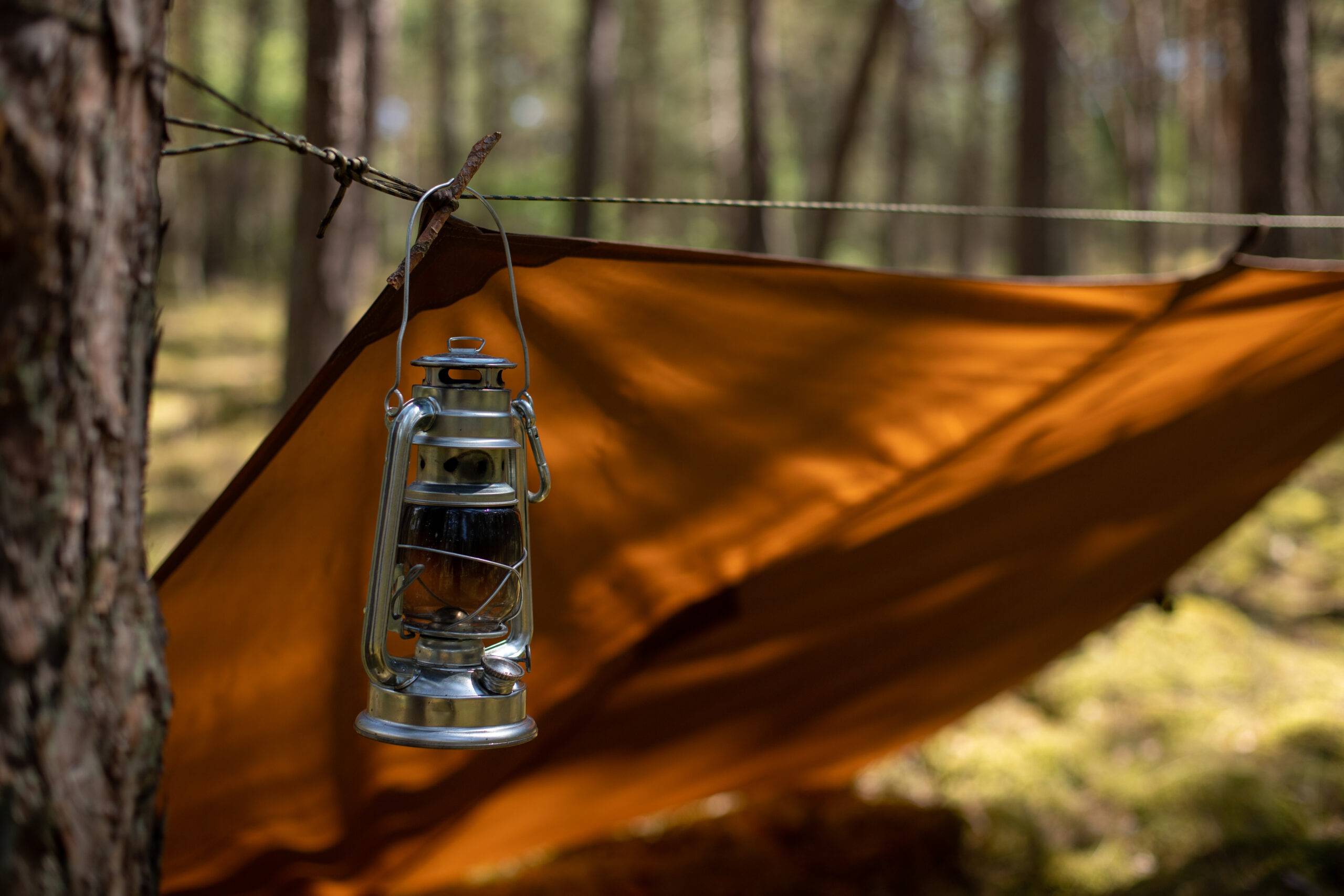
- Breathability: Unlike synthetic tarps that trap condensation, cotton canvas breathes naturally, reducing moisture buildup inside your shelter
- Fire Resistance: The dense weave can withstand casual fire embers (though you’ll still want to be cautious around open flames)
- UV Protection: The thick canvas provides genuine sun protection, unlike paper-thin nylon alternatives
Dimensions & Weight
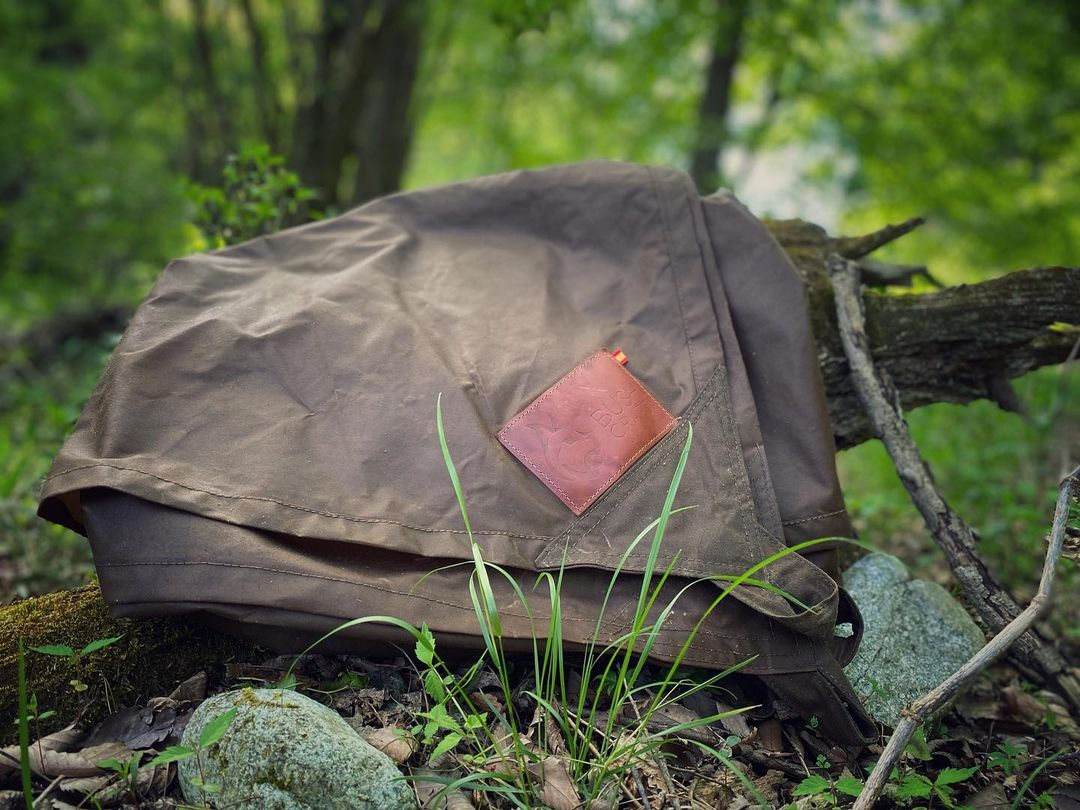
- Size: 2.5m × 2m (8’2″ × 6’7″)
- Weight: ~2kg (4.4lb)
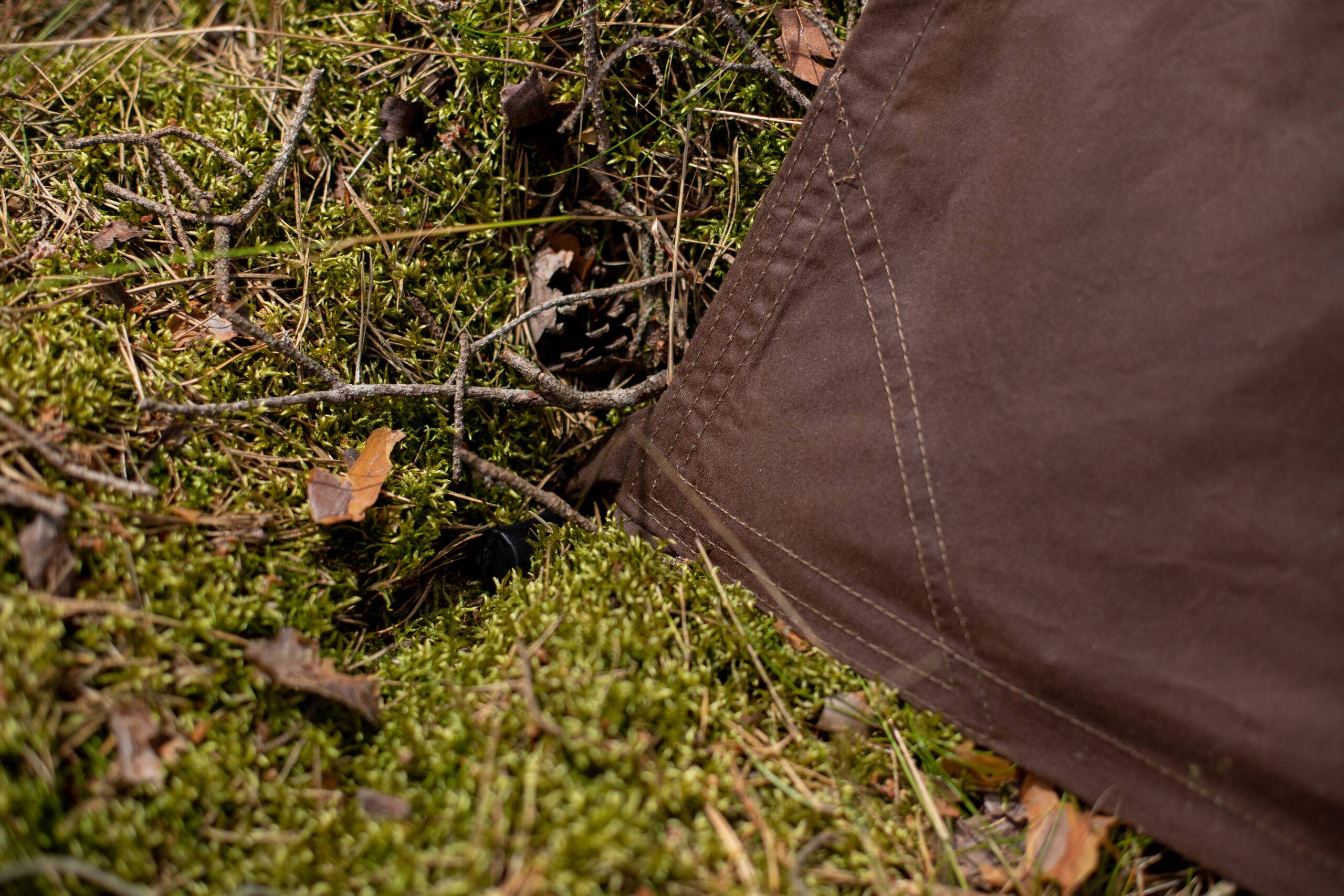
- Color: Mountain Brown (natural earth tone that blends with forest surroundings)
- Attachment Points: 19 heavy-duty reinforced loops strategically positioned on all four sides and center seam
Attachment Point Configuration
This is where the Nessmuk Tarp truly shines. With 19 reinforced grommets, you’ve got unprecedented flexibility:
- Corner loops for traditional A-frame setups
- Mid-point loops on each side for diamond configurations
- Center seam loop for lifting and creating ridge-line shelters
- Multiple edge loops for partial closures and asymmetric setups
Related gear: Best Trekking Poles | Best Camping Pillows
Why Choose Oilskin Over Modern Synthetics?
You might be thinking: “Why would I carry 4.4 pounds of canvas when ultralight silnylon tarps weigh 8 ounces?”
Fair question. Here’s why experienced bushcrafters consistently choose oilskin:
1. Durability That Lasts Decades
Synthetic tarps degrade under UV exposure within 2-3 years. The Nessmuk Tarp? With proper care, you’re looking at 20+ years of reliable service. I’ve met bushcrafters still using their Bushcraft Spain tarps after 8 years of hard seasonal use.
2. Silent Operation
Ever tried setting up a silnylon tarp in wind? It sounds like you’re wrestling a plastic garbage bag. Oilskin canvas is virtually silent—crucial for wildlife observation, stealth camping, or just maintaining your sanity.
3. Natural Insulation
Cotton canvas provides genuine thermal mass. During cold nights, it helps retain radiant heat from your fire. In summer, it blocks scorching sun more effectively than thin synthetics.
4. Repairable in the Field
Rip a synthetic tarp? You’re taping it with duct tape and praying. Damage canvas? A basic sewing kit or even sturdy thread and a needle will get you back in business.
5. Environmental Consciousness
When this tarp finally reaches end-of-life (decades from now), it biodegrades naturally. Synthetic tarps? They’ll be microplastics polluting ecosystems for centuries.
How to Set Up the Nessmuk Tarp: 7 Proven Configurations
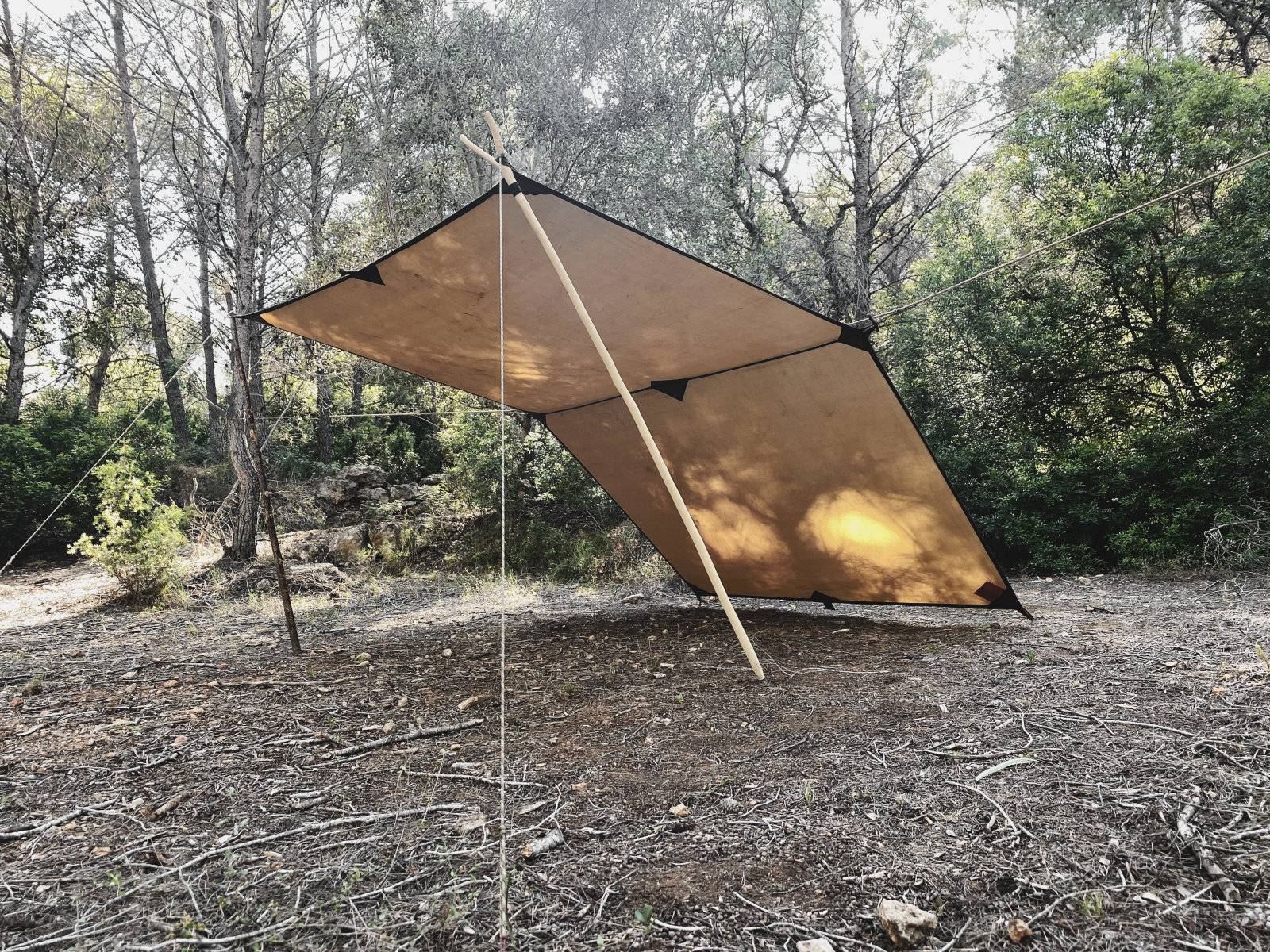
The beauty of the Nessmuk’s 19 attachment points is versatility. Here are the most practical shelter configurations for different weather conditions:
1. Classic A-Frame (Best for Heavy Rain)
The go-to setup for maximum weather protection:
- Stretch a ridge-line between two trees at chest height
- Drape tarp over ridge-line evenly
- Stake out all four corners at 45-degree angles
- Use additional loops to create sidewall closures
Protection Level: 9/10 | Setup Time: 3-5 minutes
2. Lean-To Shelter (Best for Cooking)
Perfect when you want open-front access to your fire:
- Attach one long edge to a horizontal ridge-line
- Stake opposite edge to ground at 45-degree angle
- Leave ends open or close with trekking poles
Protection Level: 6/10 | Setup Time: 2 minutes
3. Diamond Fly (Best for Wind)
Low-profile configuration for exposed ridges:
- Orient tarp diamond-wise
- Stake one corner as windward entrance
- Pull opposite corner tight and stake
- Lower profile reduces wind resistance
Protection Level: 7/10 | Setup Time: 4 minutes
4. Plow Point (Best for Solo Cold Weather)
Nessmuk’s original configuration—asymmetric and heat-efficient:
- Create a diagonal ridge-line
- One end high, one end low
- Forms triangular shelter perfect for reflecting fire heat
- Close one end completely for thermal efficiency
Protection Level: 8/10 | Setup Time: 5 minutes
5. Forester’s Tent (Best All-Around)
My personal favorite for extended trips:
- Use two trekking poles or vertical sticks at front
- Create peaked entrance for headroom
- Stake rear low to ground
- Provides genuine tent-like protection with excellent livability
Protection Level: 9/10 | Setup Time: 6-7 minutes
Watch this video for visual setup instructions:
NESSMUK TARP BUSHCRAFT SPAIN – Setup Review
Bushcraft Spain’s Nessmuk Waxed Tarp – Detailed Review
Solo Day Camping With Oilskin NESSMUK Tarp
Essential shelter knowledge: 8 Things You Should Bring If Camping During the Winter
Real-World Performance: 4-Month Field Test Results
I’ve put this tarp through its paces across four distinct seasons. Here’s what you need to know:
Waterproofing: 9/10
The Good: During a three-day October rainstorm in the Pacific Northwest (constant 40mph winds, 3+ inches of rain), not a single drop penetrated the fabric. Water beaded beautifully and ran off clean.
The Reality: After 50+ nights, high-traffic areas (where the tarp folds during packing) showed minor water absorption. A quick re-waxing with beeswax or commercial oilskin dressing restored full waterproofing.
Durability: 10/10
Zero tears, no failed grommets, no delamination. I deliberately set it up over abrasive granite and dragged it through brambles—the canvas laughed it off. The reinforced loops are genuinely bombproof.
Weight Consideration: 7/10
Let’s be honest—4.4 pounds isn’t ultralight. For weekend minimalist trips where every ounce matters, this isn’t your tarp. But for bushcraft adventures, canoe camping, or base camp setups? The weight is absolutely justified by the benefits.
Packability: 6/10
The oilskin coating makes the tarp somewhat stiff when new. It doesn’t compress like silnylon. However, after 10-15 uses, it breaks in nicely and rolls more compactly. Pro tip: Store it loosely rolled, not compressed in a stuff sack.
Prepare for your adventure: Camping Checklist | Camping Food Ideas
Maintenance & Care: How to Make Your Tarp Last Decades
Proper maintenance is the difference between a 5-year tarp and a 25-year family heirloom. Here’s the complete care protocol:
Cleaning (After Every 5-10 Uses)
- Dry Brush First: Use a stiff-bristled brush to remove dried mud, pine needles, and debris
- Cold Water Rinse: Hang the tarp and hose it down with cold water (never hot—it can affect the wax coating)
- Spot Clean Stubborn Stains: Use mild soap on specific areas only; avoid soaking the entire tarp
- Air Dry Completely: Hang in a shaded, well-ventilated area until 100% dry (critical for preventing mildew)
Re-Waxing (Annually or When Water Stops Beading)
You’ll know it’s time when water no longer beads but instead starts absorbing:
- Clean the tarp thoroughly and let it dry completely
- Choose your wax: Bushcraft Spain sells proprietary oilskin dressing, or use beeswax melted with linseed oil (80:20 ratio)
- Apply in warm conditions—sunlight helps the wax penetrate
- Rub wax into high-wear areas (fold lines, grommets, center)
- Let cure for 24 hours before packing
Full maintenance guide from Bushcraft Spain: Oilskin Care Instructions
Storage
- Never: Store compressed in a stuff sack long-term
- Never: Store wet (mildew will destroy the canvas)
- Always: Store loosely rolled or flat in a cool, dry place
- Always: Allow air circulation (don’t seal in plastic containers)
Emergency gear prep: 15 Items You Should Include in Your Car Emergency Kit
Nessmuk Tarp vs. Competition: How Does It Stack Up?
| Feature | Nessmuk Tarp | AquaQuest Defender | DD Hammocks Tarp | Silnylon Generic |
|---|---|---|---|---|
| Material | Oilskin Canvas | Nylon | Polyester | Silicone Nylon |
| Weight | 2kg (4.4lb) | 1.4kg (3.1lb) | 1.8kg (4lb) | 0.35kg (12oz) |
| Waterproof | Excellent | Excellent | Very Good | Good |
| Durability | 20+ years | 5-7 years | 8-10 years | 2-3 years |
| Fire Resistance | Good | Poor | Fair | Poor |
| Noise Level | Silent | Moderate | Moderate | Very Loud |
| Price | $139-180 | $89 | $120 | $45 |
| Best For | Bushcraft/Traditional | General Camping | Hammock Camping | Ultralight Backpacking |
Bottom Line: If you value longevity, traditional aesthetics, and bushcraft authenticity, the Nessmuk Tarp wins. If you’re chasing the lightest possible pack weight, synthetics are your game.
Gear comparison: Best Combat Knife | Best Tactical Knife
Pricing & Where to Buy
The Genuine Nessmuk Oilskin Tarp is available directly from Bushcraft Spain and select retailers:
Standard Configurations:
- Tarp Only: $139 USD
- With Storage Bag: $149 USD
- Basic Camp Kit (includes Nessmuk Tarp + ground cloth + stakes): $219 USD
- Premium Camp Kit (includes Nessmuk Tarp + wool blanket + accessories): $329 USD
- Bedroll Camp Kit (complete historical setup): $389 USD
Where to Buy:
- Direct: Bushcraft Spain Official Store
- Etsy: Bushcraft Spain Etsy Shop (often includes international shipping discounts)
- Specialty Retailers: Self Reliance Outfitters, Mökkimies (Europe), CecinaOutdoor (Italy)
Is It Worth the Investment?
At $139-$180, the Nessmuk Tarp isn’t cheap. But when you calculate cost-per-use over 20+ years, you’re looking at pennies per night. Compare that to replacing a $60 synthetic tarp every 3 years—the math strongly favors quality.
Budget-friendly alternatives: Vont Ultimate Survival Kit
Who Should Buy the Nessmuk Tarp?
✅ Perfect For:
- Traditional Bushcrafters: If you appreciate historical woodcraft and want authentic gear
- Long-Term Campers: Extended expeditions where weight isn’t the primary concern
- Fire-Side Sleepers: Those who cook and heat near their shelter
- Heirloom Collectors: Gear that can be passed down to children/grandchildren
- Canoe/Kayak Campers: Where portage weight matters less than durability
- Re-Enactors & Living Historians: Perfect for period-accurate camps
❌ Skip If:
- Ultralight Thru-Hikers: Every ounce matters on 2,000+ mile treks
- Fair-Weather Weekend Warriors: Casual campers who prioritize convenience
- Budget-Conscious Beginners: Start with cheaper options while learning
- Minimalist Backpackers: If your entire pack is under 10 pounds, this won’t fit your system
Beginner gear: Essentials for Backpacking
Nessmuk Tarp + Fire: Safety Configuration Tips
One of the Nessmuk Tarp’s strongest selling points is its compatibility with fire-based camping. Here’s how to do it safely:
Safe Distance Guidelines:
- Open Cooking Fires: Minimum 8 feet from tarp edge
- Reflector Fires: 6 feet minimum (use Plow Point configuration)
- Elevated Fire Rings: 10+ feet (sparks travel unpredictably)
Fire-Resistant Setup Protocol:
- Clear Ground: Remove all combustible material beneath your tarp footprint
- Elevate Fire Side: Pitch the fire-facing edge higher to create spark deflection
- Wind Direction: Always setup with tarp downwind of fire
- Water Access: Keep 2+ gallons of water immediately accessible
- Spark Arrestor: Create a rock barrier between fire and shelter
Fire safety essentials: Best Survival Fire Starter
Emergency Repair in the Field
Canvas burns can be patched:
- Cut away charred material
- Apply tent repair tape or Tenacious Tape
- Sew canvas patch over hole when back at base camp
- Re-wax entire patched area
Survival skills: Best Wilderness Camping Gear and Survival Tips
Frequently Asked Questions
How waterproof is the Nessmuk Tarp?
With proper maintenance, the oilskin treatment provides excellent waterproofing (20,000mm+ rating equivalent). Water beads and rolls off effectively. Re-wax annually for optimal performance.
Can I wash the Nessmuk Tarp in a washing machine?
No. Machine washing will strip the oilskin coating and potentially damage the canvas. Hand-clean with cold water and a stiff brush only.
Does the tarp smell like oil or wax?
Initially, yes—there’s a pleasant natural canvas/wax scent. This fades after the first few uses and airing out. Many bushcrafters actually enjoy the authentic smell.
What size tarp do I need for solo vs. duo camping?
The standard 2.5×2m Nessmuk Tarp is ideal for solo camping. For two people, consider Bushcraft Spain’s larger 3×3m oilskin tarp (available on their website).
How long does the oilskin coating last?
With typical recreational use (15-25 nights per year), expect 12-18 months before first re-waxing is needed. High-intensity users may need annual treatment.
Is the Nessmuk Tarp suitable for desert camping?
Absolutely. The canvas provides superior UV protection and thermal regulation compared to synthetics. Just ensure adequate staking—canvas catches wind more than lightweight fabrics.
Can I use the tarp as a ground cloth?
Technically yes, but it’s not ideal—the oil/wax coating can transfer to sleeping bags. Bushcraft Spain offers dedicated ground cloths designed for this purpose. Better to invest in a proper sleeping pad.
What’s the difference between the Nessmuk and other Bushcraft Spain tarps?
The Nessmuk follows historical specifications (2.5×2m, 9 original loops now enhanced to 19). Other Bushcraft Spain tarps come in larger sizes (3×3m, 10×10ft) with different grommet patterns for various needs.
More outdoor wisdom: Best Handheld GPS Navigators
The Bottom Line: Is the Nessmuk Tarp Right for You?
After four months and 60+ nights under the Bushcraft Spain Nessmuk Tarp, I can confidently say this isn’t just camping gear—it’s a philosophy made tangible. When you unfold this hand-waxed canvas under ancient pines, you’re not just setting up shelter. You’re connecting with George Washington Sears’ 1860s Adirondack adventures, honoring the minimalist traditions that defined American bushcraft.
The Nessmuk Tarp delivers if you value:
- Durability over disposability
- Authenticity over marketing hype
- Silence over synthetic rustling
- Heritage over fleeting trends
Yes, it’s heavier than ultralight alternatives. Yes, it requires maintenance. But here’s what I’ve learned: the weight becomes invisible when you’re sitting by your fire, listening to rain drum peacefully on weather-tested canvas that’ll outlast your boots, your pack, and probably your tent.
This tarp asks you to slow down, to learn proper knots, to understand weather patterns, to become competent rather than dependent on zippers and proprietary poles. That’s exactly why it’s earned a permanent place in my kit.
Price: $139-180 USD
Rating: 4.8/5 stars
Recommendation: Highly recommended for traditional bushcrafters and serious outdoor enthusiasts
Get yours: Bushcraft Spain Official Store
Complete Your Bushcraft Setup
The Nessmuk Tarp is just one piece of a comprehensive wilderness kit. Explore these complementary guides:
Shelter & Sleep System:
- Best Tent Heater for Cold Weather Camping
- Best Heated Socks for Winter Adventures
- Dutch Oven Cooking for Bushcraft
Navigation & Safety:
- Best Compasses for Wilderness Navigation
- Best Bug Out Bags
- Best Ham Radios for Emergency Communication
Extended Expedition Planning:
- How to Plan a Safe, Fun and Affordable Camping Trip
- Best Hiking Boots for Rugged Terrain
- Best Cold Weather Hunting Boots
More adventure inspiration:
Final Thoughts: Honoring Nessmuk’s Legacy
George Washington Sears wrote in 1884: “Go light; the lighter the better, so that you have the simplest material for health, comfort and enjoyment.”
The Bushcraft Spain Nessmuk Tarp embodies this wisdom perfectly. It’s not about accumulating gear—it’s about mastering the fundamentals with quality tools that enhance rather than complicate your wilderness experience.
When you purchase this tarp, you’re not just buying shelter. You’re investing in a craft, joining a lineage of outdoor practitioners who understand that the best gear doesn’t shout for attention—it quietly serves, year after year, mile after mile.
Now get out there. The woods are waiting, and you’ve got the shelter-cloth to meet them properly.
Happy trails, and may your fires burn bright.
Have experience with the Nessmuk Tarp or questions about oilskin gear? Share your thoughts below—the outdoor community thrives on shared knowledge.
Related Video Resources:
- Checking Out Bushcraft Spain 3×3 Oil Skin Tarp
- Oil Skin Tarp Review / Bushcraft Spain 3×3
- Traditional Canvas Plough Point Tarp Setup
Charmaine van Vuuren is a seasoned professional hunter and safari guide turned outdoor gear expert, with over 15 years of experience leading big-game expeditions and wilderness adventures across Southern Africa. That same field-tested expertise now drives every review on TheOutdoorChamp — from hunting gear and survival tools to camping equipment, fishing tackle, and boating accessories. When she recommends a product, it’s because she’s used it in conditions where failure isn’t an option.